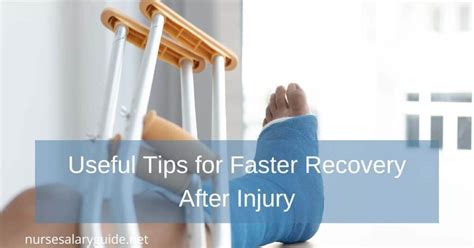
Ankle injuries are among the most common types of injuries, affecting people from all walks of life, whether they are professional athletes or simply individuals who enjoy staying active. The recovery process from an ankle injury can be challenging, both physically and mentally, but with the right approach, it’s possible to speed up the healing process and get back on your feet sooner. Here are eight expert-recommended therapy tips designed to facilitate a faster and more effective recovery from ankle injuries.
1. Rest, Ice, Compression, and Elevation (RICE)
The RICE method is the first line of defense against ankle injuries. Resting the injured ankle allows the healing process to begin without further strain. Icing the area reduces pain and swelling by constricting blood vessels and reducing metabolic rate, which helps in minimizing tissue damage. Compression, typically through an elastic bandage, helps to reduce and prevent swelling. Finally, elevation of the injured ankle above the level of the heart assists in reducing swelling by facilitating the return of blood to the heart. Following the RICE principle closely in the initial 48 to 72 hours after the injury can significantly impact the speed and effectiveness of the recovery.
2. Physical Therapy
Physical therapy is crucial for regaining strength, mobility, and range of motion in the ankle. A professional physical therapist can design a personalized rehabilitation program that includes exercises tailored to the individual’s specific injury and needs. This might include strengthening exercises for the muscles around the ankle, flexibility exercises to improve range of motion, and balance exercises to prevent future injuries. Early intervention with physical therapy can also help in preventing chronic ankle instability.
3. Ankle Strengthening Exercises
Strengthening the muscles around the ankle is vital for supporting the joint and preventing future injuries. Exercises such as ankle circles (both clockwise and counterclockwise), toe raises, and heel raises can be very effective. Additionally, resistance band exercises can provide a gentle yet effective way to strengthen the ankle without putting too much strain on it. It’s essential to start with low-intensity exercises and gradually increase the difficulty as the ankle heals and strengthens.
4. Balance and Proprioception Training
Balance and proprioception (the sense of the relative position of one’s own parts of the body) training are critical components of ankle injury rehabilitation. Activities that challenge balance, such as single-leg standing or using a BOSU ball, can help improve proprioception and reduce the risk of future ankle sprains. These exercises should be introduced gradually and under the supervision of a healthcare professional to avoid exacerbating the injury.
5. Pain Management
Proper pain management is essential for comfortable and effective rehabilitation. Over-the-counter pain relievers such as ibuprofen or acetaminophen can help manage pain and reduce inflammation. However, it’s crucial to follow the recommended dosage and consult with a healthcare provider before starting any medication, especially if you have any pre-existing medical conditions or take other medications.
6. Orthotics and Supportive Devices
In some cases, using orthotics or supportive devices such as ankle braces or stirrups can provide additional stability and protection to the injured ankle, especially during the initial stages of recovery or when returning to physical activities. These devices can help prevent excessive movement and reduce the risk of further injury, allowing the ankle to heal in a stable environment.
7. Nutrition and Lifestyle Adjustments
Adequate nutrition and certain lifestyle adjustments can also play a significant role in the healing process. Consuming a diet rich in nutrients that promote healing, such as vitamin C, zinc, and protein, can support the repair of damaged tissues. Additionally, staying hydrated is crucial for maintaining healthy tissues and facilitating the healing process. Avoiding smoking and reducing alcohol consumption can also positively impact the recovery, as both smoking and excessive alcohol consumption can impede the healing process.
8. Gradual Return to Activity
Finally, when returning to physical activities, it’s essential to do so gradually. Rushing back into full activity can lead to re-injury, which not only prolongs recovery but can also lead to chronic issues. Starting with low-impact activities and gradually increasing intensity and duration under the guidance of a healthcare professional can help ensure a safe and successful return to full activity.
How long does it typically take to recover from an ankle injury?
+The recovery time from an ankle injury can vary significantly depending on the severity of the injury. Mild ankle sprains may heal within a few weeks, while more severe injuries could take several months to fully recover from. It's also important to note that everyone's healing process is different, and factors such as age, overall health, and adherence to rehabilitation programs can influence recovery time.
Can I still exercise if I have an ankle injury?
+Yes, but it's crucial to modify your exercise routine to avoid putting strain on the injured ankle. Low-impact activities such as swimming, cycling, or using an upper body ergometer can be great alternatives. However, it's essential to consult with a healthcare professional or physical therapist to determine the safest and most beneficial exercises for your specific condition.
How can I prevent ankle injuries in the future?
+Preventing ankle injuries involves a combination of strengthening the ankle muscles, improving balance and proprioception, wearing appropriate footwear, and using protective gear when necessary. Regular stretching and warm-up routines before physical activities can also help prevent injuries. Additionally, being mindful of your environment and avoiding risky maneuvers can reduce the risk of ankle injuries.
In conclusion, recovering from an ankle injury requires a comprehensive approach that includes rest, therapy, strengthening exercises, and gradual return to activity. By following these tips and consulting with healthcare professionals, individuals can facilitate a faster and more effective recovery, reducing the risk of future injuries and getting back to their normal activities as soon as possible. Remember, patience and adherence to a well-structured rehabilitation plan are key to a successful recovery.