The Achilles tendon, a vital component of the musculoskeletal system, plays a crucial role in facilitating movement and supporting the body’s weight. Located at the back of the ankle, this tendon connects the calf muscles to the heel bone, enabling actions such as walking, running, and jumping. However, due to its high stress and load-bearing nature, the Achilles tendon is prone to injuries, particularly tears and ruptures. When such injuries occur, Achilles tendon repair becomes necessary to restore function, alleviate pain, and prevent further complications.
Understanding Achilles Tendon Injuries
Achilles tendon injuries can range from mild to severe and are often classified based on their severity. Mild injuries may involve minor strains or micro-tears, which can be treated conservatively with rest, ice, compression, and elevation (RICE), along with physical therapy. However, more severe injuries, such as complete ruptures, require immediate medical attention and often surgical intervention. The decision to operate depends on various factors, including the severity of the injury, the patient’s overall health, and their activity level.
Surgical Techniques for Achilles Tendon Repair
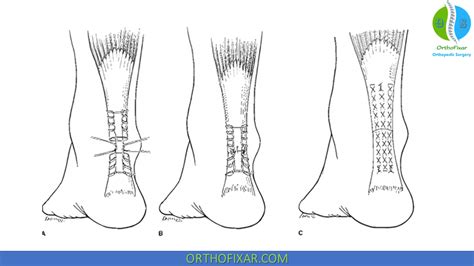
Surgical repair of the Achilles tendon is a complex procedure that aims to restore the integrity and function of the tendon. There are several surgical techniques, each with its indications and advantages. The choice of technique depends on the location and extent of the tear, as well as the surgeon’s preference and experience.
Open Repair: This traditional method involves making an incision at the back of the ankle to access the torn tendon. The surgeon then sews the tendon back together using strong sutures. Open repair is effective but carries a higher risk of infection and wound complications.
Percutaneous Repair: In this minimally invasive technique, several small incisions are made, and sutures are passed through the skin and tendon to repair the tear. This method reduces the risk of wound complications compared to open repair but may have a higher risk of nerve damage.
Minimally Invasive Surgery (MIS): MIS techniques combine the benefits of open and percutaneous repair, using smaller incisions and specialized instruments to visualize and repair the tendon. This approach minimizes tissue damage and promotes faster recovery.
Postoperative Care and Rehabilitation
Following Achilles tendon repair surgery, a comprehensive rehabilitation program is crucial for optimal recovery. The immediate postoperative period involves protecting the repair site, typically through immobilization in a cast or walking boot, and managing pain. As the tendon begins to heal, a structured physical therapy program is initiated to gradually restore range of motion, strength, and function.
- Phase 1 (0-6 weeks): Focuses on wound healing, pain management, and maintaining ankle mobility through gentle exercises.
- Phase 2 (6-12 weeks): Involves progressive strengthening of the calf muscles, improvement of ankle range of motion, and introduction of weight-bearing activities.
- Phase 3 (3-6 months): Aims at advancing strength training, incorporating agility drills, and preparing the patient for return to sport or high-level activities.
Complications and Challenges
While Achilles tendon repair is generally effective, there are potential complications and challenges that patients and surgeons must be aware of. These include infection, wound healing problems, re-rupture of the tendon, and nerve damage. Additionally, the rehabilitation process can be lengthy and demanding, requiring patience and adherence to the therapeutic plan.
Future Directions and Emerging Technologies
The field of Achilles tendon repair is evolving, with ongoing research focusing on optimizing surgical techniques, enhancing rehabilitation protocols, and exploring new technologies to improve outcomes. Advances in biomaterials and tissue engineering hold promise for developing innovative methods to augment tendon healing and potentially reduce the risk of complications.
Conclusion
Achilles tendon repair is a complex and nuanced process, requiring careful consideration of surgical technique, postoperative care, and rehabilitation. By understanding the nature of Achilles tendon injuries, the available surgical options, and the importance of comprehensive rehabilitation, patients and healthcare providers can work together to achieve the best possible outcomes. As research continues to advance our knowledge and capabilities in this area, we can expect to see improvements in the management of Achilles tendon injuries, leading to better function, reduced pain, and enhanced quality of life for those affected.
Frequently Asked Questions
What are the symptoms of an Achilles tendon rupture?
+Symptoms of an Achilles tendon rupture typically include a sudden, severe pain in the back of the ankle, a snapping or popping sensation, swelling, and difficulty walking or standing on the toes. Some individuals may also notice a gap or dent in the tendon above the heel.
How long does it take to recover from Achilles tendon surgery?
+Recovery from Achilles tendon surgery can vary, but most people can expect a rehabilitation period of several months. Typically, patients are advised to avoid heavy loading and high-impact activities for at least 3-6 months post-surgery. Full recovery, including return to pre-injury activity levels, may take 6-12 months or longer.
Can Achilles tendon injuries be prevented?
+While not all Achilles tendon injuries can be prevented, certain measures can reduce the risk. These include gradual and progressive training, incorporating strength and flexibility exercises into workouts, wearing appropriate footwear, and avoiding excessive training or activity, especially on hard surfaces.