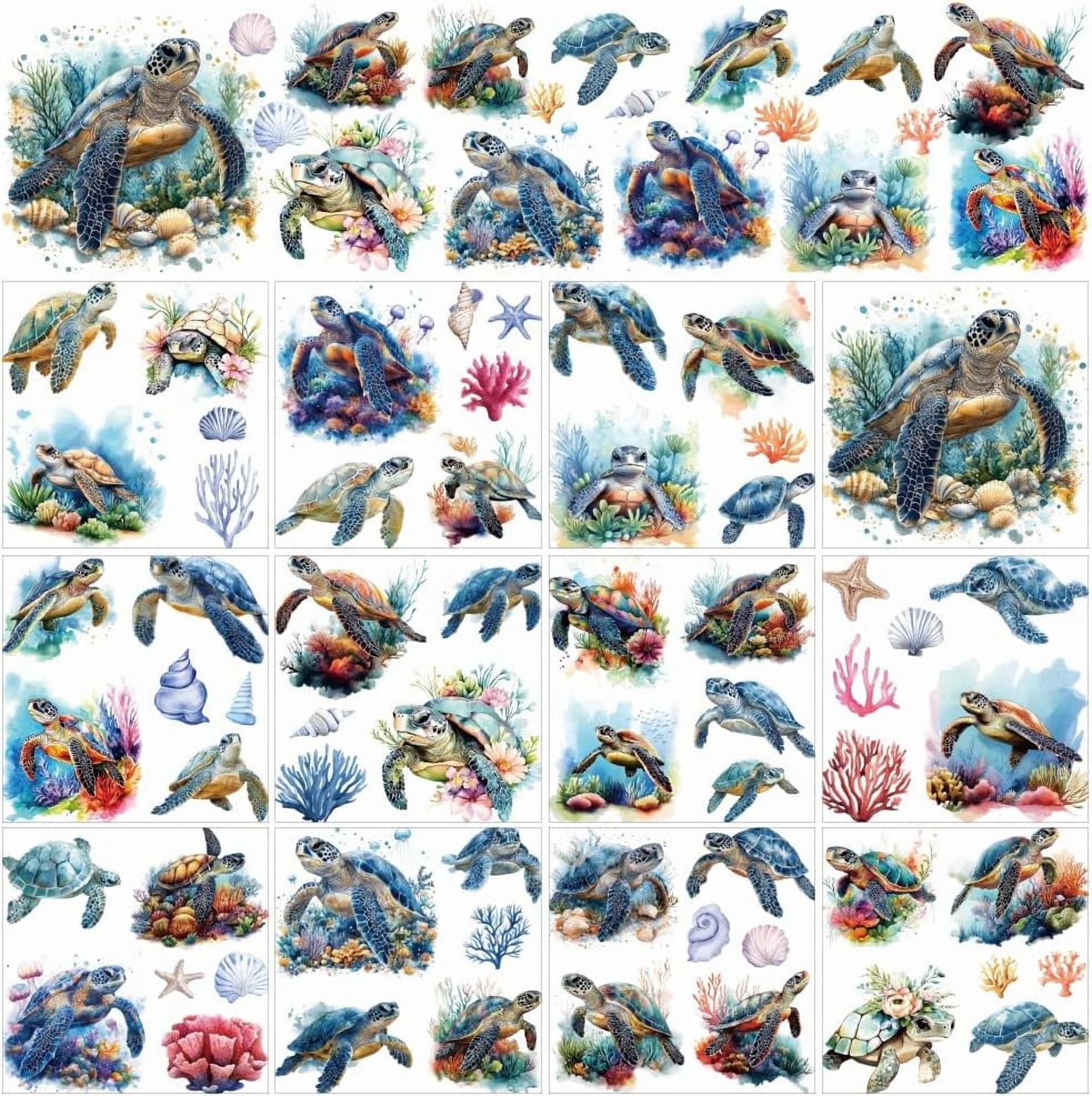













Are all Turtles Territorial?
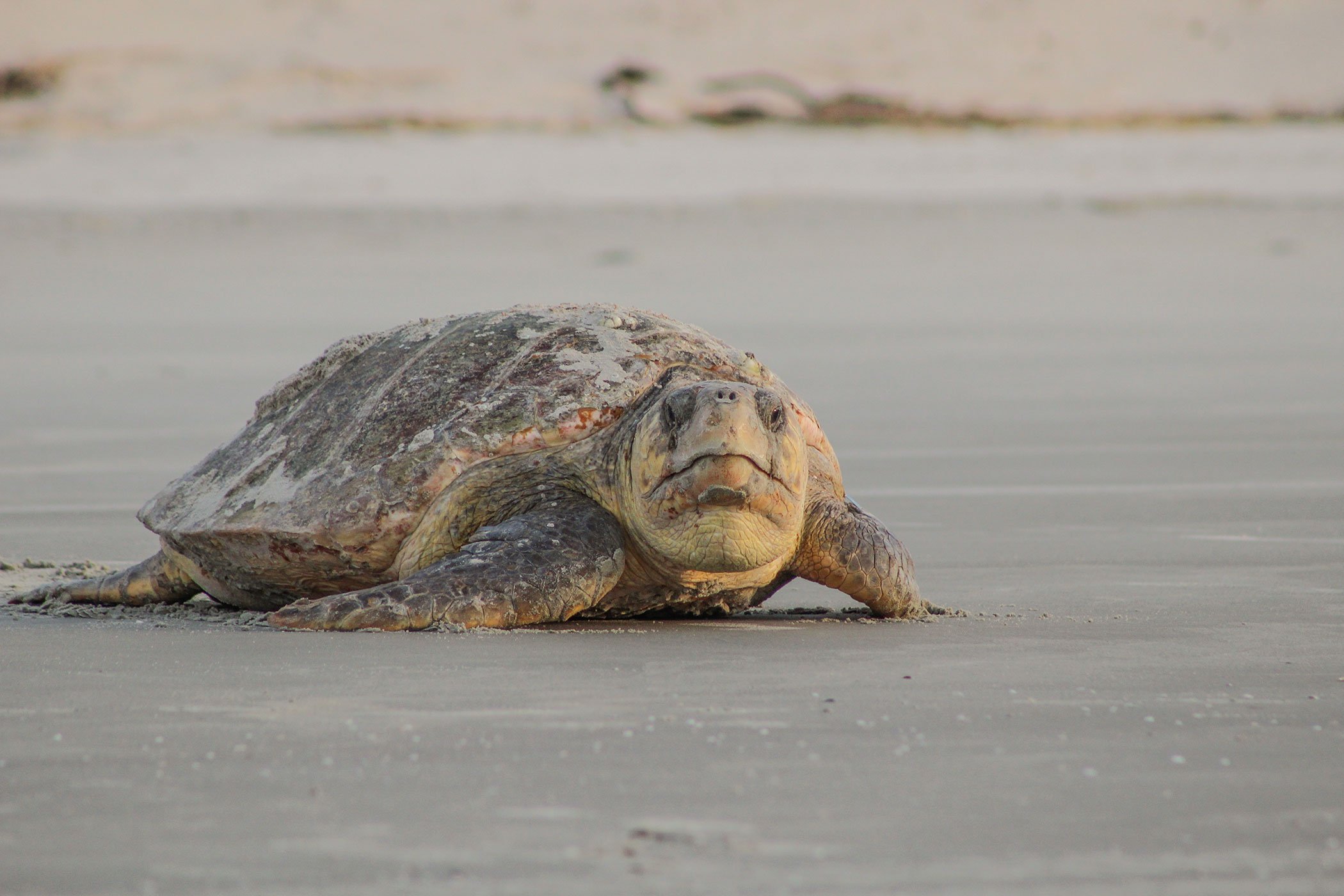
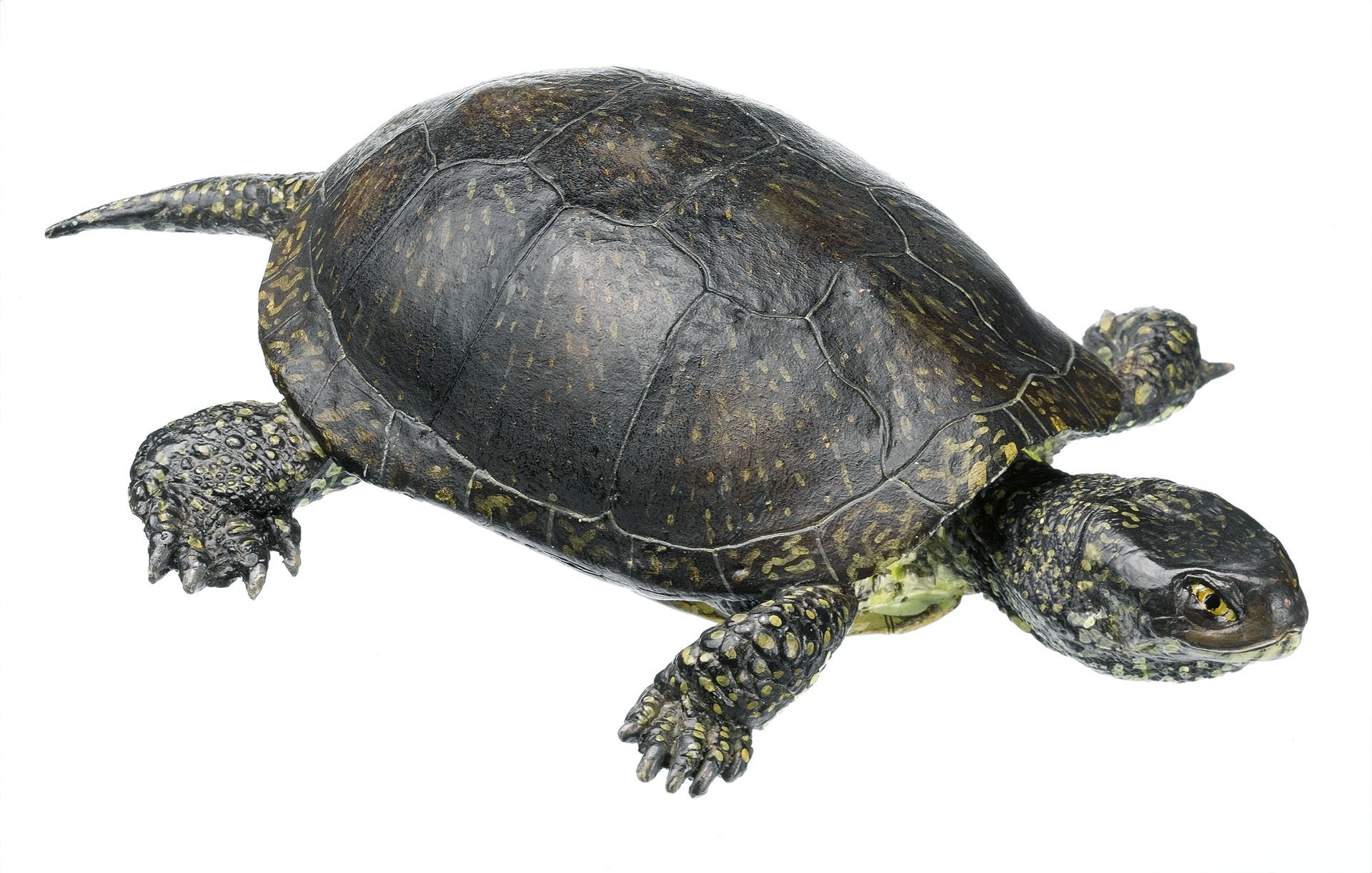
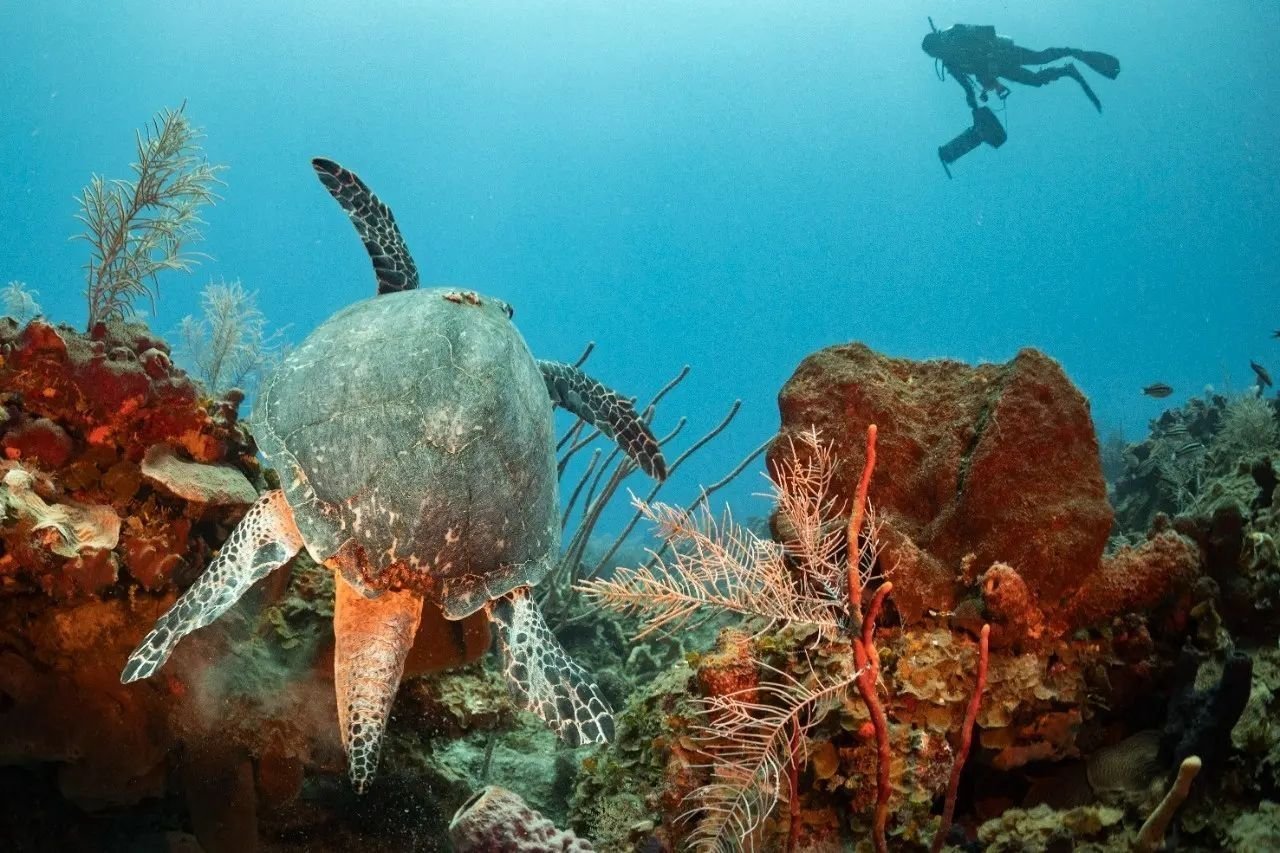
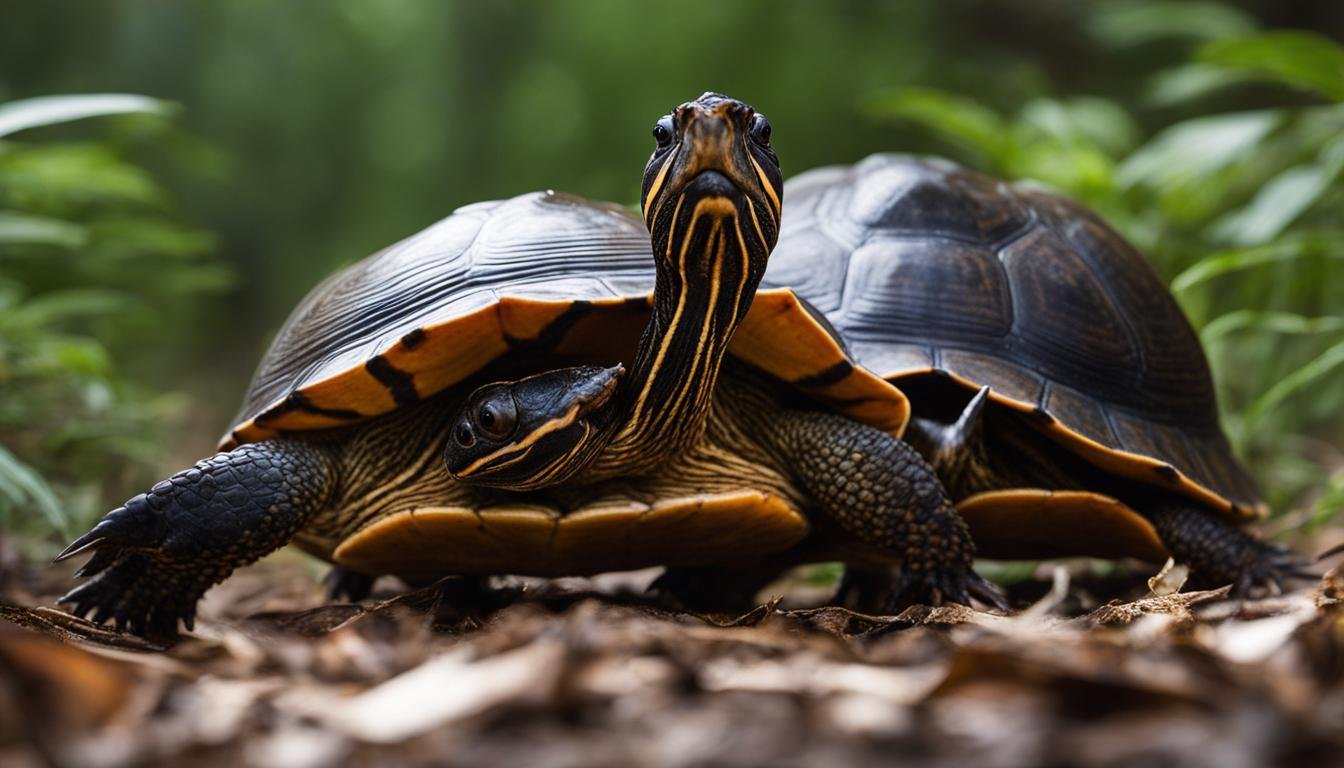
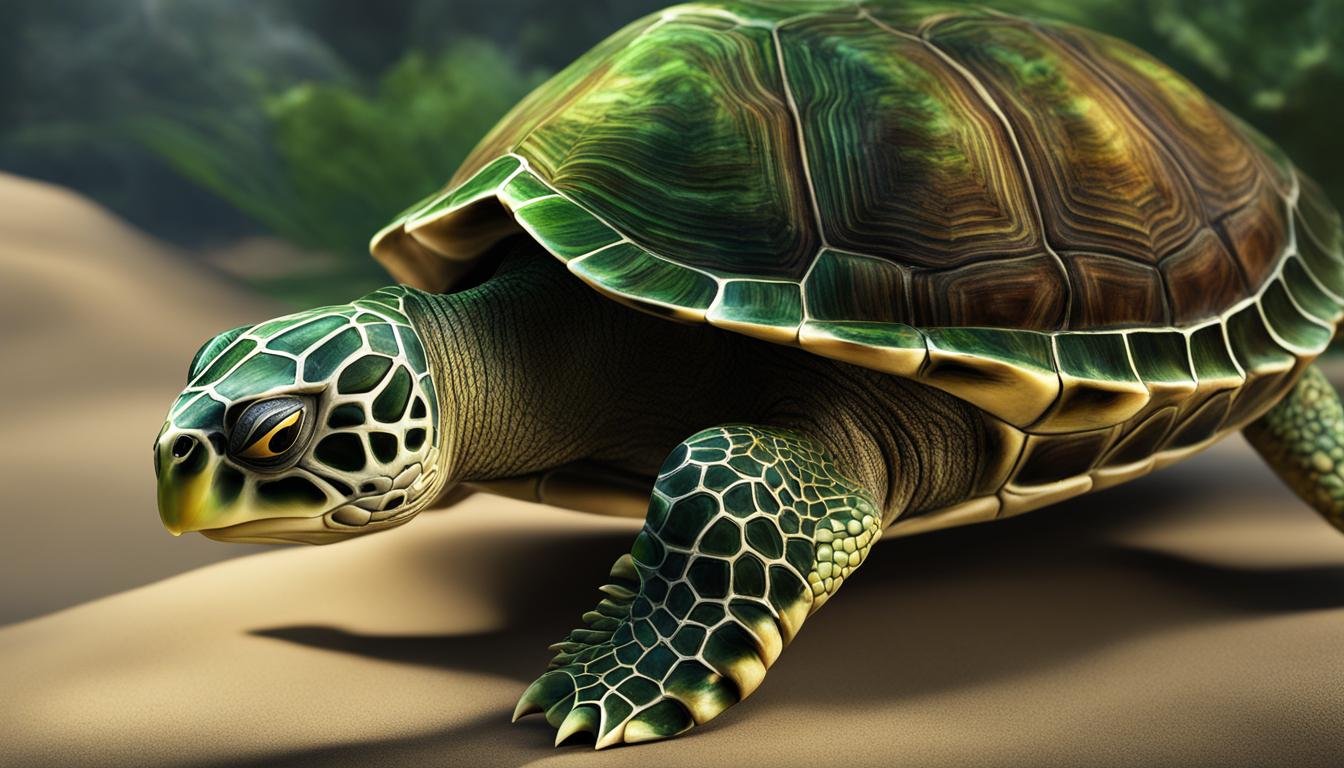
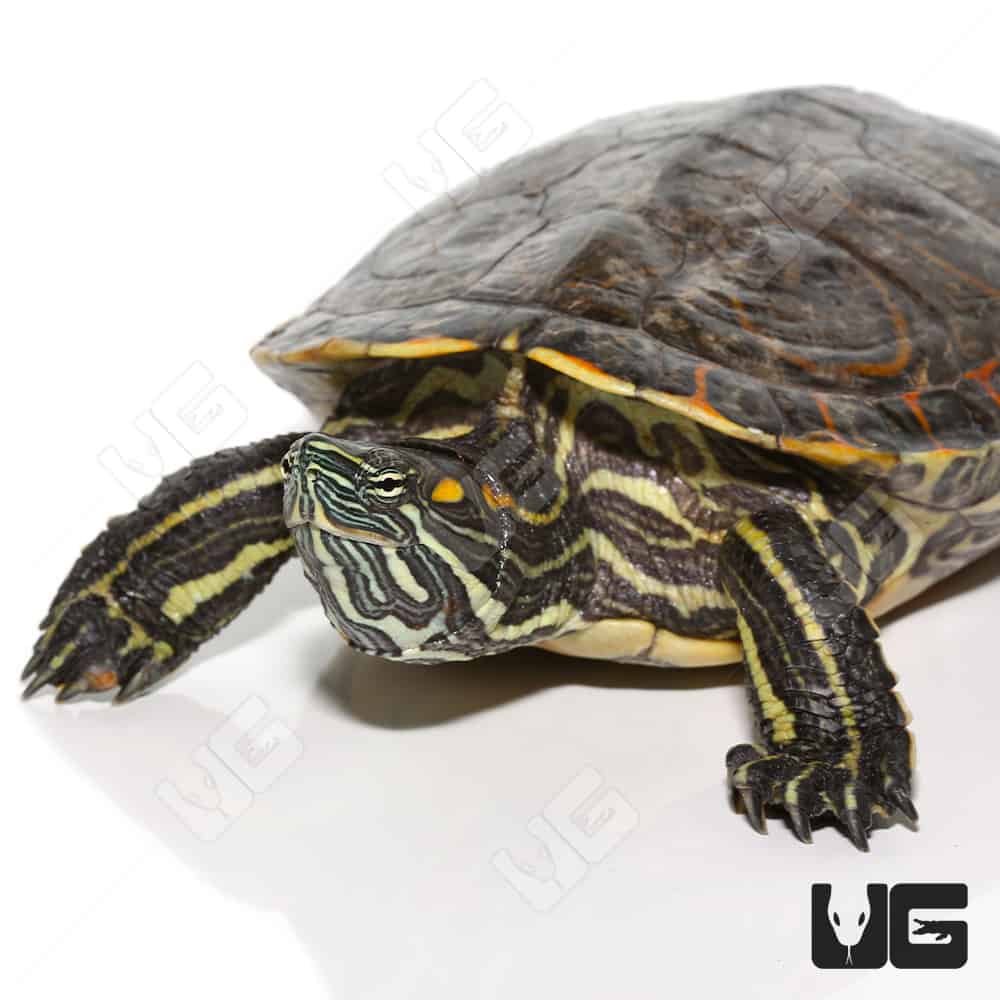
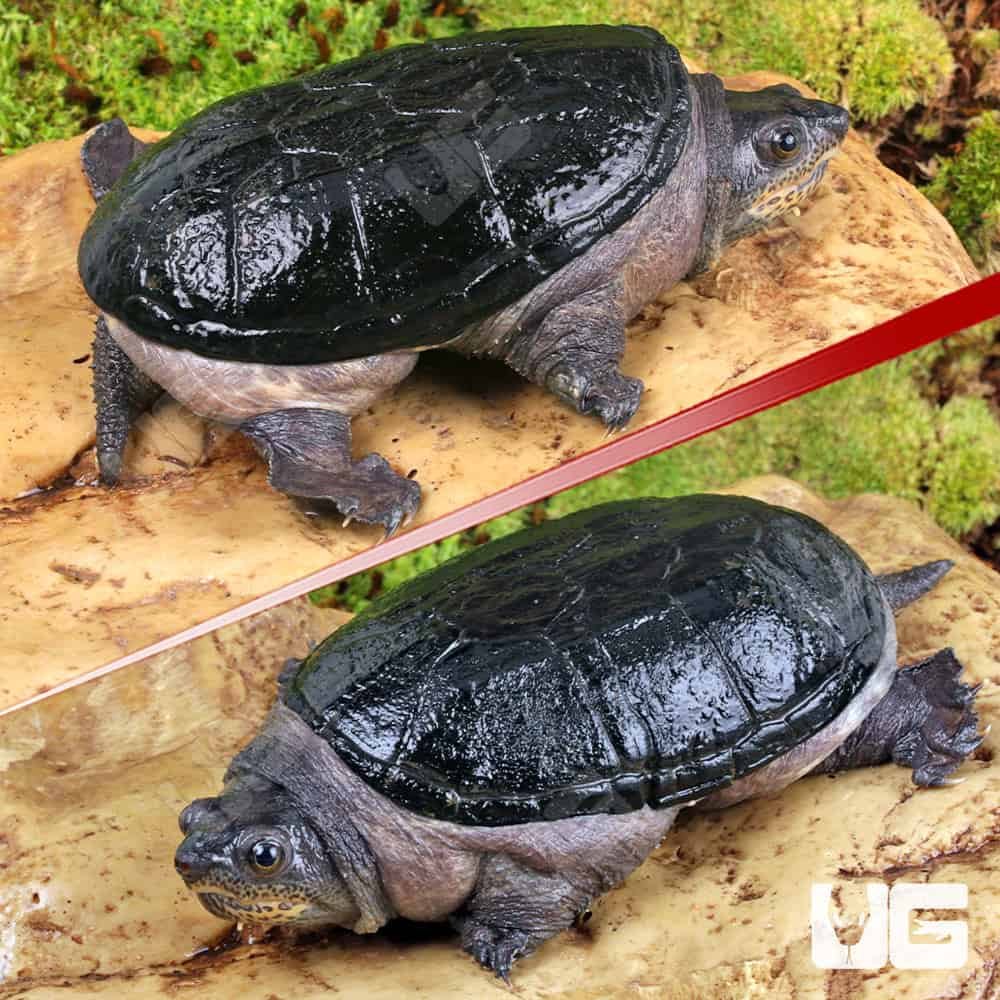
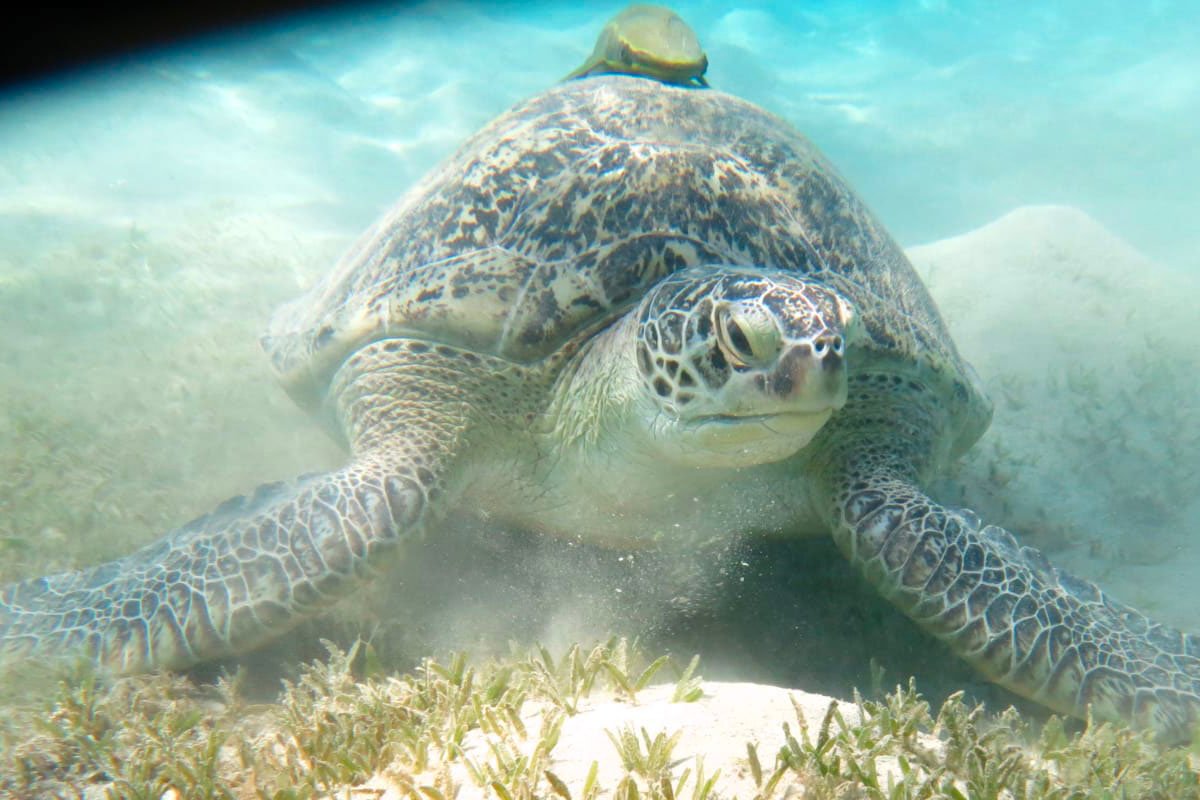
Turtles, including sea turtles and various species like box turtles, are generally not known for defending physical territories. However, territoriality in male wood turtles and other species has been observed, particularly during peak breeding times.
Male-on-Male Aggression
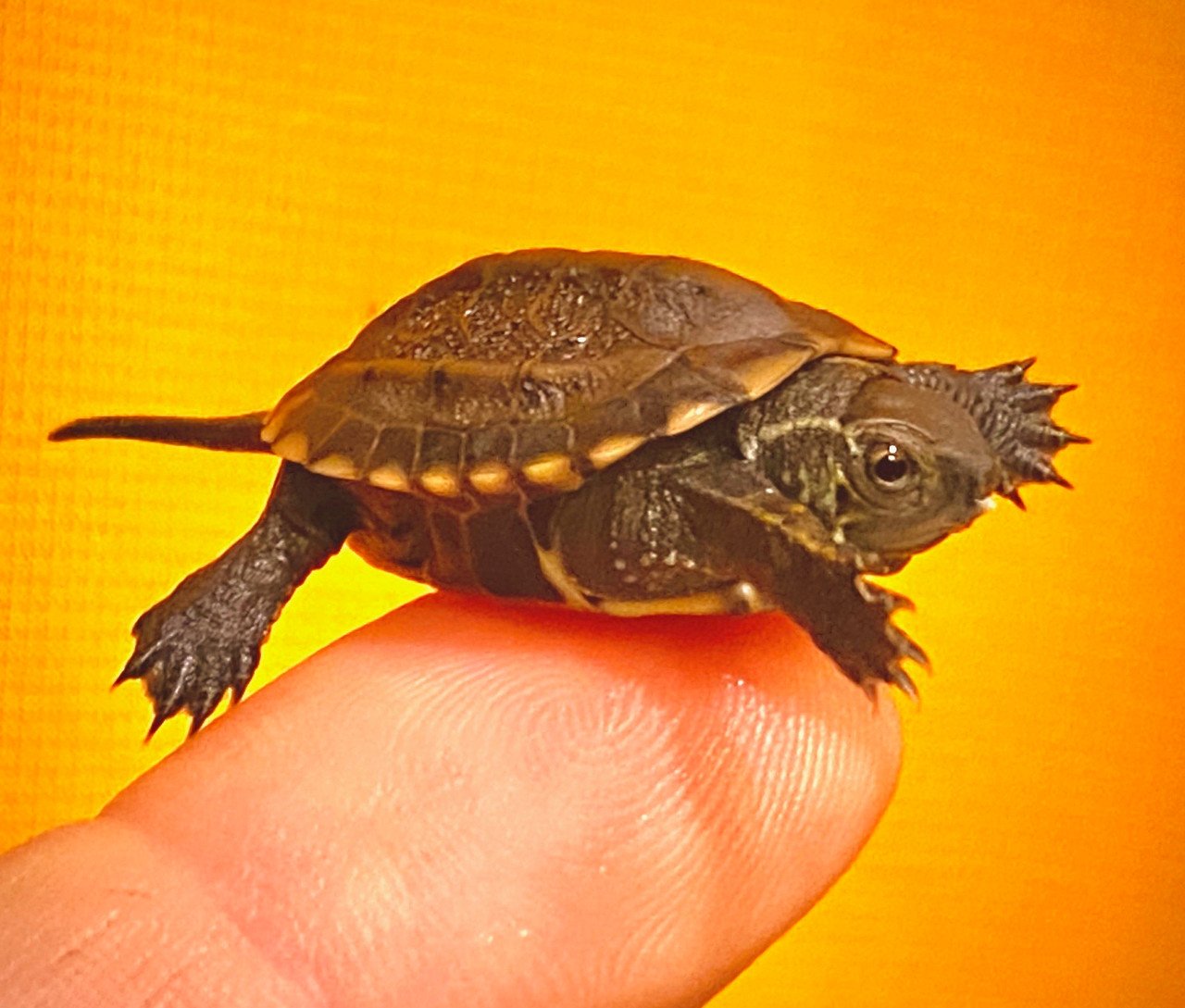
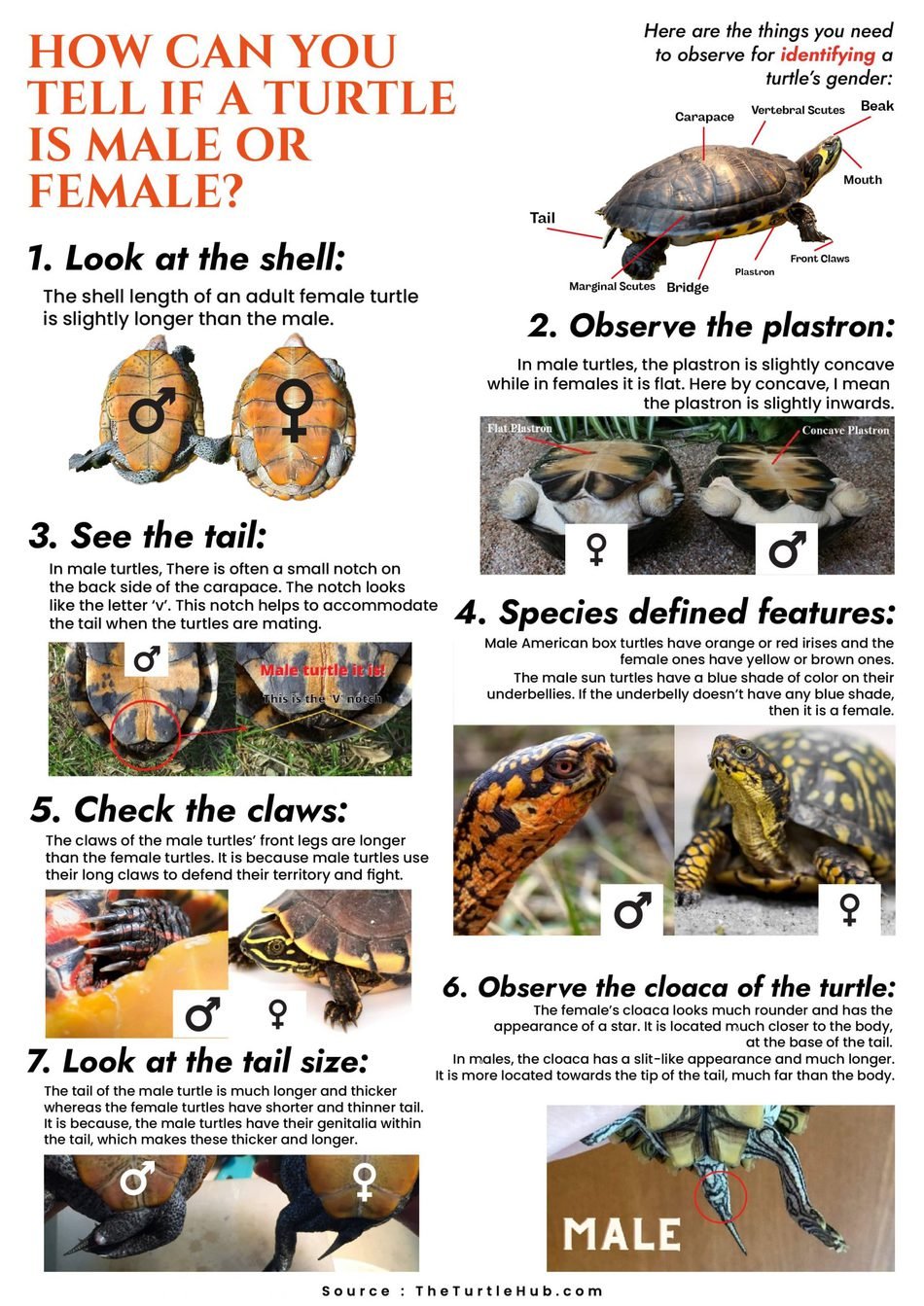
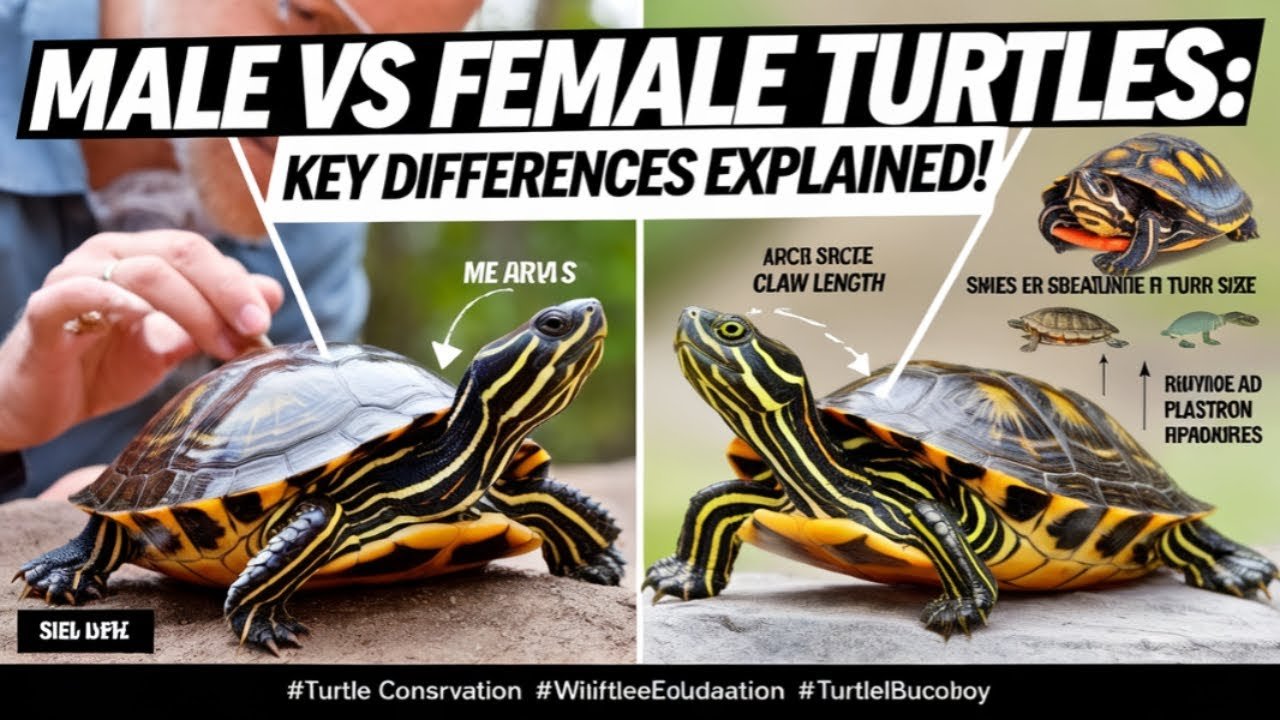
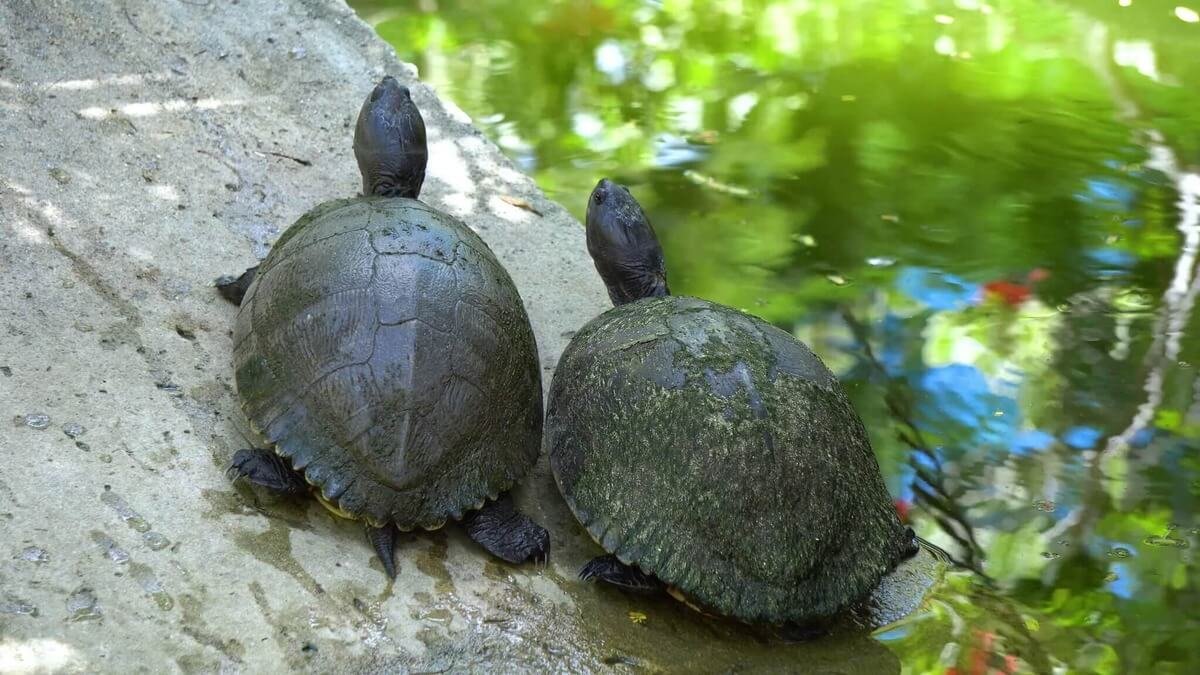
During breeding seasons, male turtles can become highly active and persistent, often exhibiting territorial behaviors. This may include chasing, ramming, and even biting other males. They may also block basking spots or engage in repeated courtship behaviors, such as fluttering their front claws in front of other turtles.

Social Hierarchy and Dominance
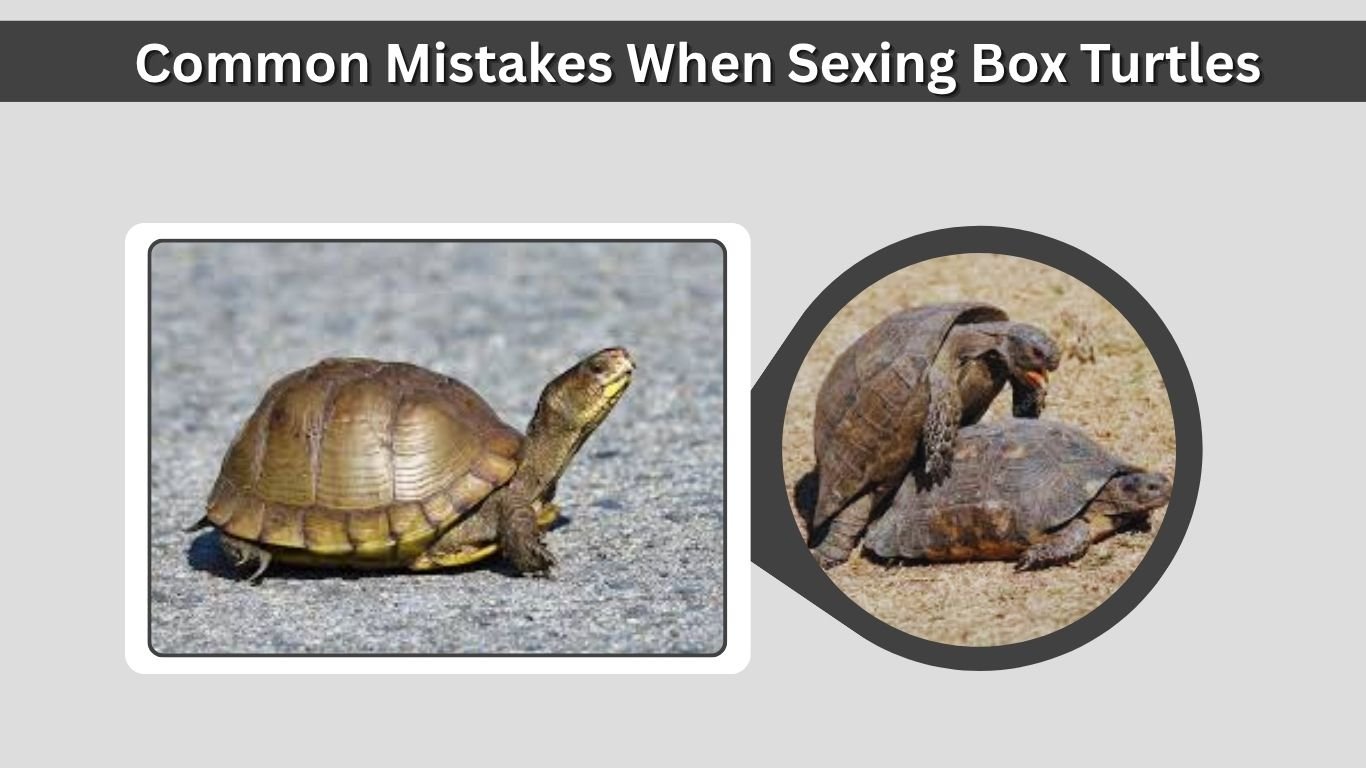
Male turtles mount other males as a way to establish social hierarchy and assert territorial dominance. This behavior is not reproductive in nature but rather a display of power and control within their social group.

Understanding Territorial Displays
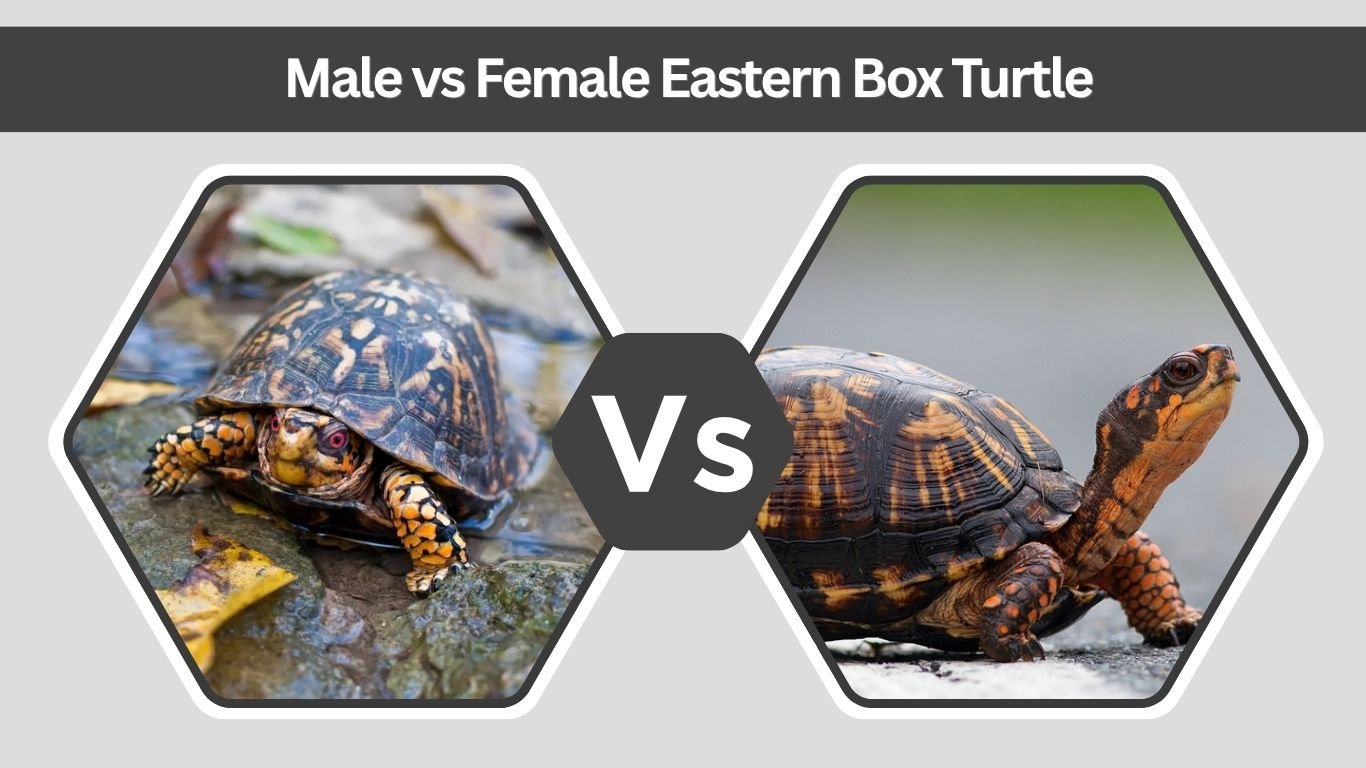
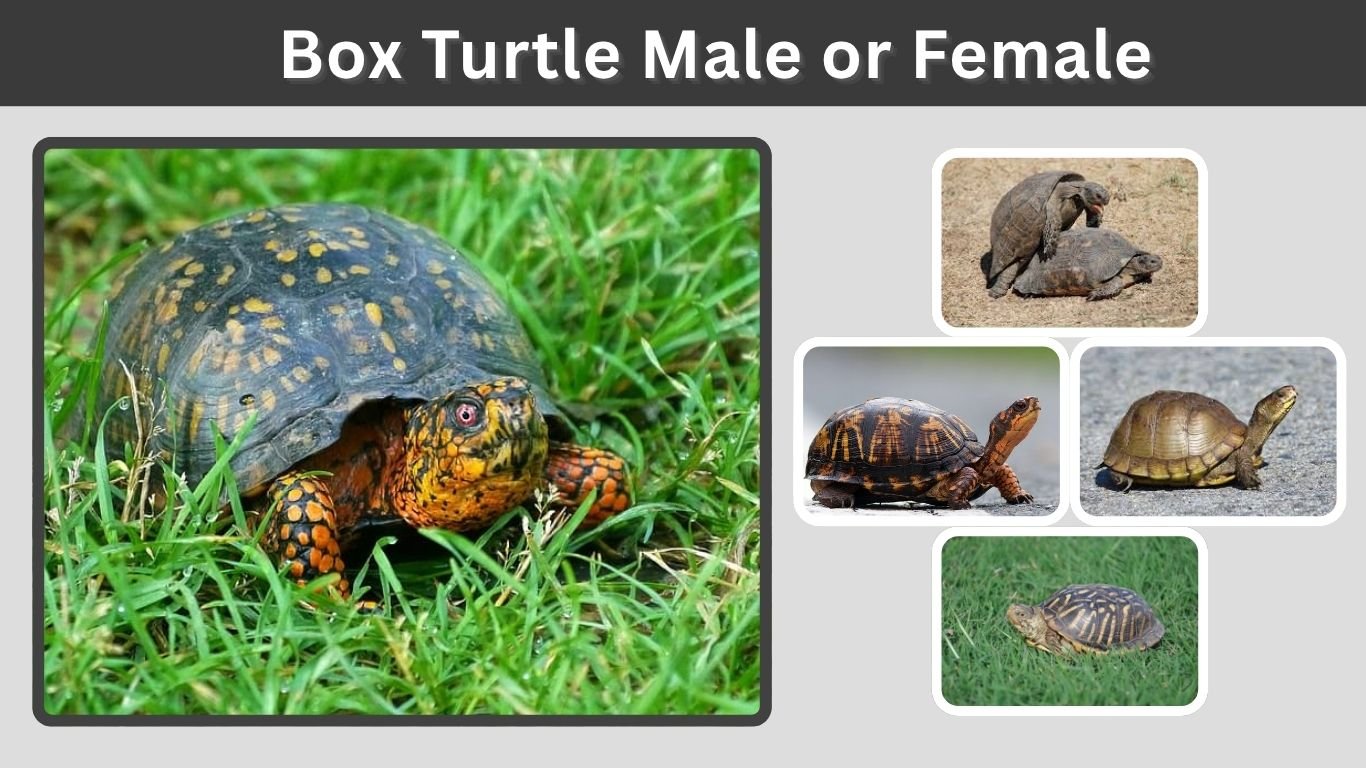
Turtles use various methods to mark and recognize their territories. Box turtles, for example, employ scent marking, visual cues, and territorial displays to establish and protect their environments. They often leave scent marks using glands near their chins, creating a unique signature scent.
Practical Tips for Observing Territorial Behavior
- Keep an eye out for male-to-male conflict: During breeding seasons, be vigilant for signs of aggression, such as chasing or blocking basking spots.
- Provide ample space: Ensure your turtle habitat is large enough to accommodate multiple turtles, especially during breeding seasons, to reduce territorial disputes.
- Observe courtship behaviors: Fluttering front claws or persistent pursuit of other males are signs of territorial displays and should be noted.
- Consider species-specific needs: Different turtle species may have varying levels of territoriality, so research the specific needs of your turtle species.
- Seek expert advice: Consult with reptile specialists or veterinarians for species-specific advice on managing territorial behaviors.