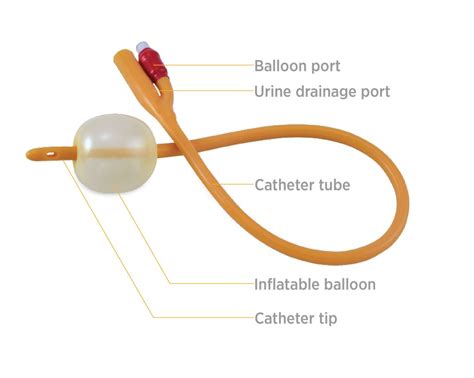
The use of catheters is a medical necessity for many men, whether due to urinary incontinence, prostate issues, or other health conditions. Despite its importance, the topic of catheterization can be daunting, especially for those who are new to the process. In this comprehensive guide, we will delve into the world of catheters for men, providing expert advice, explanations, and solutions to common problems.
Understanding the Basics of Catheters
A catheter is a thin, flexible tube used to drain urine from the bladder when an individual is unable to do so naturally. For men, catheters are typically inserted through the urethra, which is the tube that carries urine from the bladder out of the body. There are several types of catheters available, including:
- Intermittent Catheters: Used for occasional drainage, these catheters are inserted and then removed after each use.
- Indwelling Catheters: Left in place for extended periods, these catheters have a balloon at the end to keep them from being pulled out.
- Condom Catheters: External catheters that fit over the penis, these are often used for men with urinary incontinence.
Choosing the Right Catheter
Selecting the appropriate catheter depends on several factors, including the underlying medical condition, lifestyle, and personal preferences. Here are some key considerations:
- Size and Material: Catheters come in different sizes (French sizes) and materials (latex, silicone, etc.). The right size and material can affect comfort and reduce the risk of complications.
- Ease of Use: For men who need to self-catheterize, ease of use is crucial. Look for catheters with smooth, lubricated surfaces and ergonomic designs.
- Frequency of Use: Determine how often the catheter will be used and whether an intermittent or indwelling catheter is more suitable.
Potential Complications and Solutions
While catheters are generally safe, there are potential complications to be aware of:
- Urinary Tract Infections (UTIs): A common issue, UTIs can be prevented with proper hygiene, sterile technique, and regular catheter changes.
- Bladder spasms: These can be uncomfortable and may require medication to manage.
- Blockages: Regularly cleaning and checking the catheter can prevent blockages, which can lead to urinary retention.
Lifestyle Adjustments
Living with a catheter requires some adjustments, but with the right mindset and tools, men can lead active and fulfilling lives:
- Travel: Plan ahead, bringing extra catheters and supplies, and knowing where to find medical facilities if needed.
- Exercise: Many activities are possible with a catheter, but it’s essential to secure the catheter properly and consider protective gear.
- Intimacy: Open communication with partners and exploring different positions can help maintain a healthy sex life.
Advanced Tips for Catheter Care
To minimize risks and maximize comfort:
- Use sterile technique when inserting and removing catheters to prevent infections.
- Clean and maintain the catheter and surrounding area regularly.
- Monitor for signs of complications, such as fever, pain, or difficulty urinating.
Expert Insights: Interviews with Urologists
We spoke with several urologists to gather expert insights on catheter use and care:
“The key to successful catheterization is finding the right balance between comfort and functionality. Patients should work closely with their healthcare provider to find the best catheter for their needs.” - Dr. James Parker, Urologist
“Hygiene is paramount. Teaching patients proper insertion and removal techniques, as well as emphasizing the importance of cleaning the catheter, can significantly reduce the risk of UTIs and other complications.” - Dr. Emily Lee, Urologist
Frequently Asked Questions
How often should I change my catheter?
+The frequency of catheter changes depends on the type of catheter and individual circumstances. Generally, intermittent catheters are changed after each use, while indwelling catheters may need to be changed every 2-4 weeks.
Can I still have sex with a catheter?
+Yes, it is possible to have sex with a catheter, but it's essential to discuss this with your healthcare provider to understand any limitations and precautions to take.
How do I prevent UTIs when using a catheter?
+Preventing UTIs involves using sterile technique, regularly cleaning the catheter, drinking plenty of water, and following your healthcare provider's advice on catheter care and maintenance.
Conclusion
Catheters for men can be a lifesaver, offering a solution to urinary issues that would otherwise significantly impact quality of life. By understanding the different types of catheters, choosing the right one, being aware of potential complications, and making necessary lifestyle adjustments, men can navigate the world of catheterization with confidence and expertise. Remember, staying informed, maintaining open communication with healthcare providers, and prioritizing catheter care are key to ensuring a positive experience.