The anticipation and excitement of awaiting the arrival of a new baby can be a breathtaking experience for expectant mothers. As the pregnancy progresses, the baby’s movements become more pronounced, and tracking these kicks can be a wonderful way to bond with the unborn child. Counting the kicks is not only a fun activity but also a vital tool for monitoring the baby’s health and well-being. In this comprehensive guide, we will delve into the world of fetal movement tracking, exploring its importance, benefits, and providing expert tips on how to make the most out of this experience.
Understanding Fetal Movement
As the baby grows and develops, it begins to move and respond to its surroundings. These movements can range from gentle twitches to vigorous kicks, and they play a crucial role in the baby’s overall health. Fetal movement can indicate the baby’s position, comfort level, and even its emotional state. By tracking these movements, expectant mothers can gain valuable insights into their baby’s daily activities and potential distress signals.
Why Count the Kicks?
Counting the kicks is an essential practice that offers numerous benefits for both the mother and the baby. Some of the key reasons to track fetal movement include:
- Monitoring baby’s health: By tracking the baby’s movements, expectant mothers can identify potential issues, such as decreased movement, which may indicate a problem with the baby’s health.
- Reducing stillbirth risk: Research has shown that tracking fetal movement can help reduce the risk of stillbirth by identifying potential complications early on.
- Improving maternal-fetal bonding: Counting the kicks allows expectant mothers to feel more connected to their baby, promoting a sense of closeness and nurturing.
- Enhancing prenatal care: By monitoring fetal movement, healthcare providers can gain valuable insights into the baby’s development and make informed decisions about prenatal care.
How to Count the Kicks
Counting the kicks is a simple yet effective way to track fetal movement. Here’s a step-by-step guide to get you started:
- Choose a quiet time: Find a quiet and comfortable spot to sit or lie down, preferably during a time when the baby is usually active.
- Get comfortable: Take a few deep breaths, relax, and get comfortable. This will help you focus on the baby’s movements.
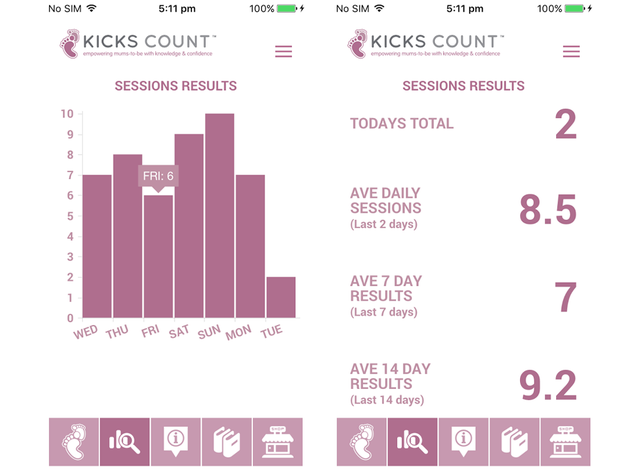
- Start counting: Begin counting the kicks, twitches, or any other movements you feel. You can use a kick counter app or a simple piece of paper to keep track.
- Set a baseline: Establish a baseline count by tracking the baby’s movements over a few days. This will help you identify any changes or patterns.
- Look for patterns: Pay attention to the baby’s movement patterns, including the time of day, frequency, and intensity.
Tips and Variations
To make the most out of counting the kicks, consider the following tips and variations:
- Use a kick counter app: There are several kick counter apps available that can help you track fetal movement and provide valuable insights into the baby’s development.
- Keep a kick journal: Writing down your observations can help you identify patterns and track changes in the baby’s movement.
- Involve your partner: Sharing the experience with your partner can be a wonderful way to bond and feel more connected to the baby.
- Try different positions: Experiment with different positions, such as lying down or sitting, to see how it affects the baby’s movement.
What is the normal range for fetal movement?
+The normal range for fetal movement can vary depending on the gestational age and individual factors. Generally, expectant mothers can feel between 10-30 movements per hour, with the peak activity usually occurring in the evening.
What if I don't feel the baby move?
+If you don't feel the baby move, it's essential to contact your healthcare provider immediately. They will assess the situation and provide guidance on the next steps to take.
Can I track fetal movement too early in pregnancy?
+While it's possible to feel some movement early in pregnancy, it's usually not until around 18-20 weeks that expectant mothers can consistently track fetal movement. However, every pregnancy is unique, and some women may feel movement earlier or later than others.
Conclusion
Counting the kicks is a wonderful way to connect with your unborn baby and monitor their health and well-being. By tracking fetal movement, expectant mothers can gain valuable insights into their baby’s daily activities, identify potential issues, and enhance their prenatal care. Remember to stay relaxed, have fun, and enjoy this special bonding experience with your baby. With the right approach and mindset, counting the kicks can be a rewarding and enriching experience for both you and your baby.