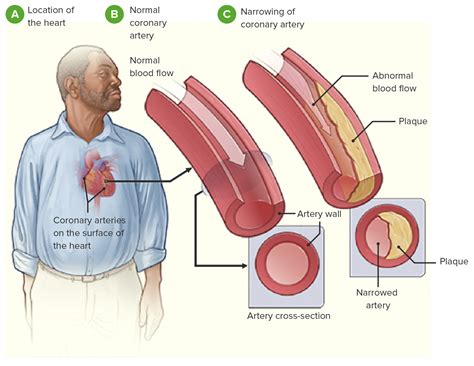
Coronary heart disease, also known as coronary artery disease, is a condition in which the coronary arteries, the major blood vessels that supply blood to the heart, become damaged or diseased. This damage is usually caused by atherosclerosis, a condition in which plaque builds up in the arteries, leading to their narrowing or blockage. As a result, the heart muscle does not receive the blood and oxygen it needs, which can lead to chest pain, shortness of breath, and other symptoms.
The buildup of plaque in the coronary arteries is a gradual process that can start as early as childhood. Over time, the plaque can harden and narrow the arteries, reducing blood flow to the heart. This can lead to a range of problems, including angina, heart attacks, and heart failure. Coronary heart disease is the leading cause of death worldwide, accounting for over 8.9 million deaths per year.
Understanding the Risks
Several factors can increase the risk of developing coronary heart disease. These include:
- High blood pressure: High blood pressure can damage the coronary arteries, making them more susceptible to narrowing and blockage.
- High cholesterol: High levels of low-density lipoprotein (LDL) cholesterol can contribute to the buildup of plaque in the arteries.
- Smoking: Smoking damages the inner lining of the arteries, making them more prone to narrowing and blockage.
- Obesity: Excess weight can increase the risk of developing high blood pressure, high cholesterol, and diabetes, all of which are risk factors for coronary heart disease.
- Physical inactivity: A sedentary lifestyle can increase the risk of developing coronary heart disease.
- Diabetes: People with diabetes are at increased risk of developing coronary heart disease.
- Family history: A family history of coronary heart disease can increase an individual’s risk.
Symptoms and Diagnosis
The symptoms of coronary heart disease can vary from person to person. Some people may experience:
- Chest pain or discomfort: This is the most common symptom of coronary heart disease.
- Shortness of breath: This can occur when the heart is not receiving enough oxygen.
- Pain or discomfort in the arms, back, neck, jaw, or stomach: This can be a sign of a heart attack.
- Fatigue: People with coronary heart disease may feel tired or weak.
- Palpitations: This is a feeling of irregular or skipped heartbeats.
To diagnose coronary heart disease, doctors may use a range of tests, including:
- Electrocardiogram (ECG or EKG): This measures the heart’s electrical activity.
- Echocardiogram: This uses sound waves to create images of the heart.
- Stress test: This measures the heart’s activity during exercise.
- Coronary angiography: This uses dye and X-rays to create images of the coronary arteries.
- Blood tests: These can measure cholesterol levels and other markers of heart health.
Treatment and Prevention
Treatment for coronary heart disease depends on the severity of the condition. In some cases, lifestyle changes may be enough to manage the condition. These can include:
- Quitting smoking: This can help prevent further damage to the arteries.
- Exercising regularly: This can help improve heart health and reduce the risk of complications.
- Eating a healthy diet: A diet low in saturated fats, salt, and added sugars can help reduce the risk of coronary heart disease.
- Maintaining a healthy weight: Excess weight can increase the risk of complications.
- Managing stress: This can help reduce the risk of heart problems.
In more severe cases, medication or surgery may be necessary. Medications can help:
- Lower cholesterol: Statins can help reduce LDL cholesterol levels.
- Reduce blood pressure: Beta blockers and ACE inhibitors can help lower blood pressure.
- Prevent blood clots: Aspirin and other antiplatelet medications can help prevent blood clots from forming.
Surgery may be necessary to:
- Widen narrowed arteries: Angioplasty and stenting can help improve blood flow to the heart.
- Bypass blocked arteries: Coronary artery bypass grafting (CABG) can help restore blood flow to the heart.
Conclusion
Coronary heart disease is a serious condition that can have significant consequences if left untreated. By understanding the risks, symptoms, and treatment options, individuals can take steps to prevent and manage the condition. Lifestyle changes, such as quitting smoking, exercising regularly, and eating a healthy diet, can help reduce the risk of coronary heart disease. In more severe cases, medication and surgery may be necessary to manage the condition and prevent complications.
What are the symptoms of coronary heart disease?
+The symptoms of coronary heart disease can include chest pain or discomfort, shortness of breath, pain or discomfort in the arms, back, neck, jaw, or stomach, fatigue, and palpitations.
How is coronary heart disease diagnosed?
+Coronary heart disease is diagnosed using a range of tests, including electrocardiogram (ECG or EKG), echocardiogram, stress test, coronary angiography, and blood tests.
What are the treatment options for coronary heart disease?
+Treatment for coronary heart disease depends on the severity of the condition and can include lifestyle changes, medication, and surgery. Lifestyle changes can include quitting smoking, exercising regularly, eating a healthy diet, maintaining a healthy weight, and managing stress. Medication can help lower cholesterol, reduce blood pressure, and prevent blood clots. Surgery may be necessary to widen narrowed arteries or bypass blocked arteries.
How can I reduce my risk of developing coronary heart disease?
+You can reduce your risk of developing coronary heart disease by making lifestyle changes, such as quitting smoking, exercising regularly, eating a healthy diet, maintaining a healthy weight, and managing stress. You can also work with your doctor to manage any underlying conditions, such as high blood pressure or high cholesterol.
What are the complications of coronary heart disease?
+The complications of coronary heart disease can include heart attack, heart failure, and arrhythmias. A heart attack occurs when the blood flow to the heart is blocked, causing damage to the heart muscle. Heart failure occurs when the heart is unable to pump enough blood to meet the body’s needs. Arrhythmias are irregular heartbeats that can be caused by damage to the heart muscle or electrical system.