









Homeschool Curriculum Hands-On: Practical, Engaging Learning
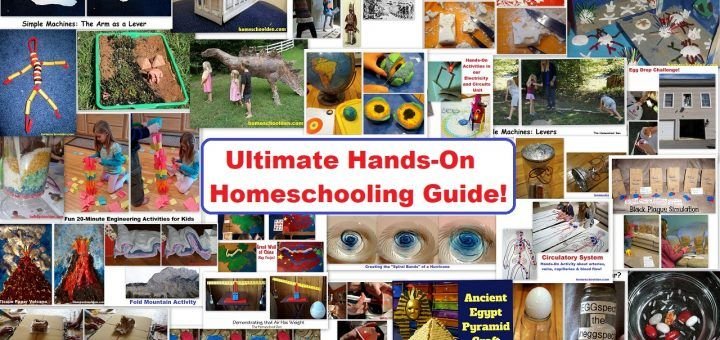
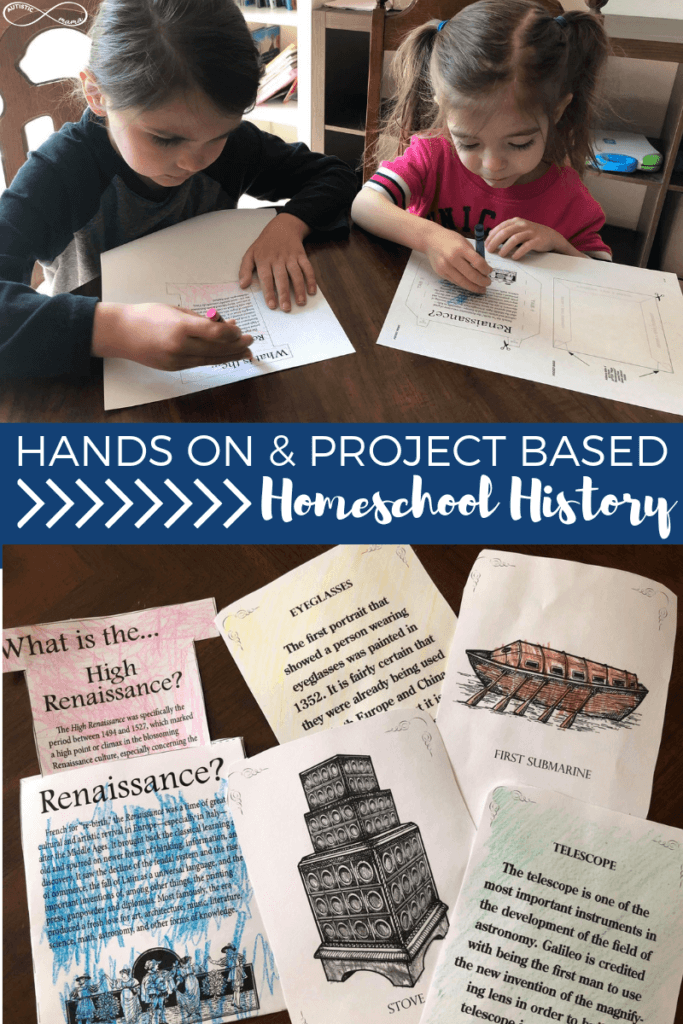
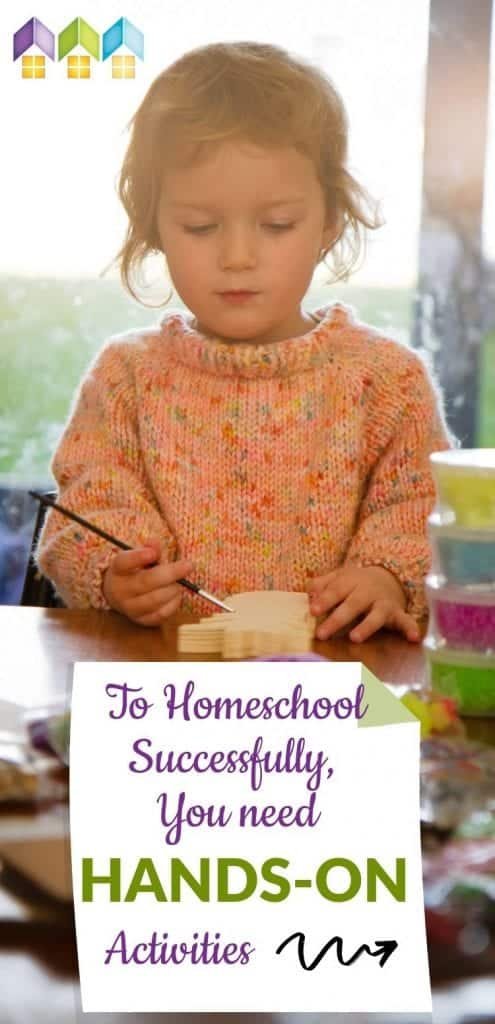
A homeschool curriculum hands-on approach offers an immersive, interactive learning experience, catering to active students who thrive on physical engagement. When looking into homeschool curriculum hands on, the details quickly stand out. This style of education moves beyond passive learning, encouraging students to explore, experiment, and create, fostering a deeper understanding of concepts.
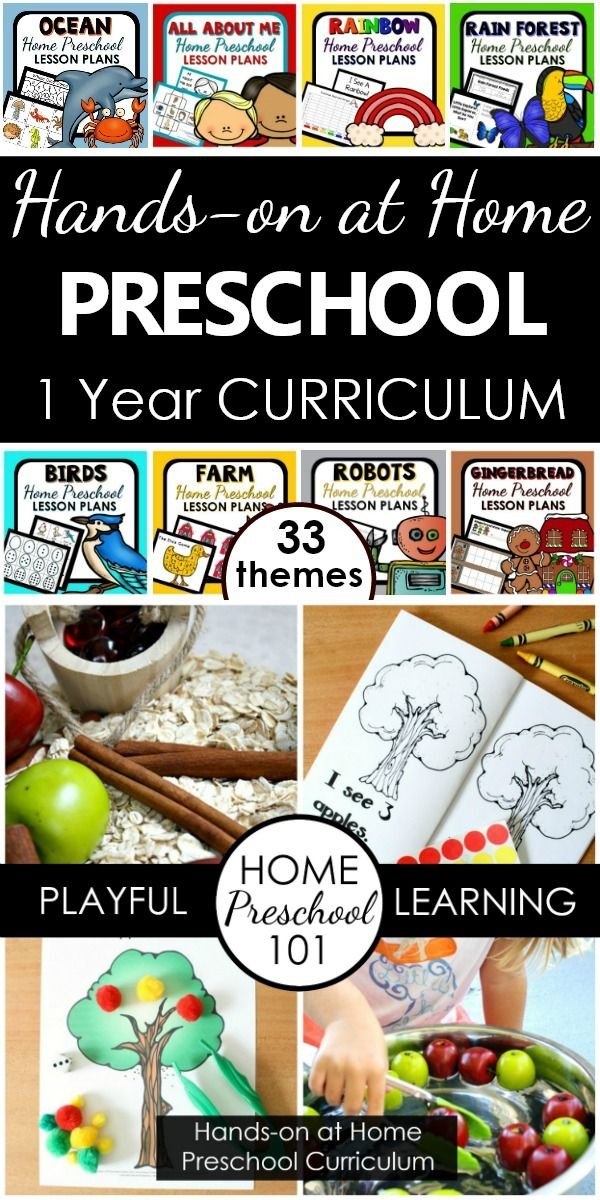
Popular Options for Hands-On Learning
Manipulative-Based Curricula: Programs like Math-U-See focus on tactile learning, providing physical manipulatives for math concepts, making abstract ideas more tangible. For a closer look at something similar, my post on homeschool kindergarten curriculum template covers the details.
Project-Based Learning: Curricula such as Beyond the Page and Five in a Row offer unit studies and literature-based activities, where students engage in hands-on projects related to their reading, fostering creativity and critical thinking. You can also compare this directly with kindergarten homeschool curriculum to see how they stack up.
Lab-Style Science: For science enthusiasts, a homeschool curriculum hands-on approach might include lab experiments and investigations, allowing students to explore scientific concepts practically. If you want another perspective, check out my notes on homeschool kindergarten curriculum as well.
Sizing and Specs
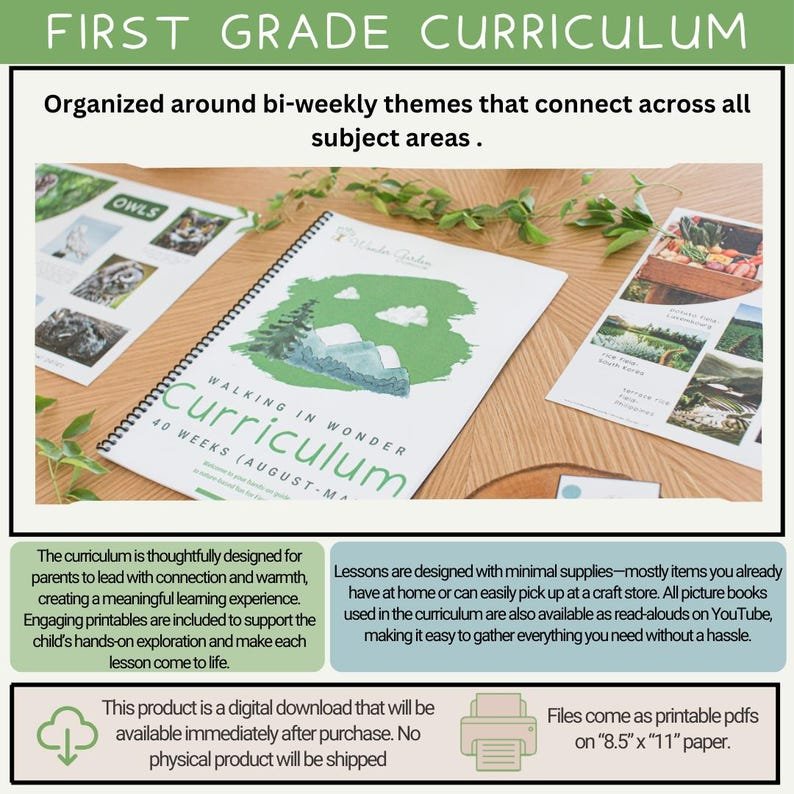
When choosing a hands-on curriculum, consider the age range it caters to. Some programs, like Acellus Academy, offer a wide range of courses suitable for various grade levels, while others, such as Night Zookeeper, target specific age groups, like ages 6-12. For a closer look at something similar, my post on sight words kindergarten covers the details.
Materials and Styling
Hands-on curricula often come with a range of physical materials, including: You can also compare this directly with smiley face with shine to see how they stack up.
- Manipulatives: Blocks, counters, and other tangible tools for math and science.
- Workbooks: Activity-based workbooks that complement hands-on learning.
- Supplies: Art materials, science equipment, and other resources for projects.
Placement and Usage
A homeschool curriculum hands-on can be implemented in various settings, from home to co-ops or even outdoor classrooms. Consider the space and resources available, ensuring you have the necessary materials and a suitable environment for practical learning. If you want another perspective, check out my notes on learning games for kindergarten as well.
What to Check Before Buying or Making Your Curriculum
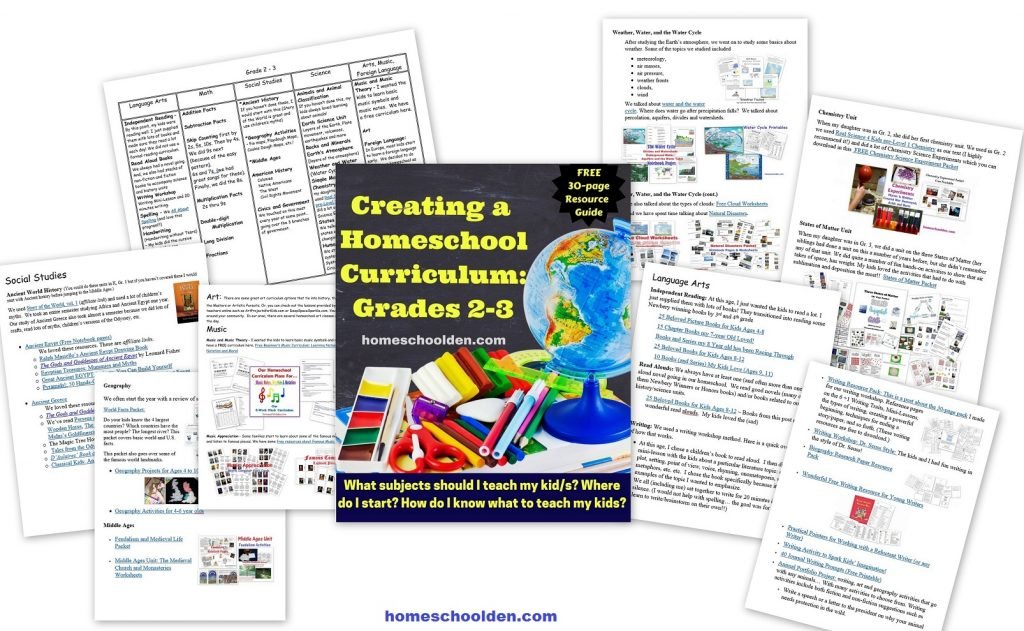
Accreditation: If accreditation is a priority, ensure the curriculum is accredited or aligns with your state's requirements, like Bridgeway Homeschool Academy. For a closer look at something similar, my post on create your own spelling test editable covers the details.
Prep Time: Some hands-on curricula require more preparation than others. Consider your availability and the time you can dedicate to setting up activities and experiments.
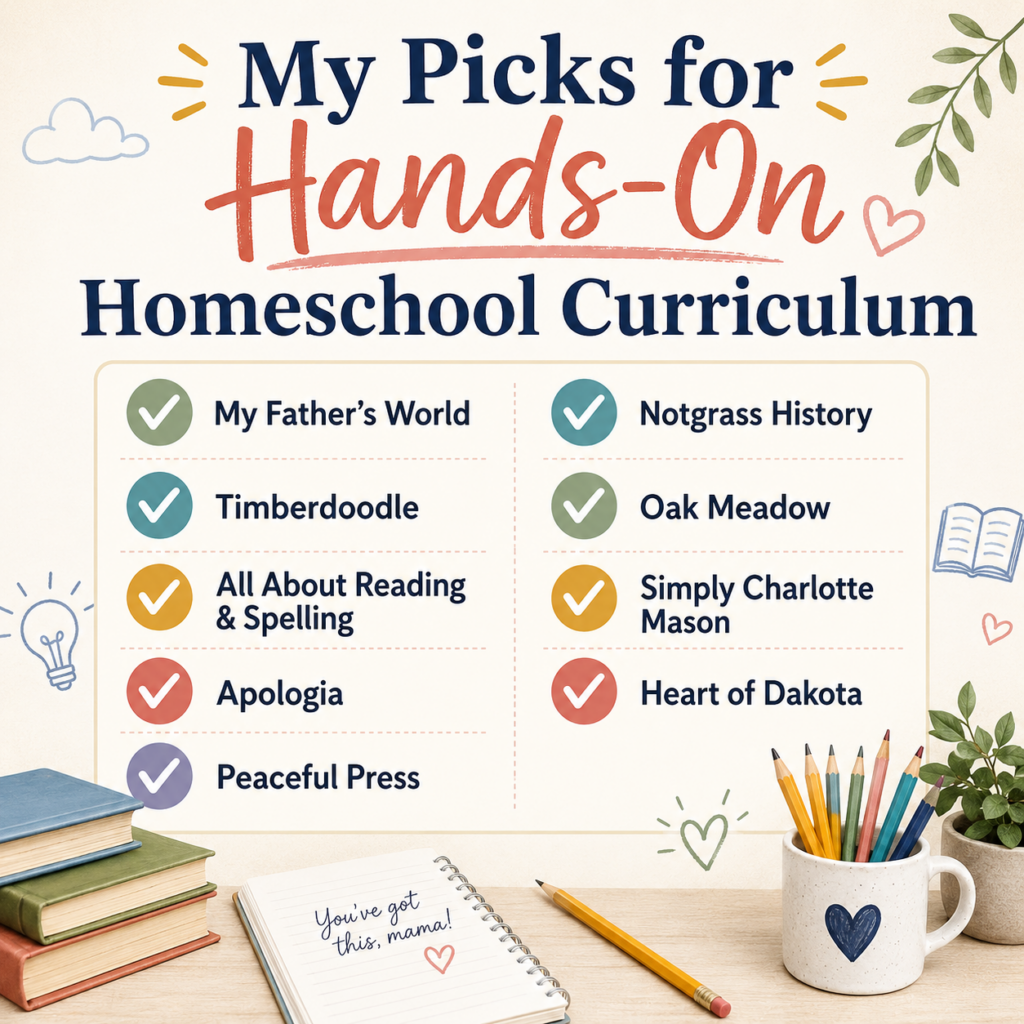
Faith-Based Options: For families seeking a faith-based curriculum, options like Timberdoodle and KONOS offer a blend of hands-on learning and religious education.
Remember, a homeschool curriculum hands-on approach can be tailored to your child's learning style and interests, making education an engaging, memorable experience.