


Ms., Miss, and Mrs.: Understanding the Titles
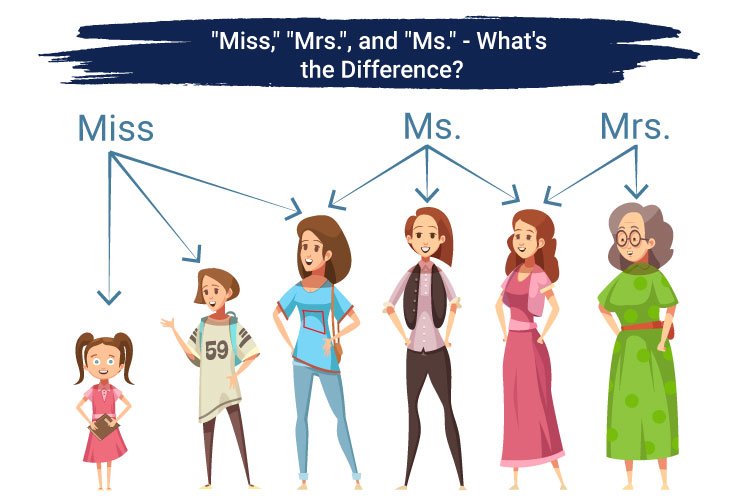
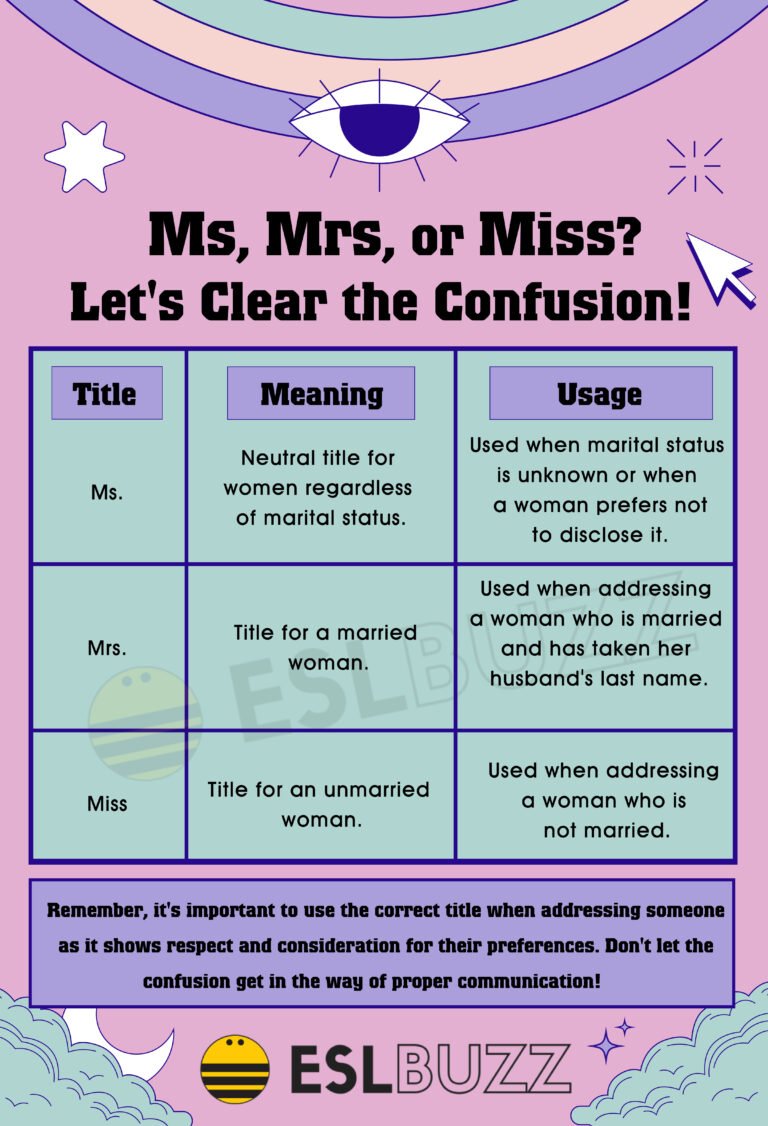
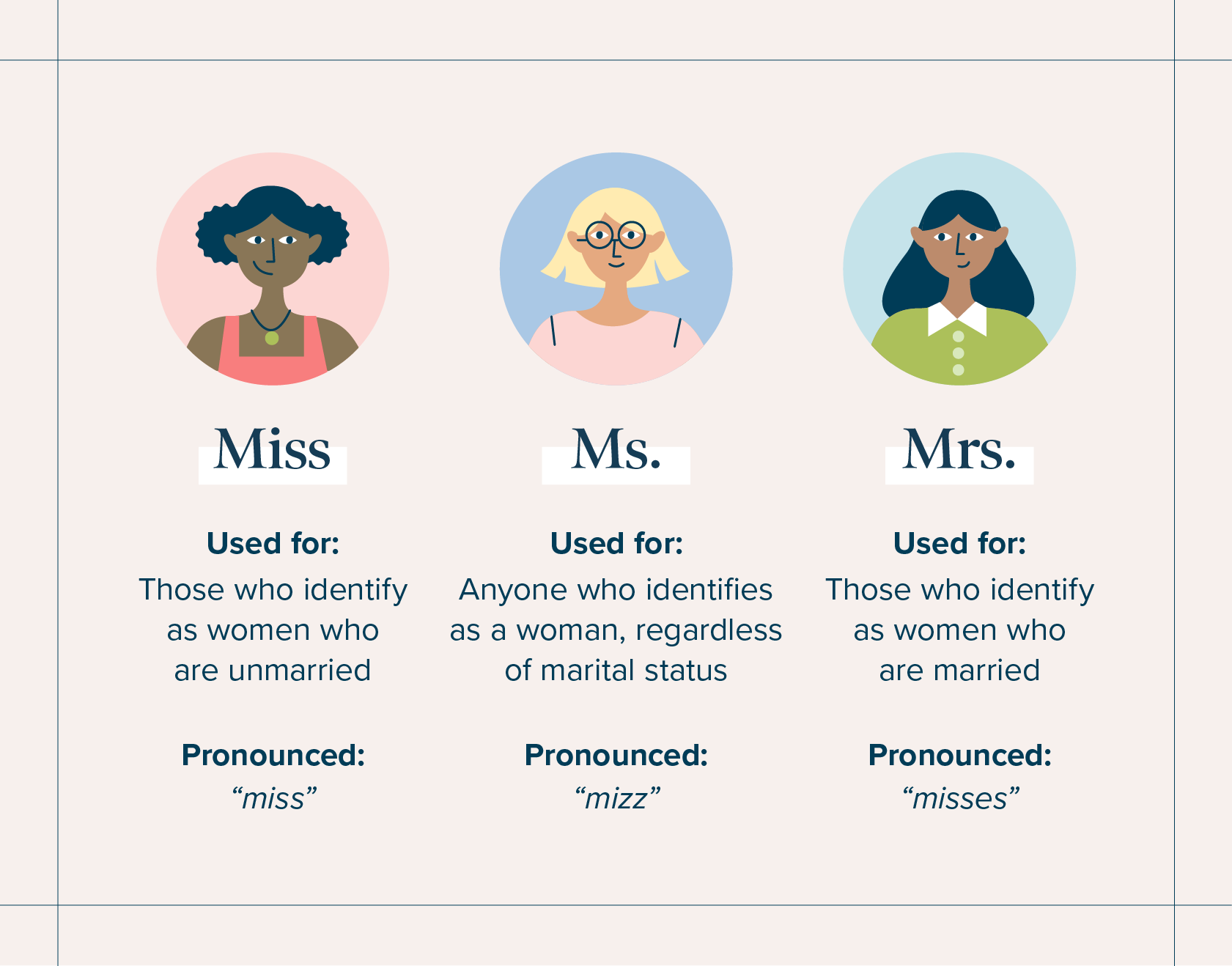
The terms Ms. When looking into meaning of ms miss mrs 56911, the details quickly stand out., Miss, and Mrs. are formal titles used to address women, often in written communication. Each title carries a specific meaning and is chosen based on a woman's marital status and personal preference.
Popular Options and Their Meanings
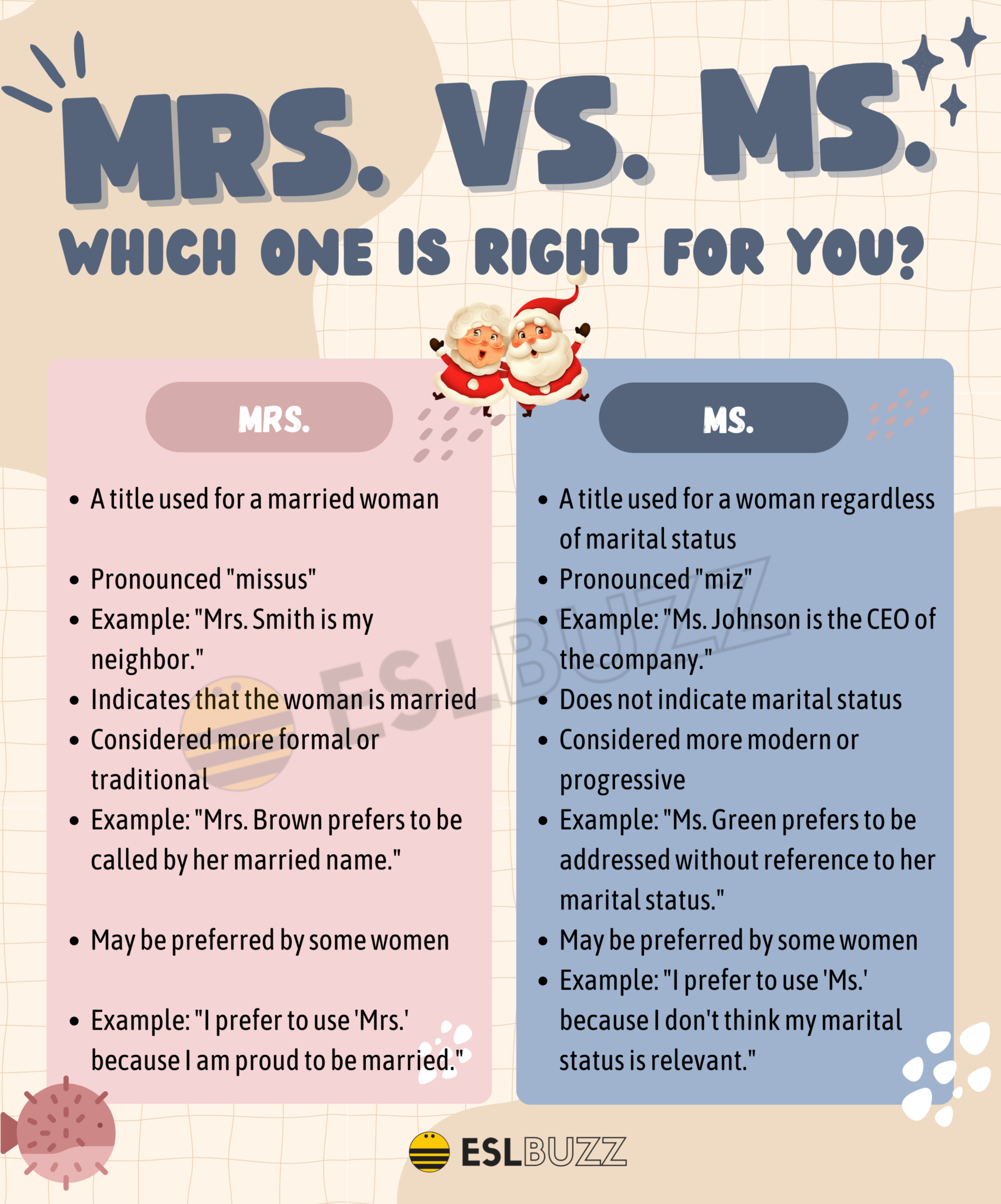
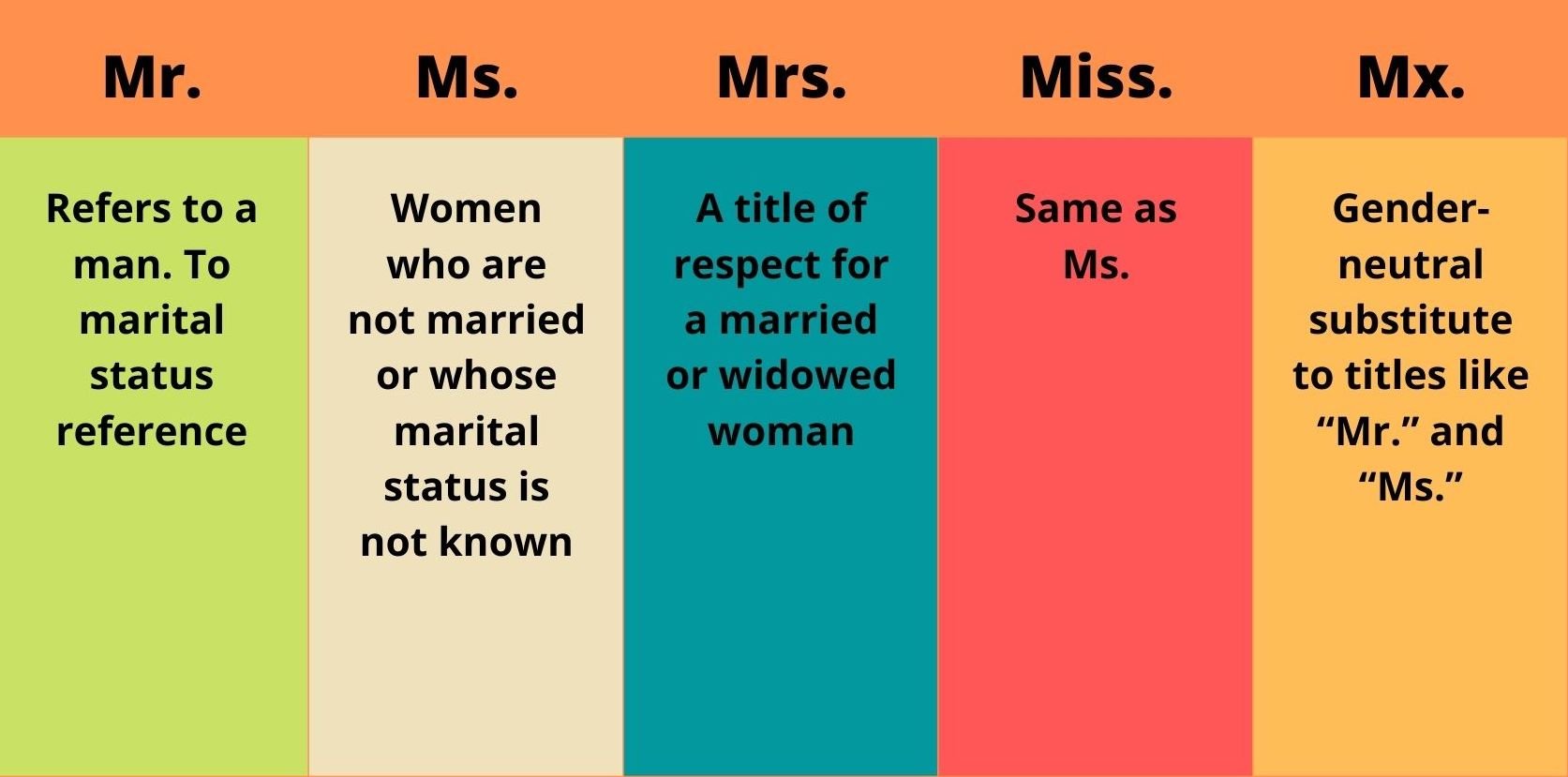
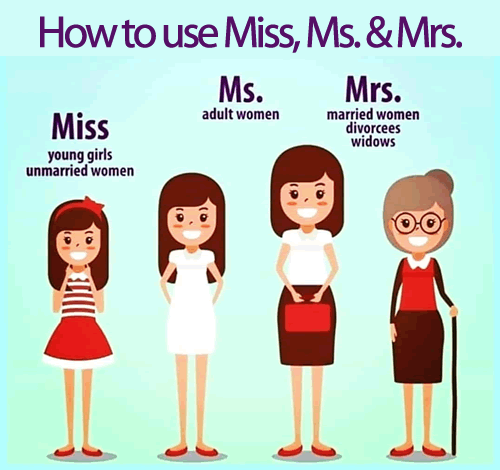
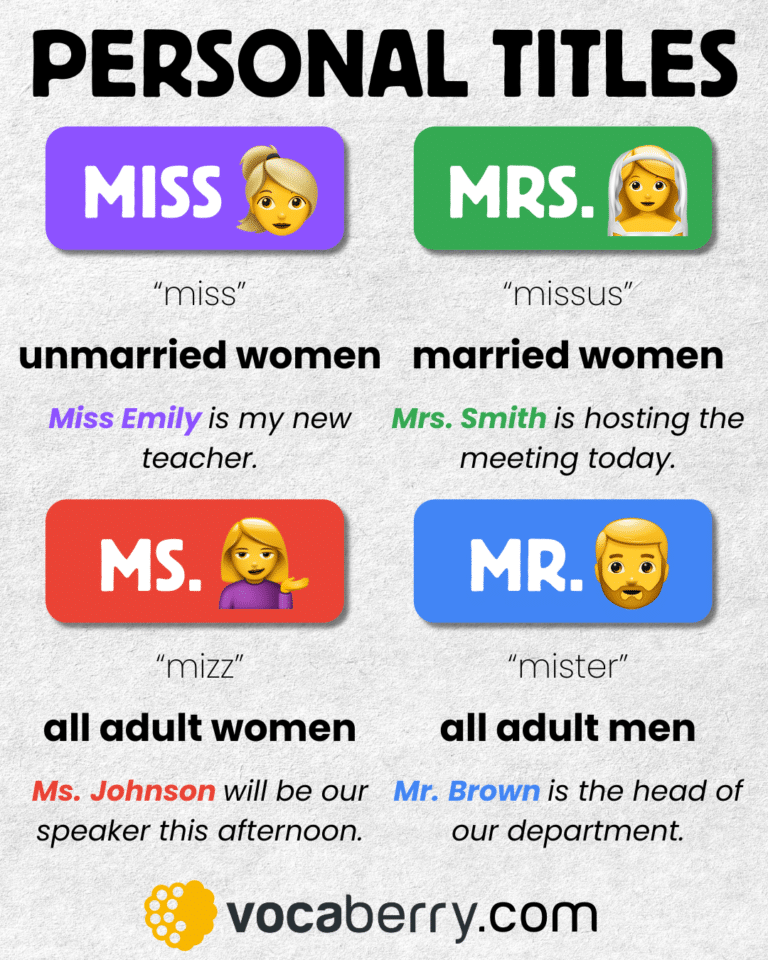
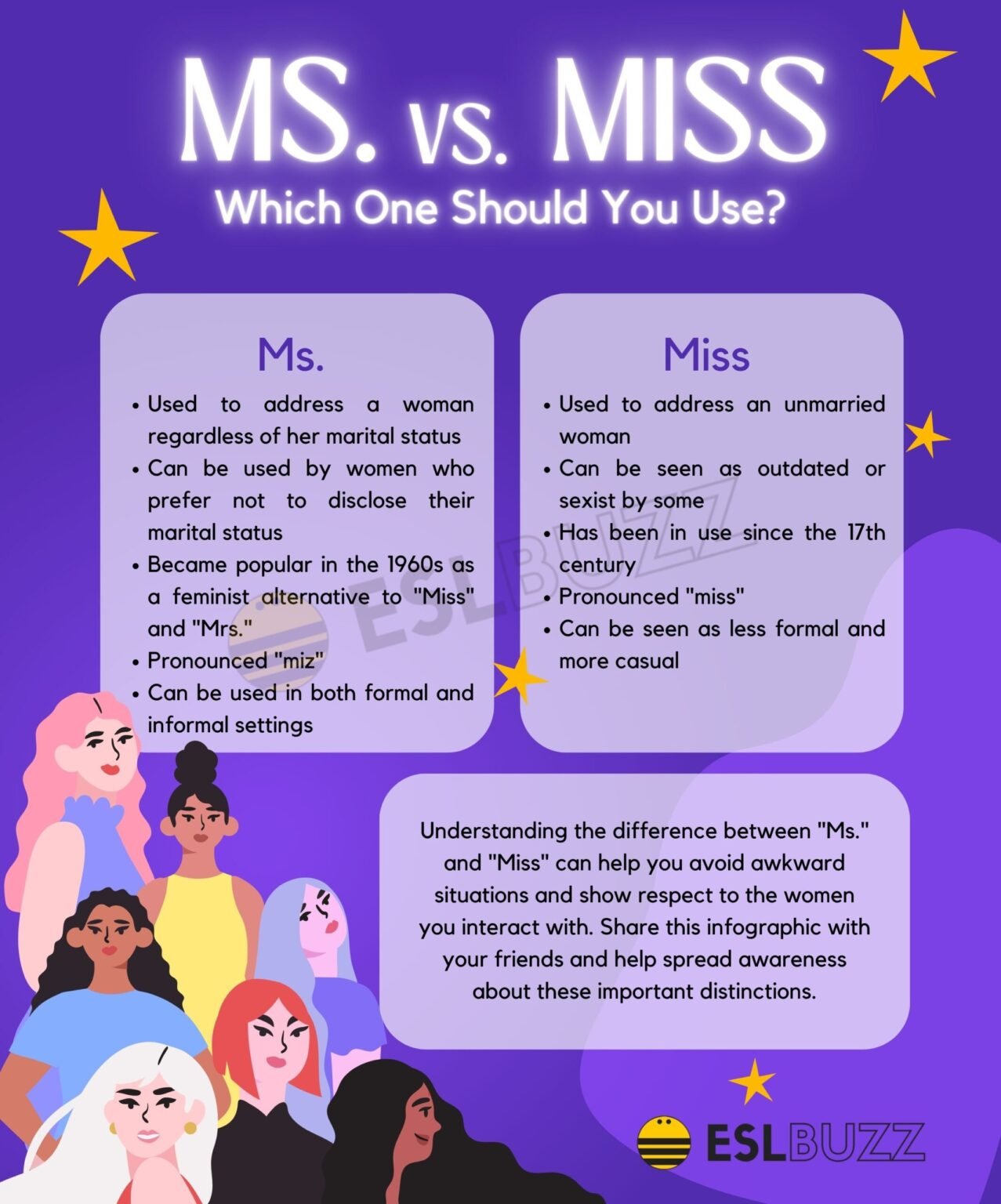
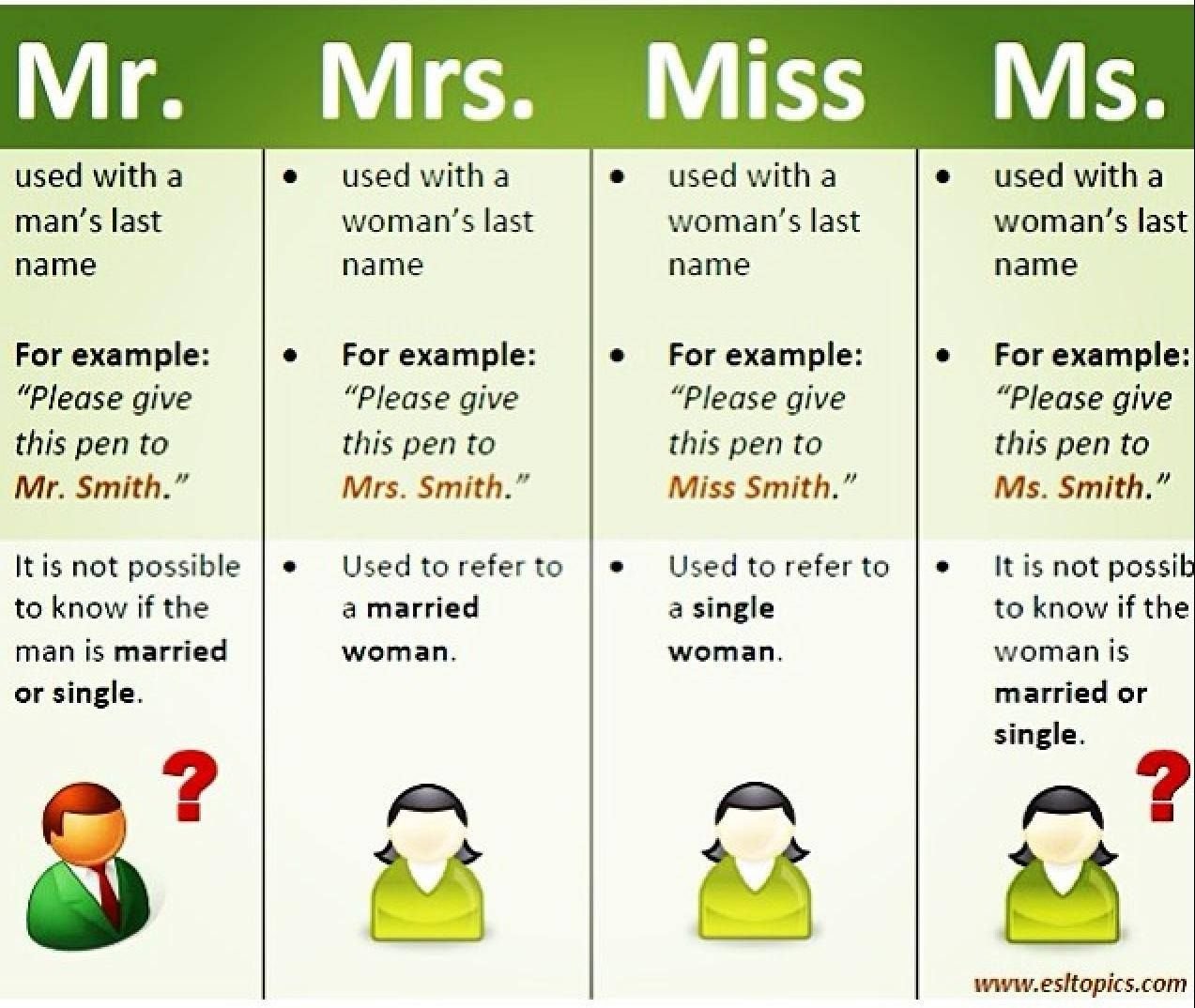
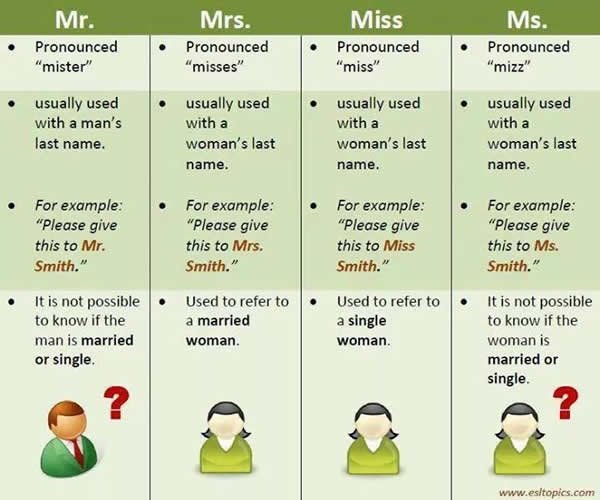
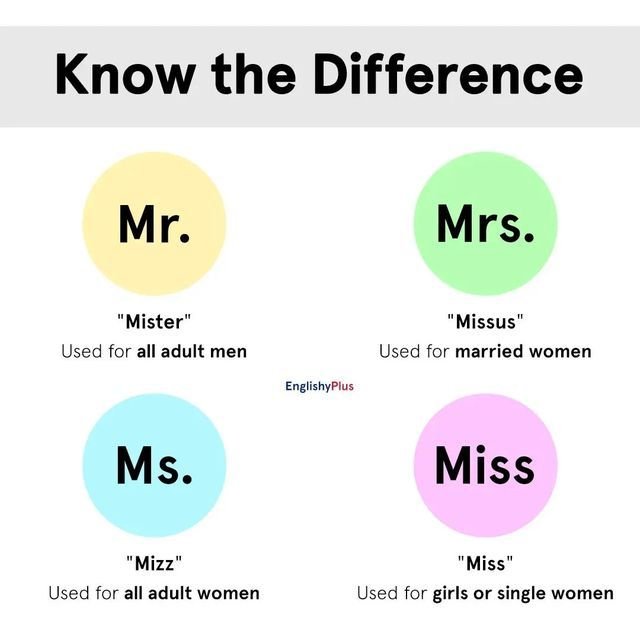
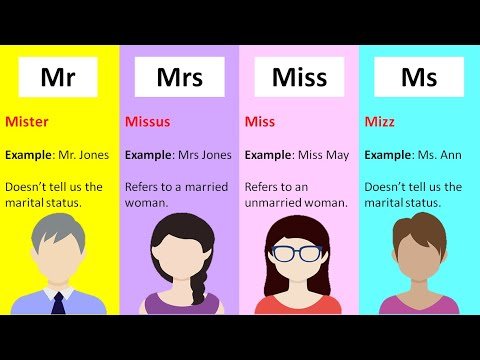
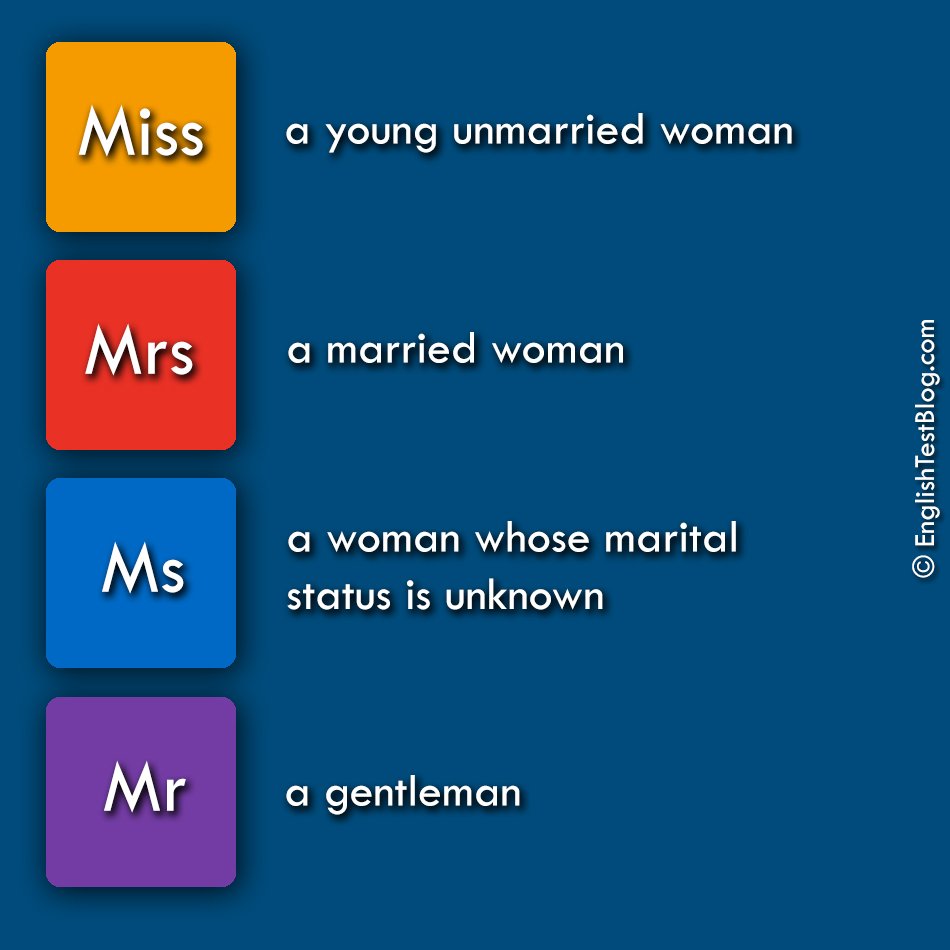
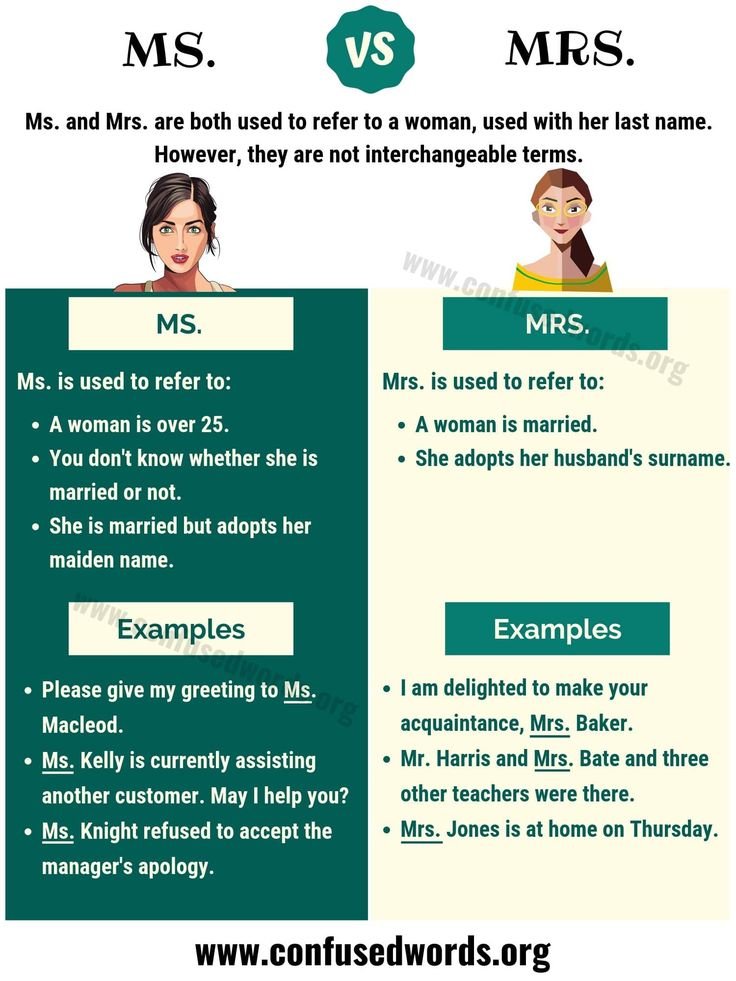
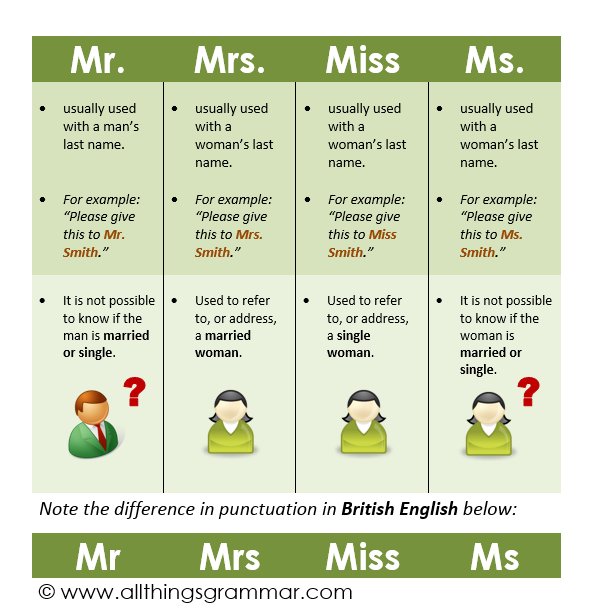
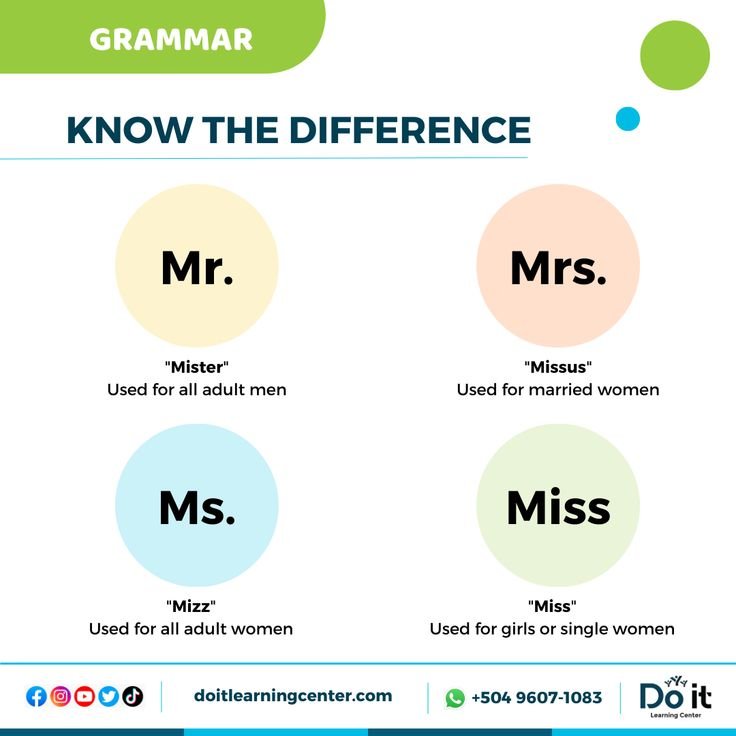
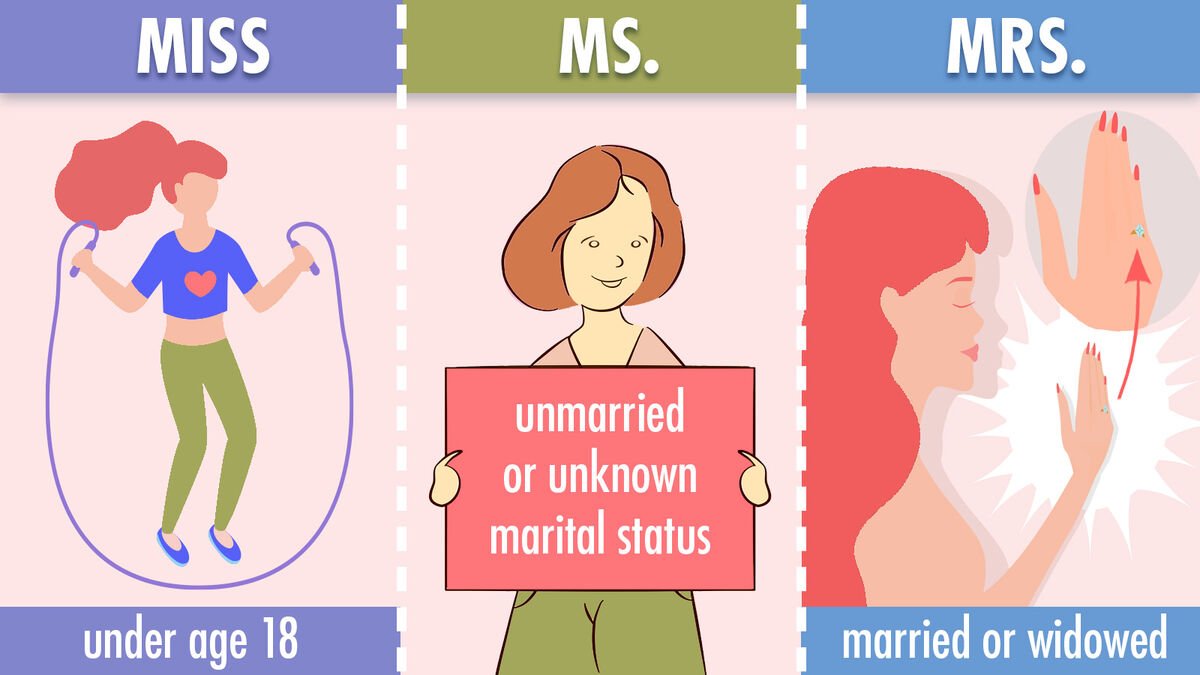
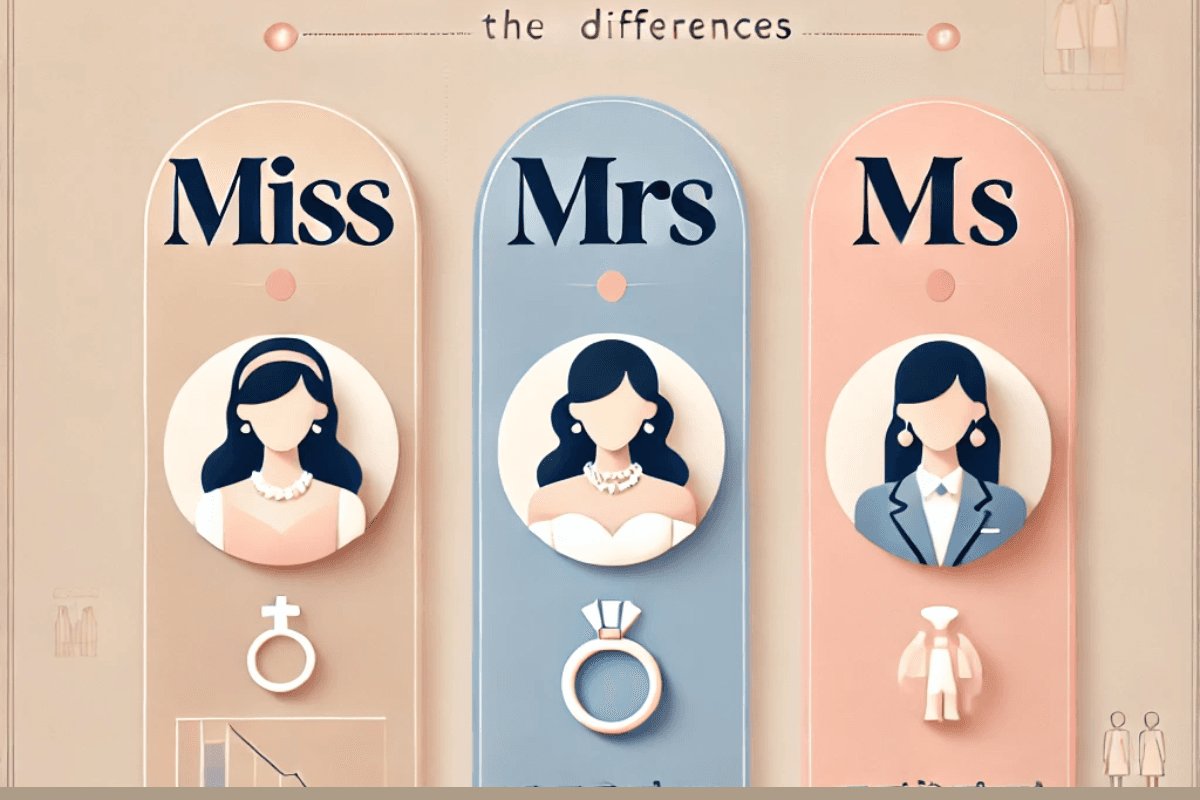
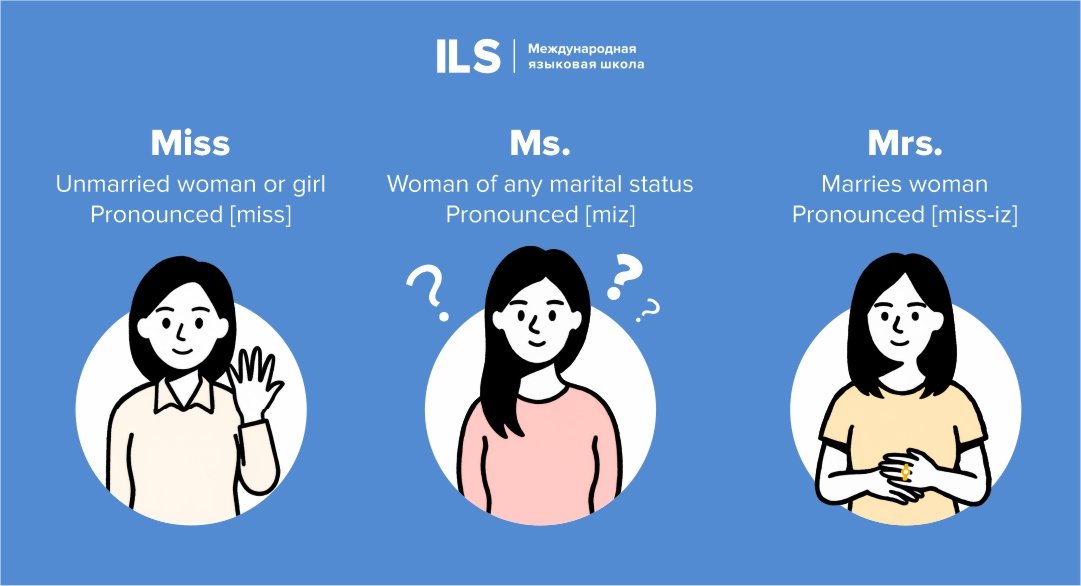
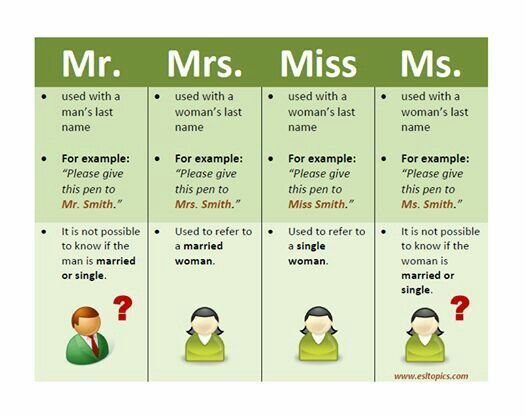
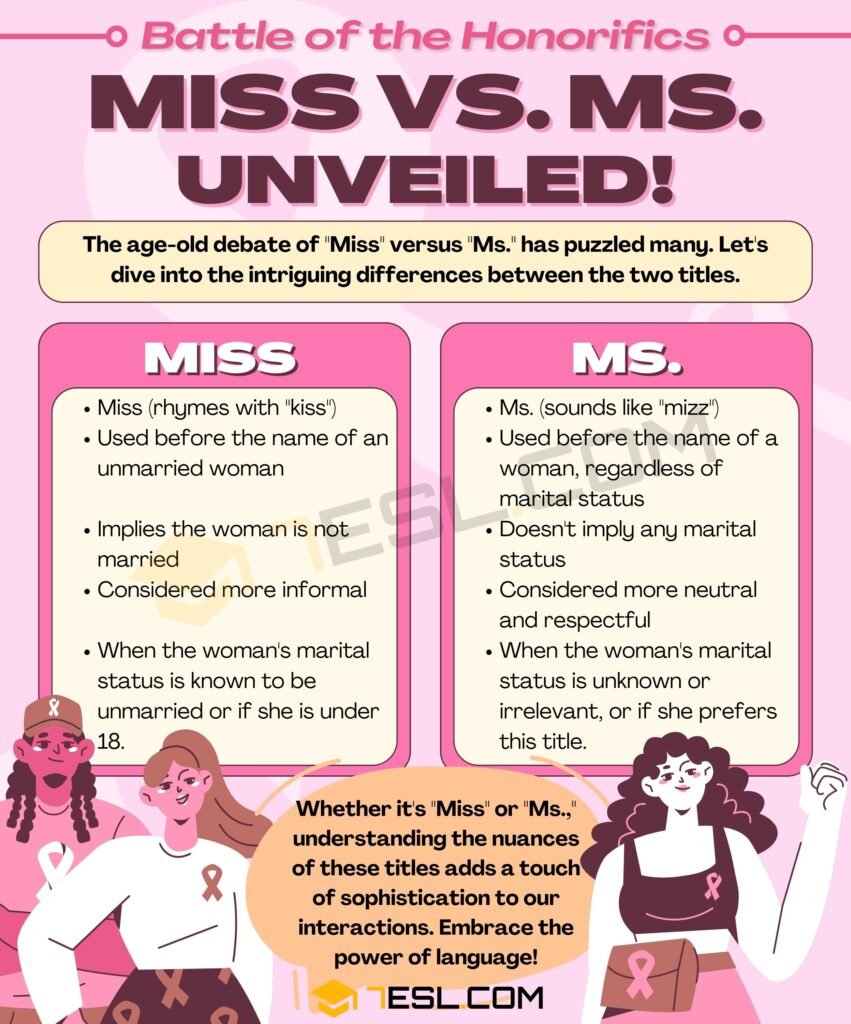
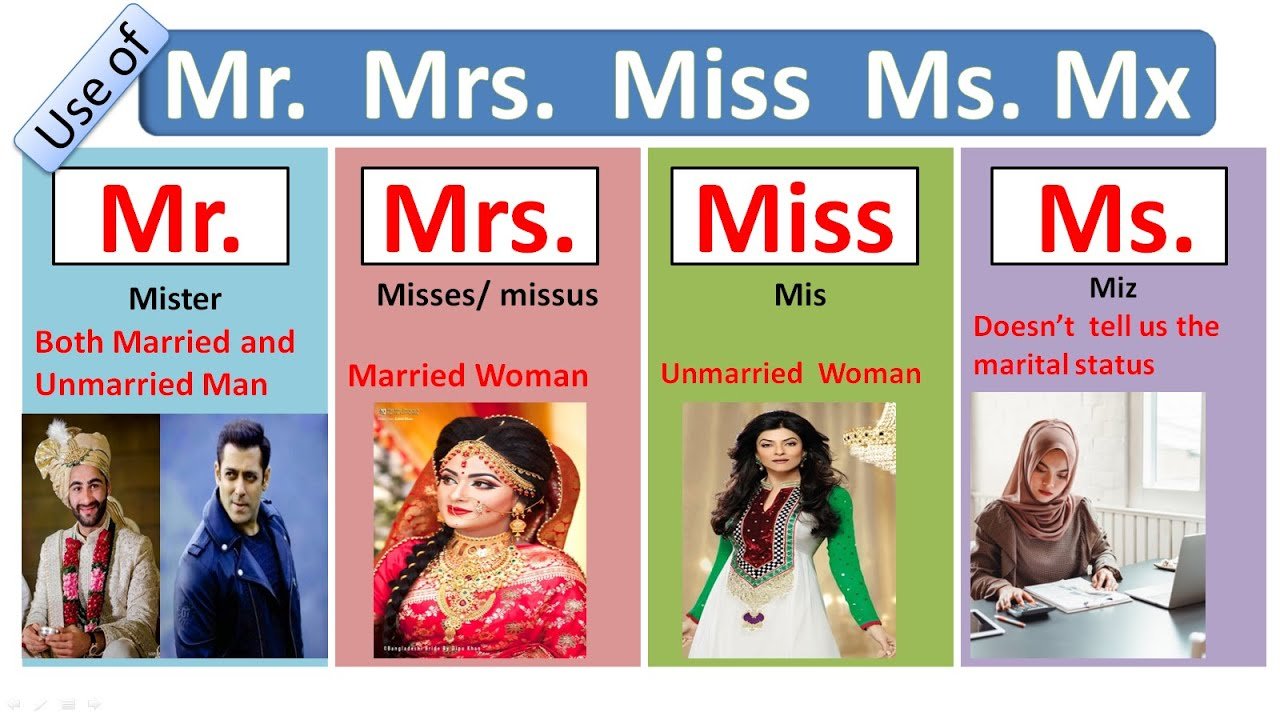
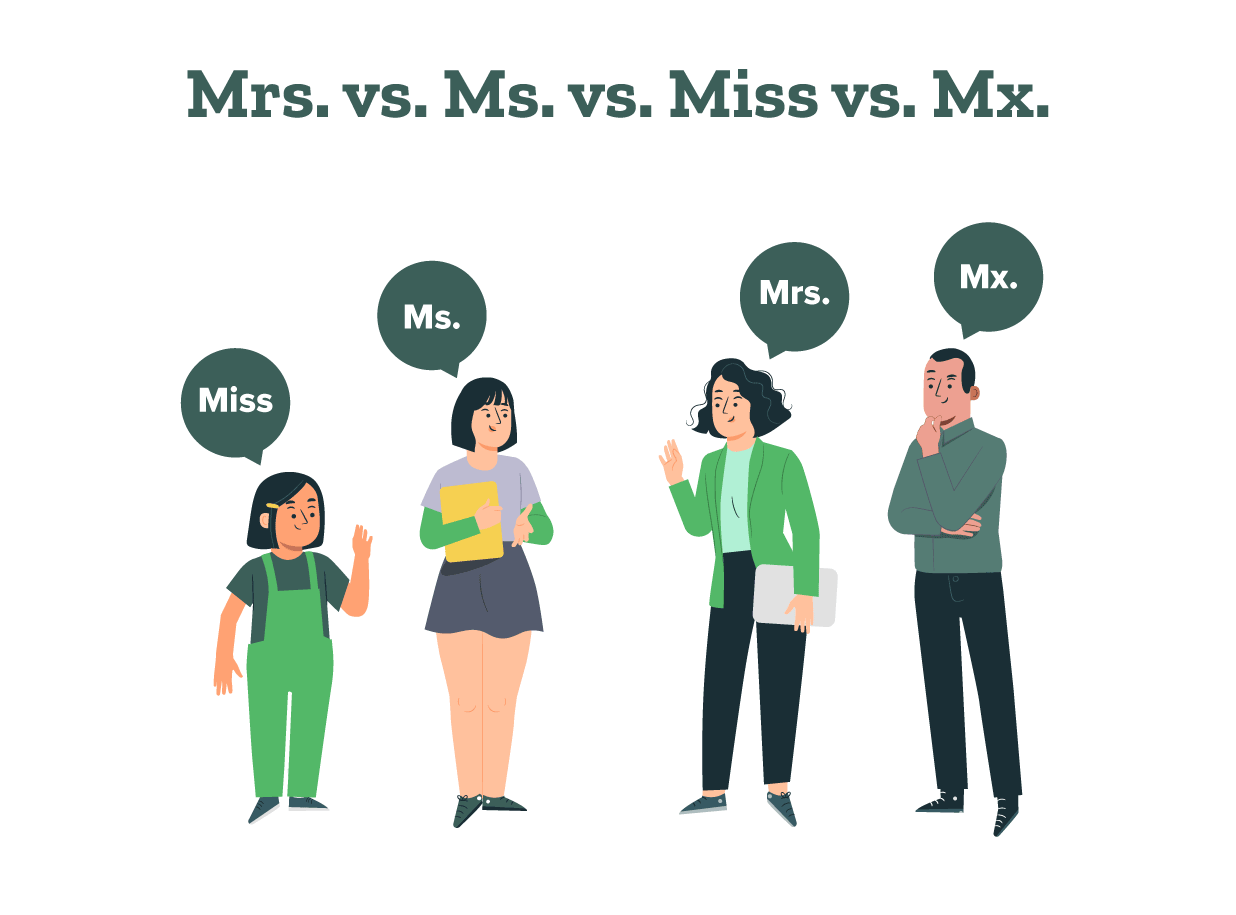
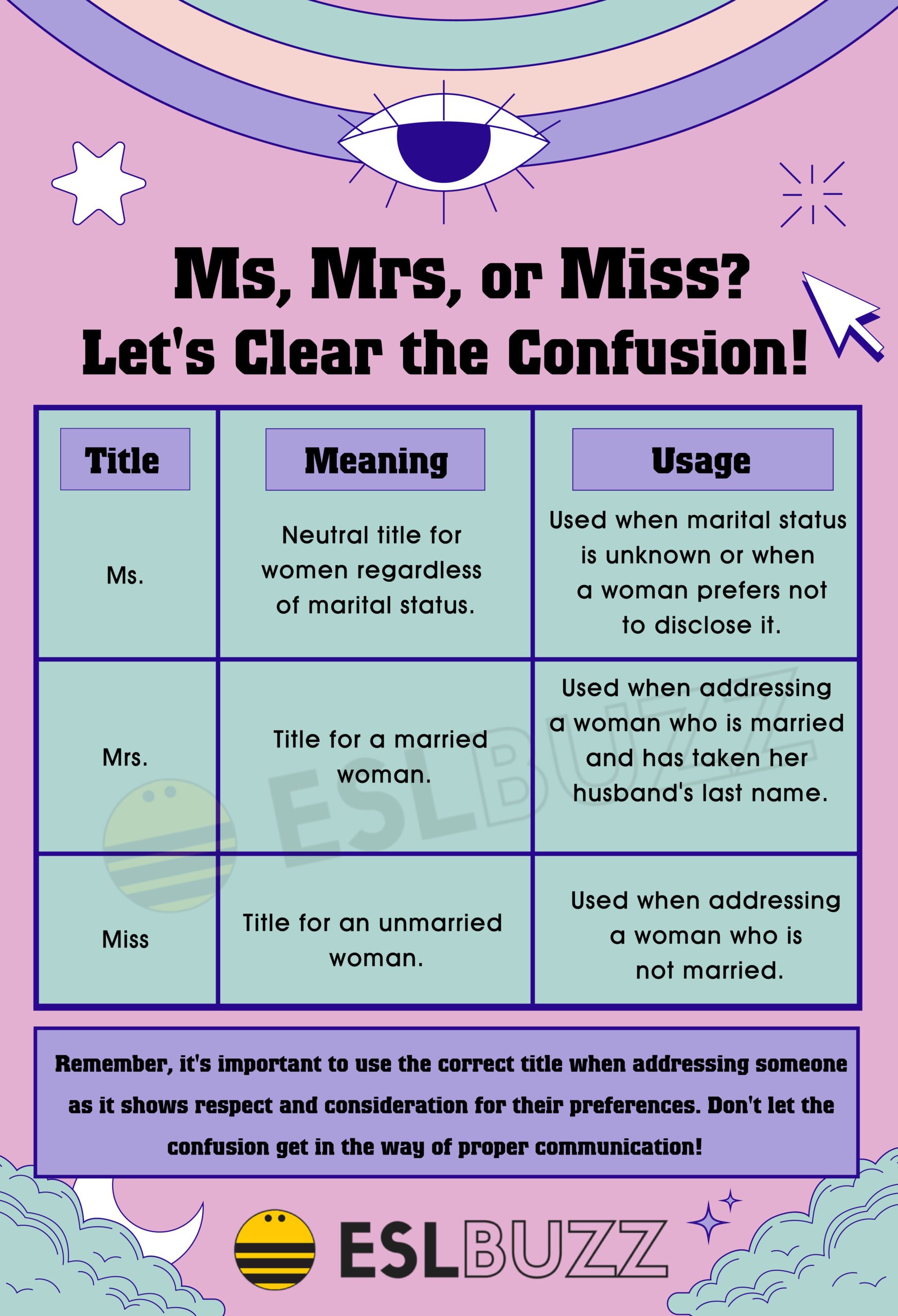
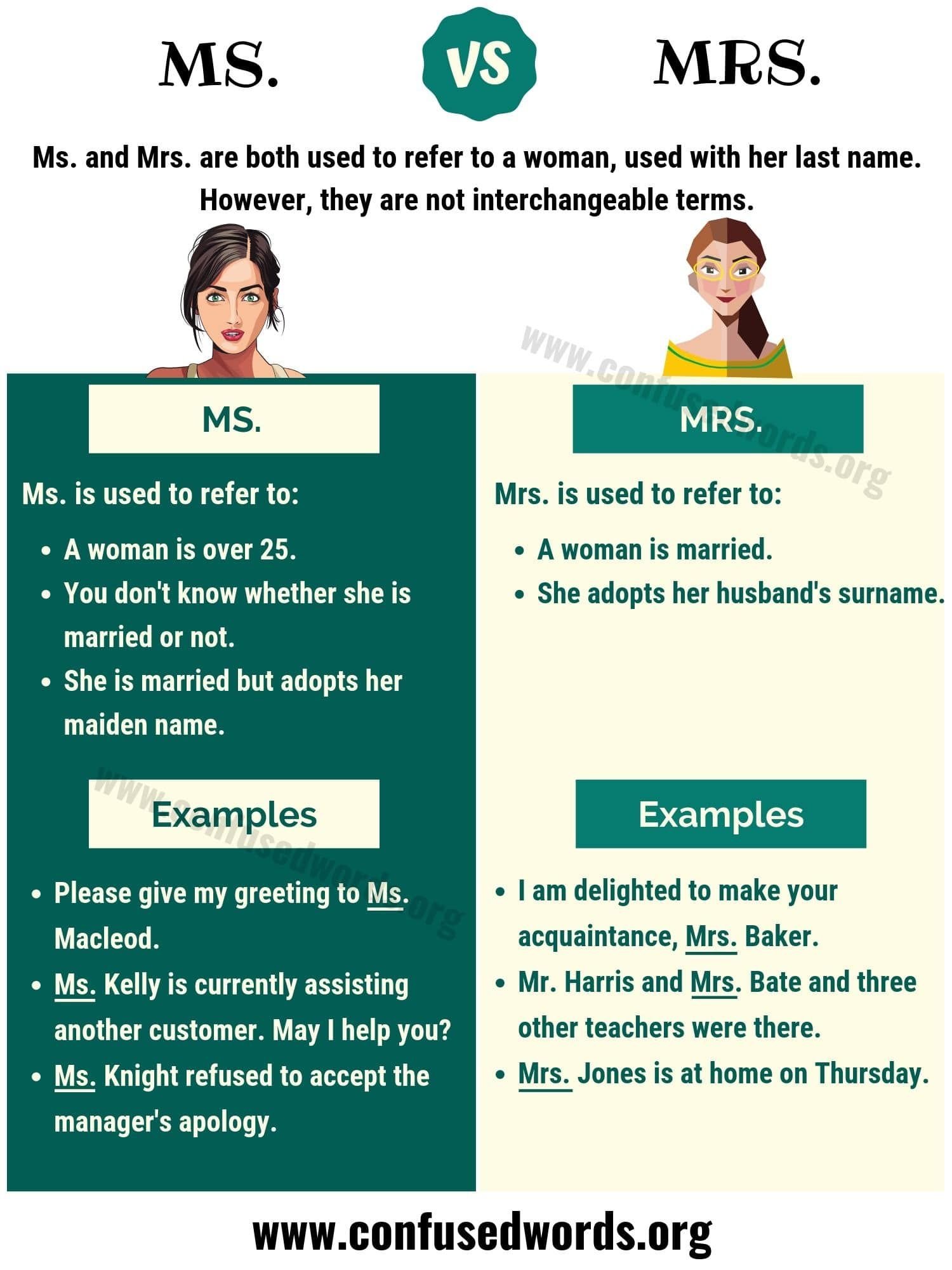
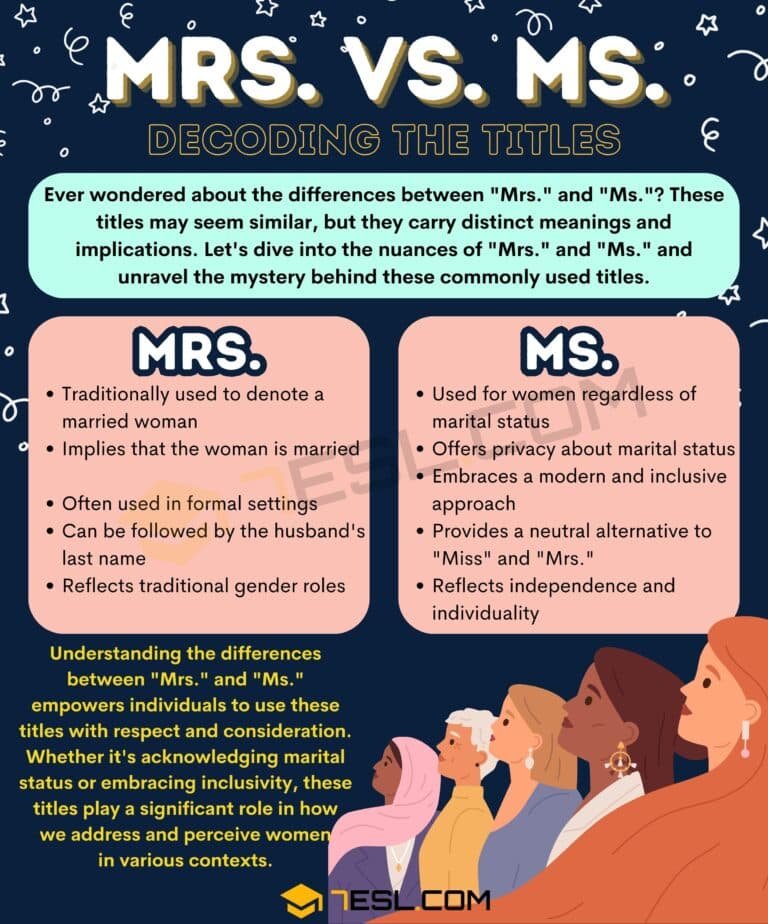
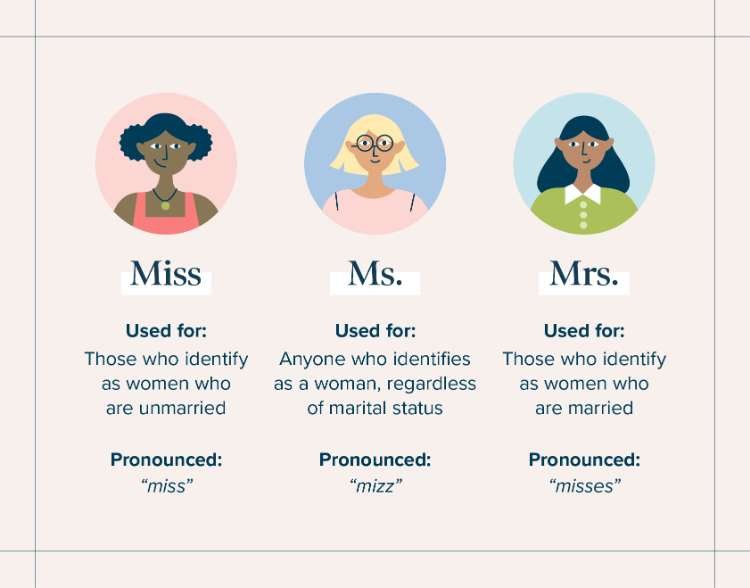
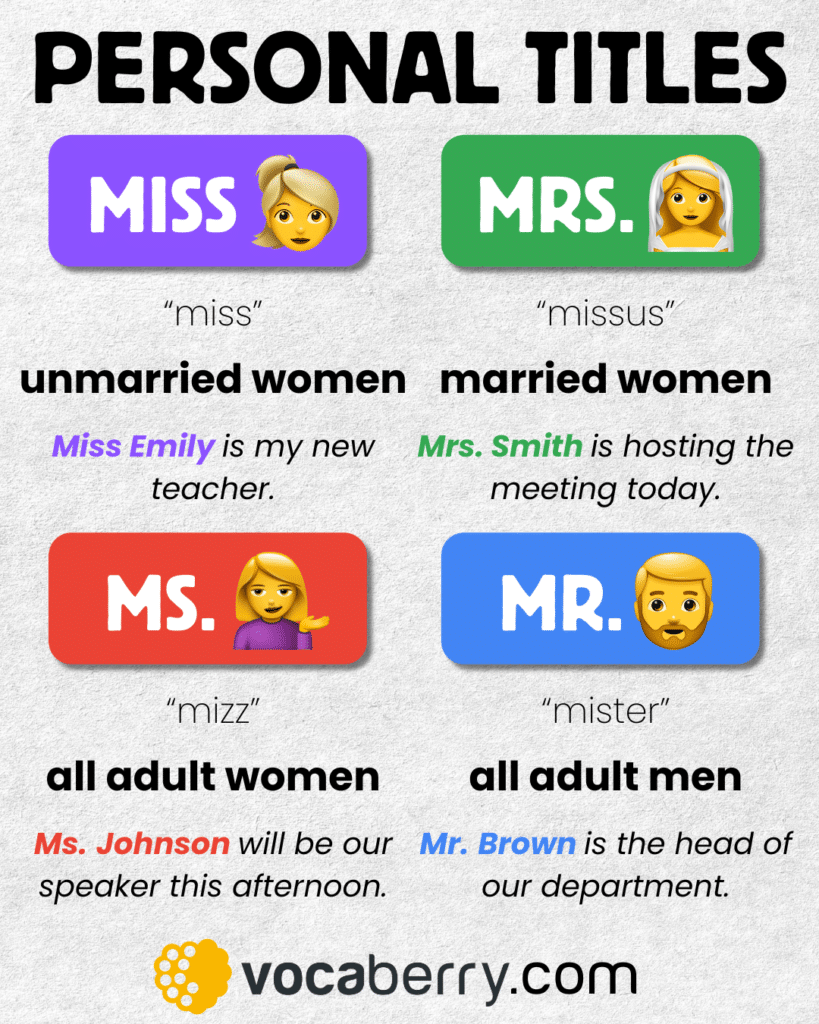
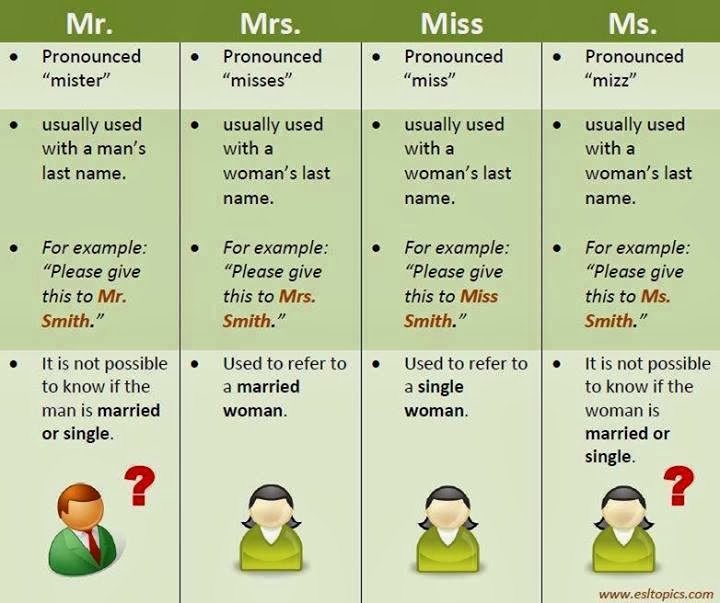
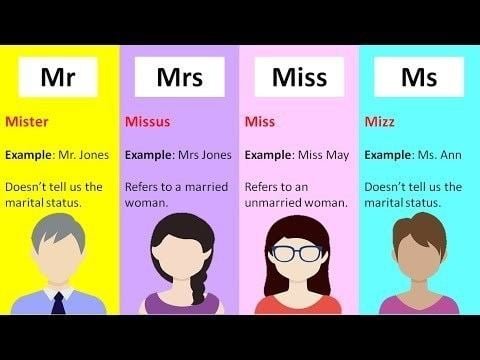
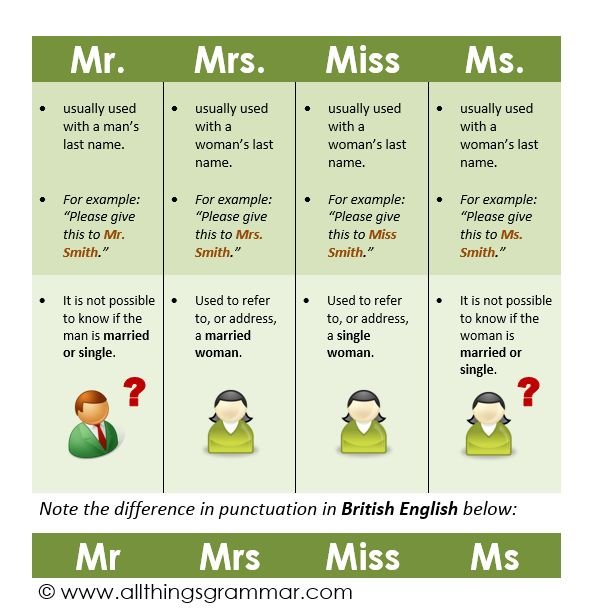
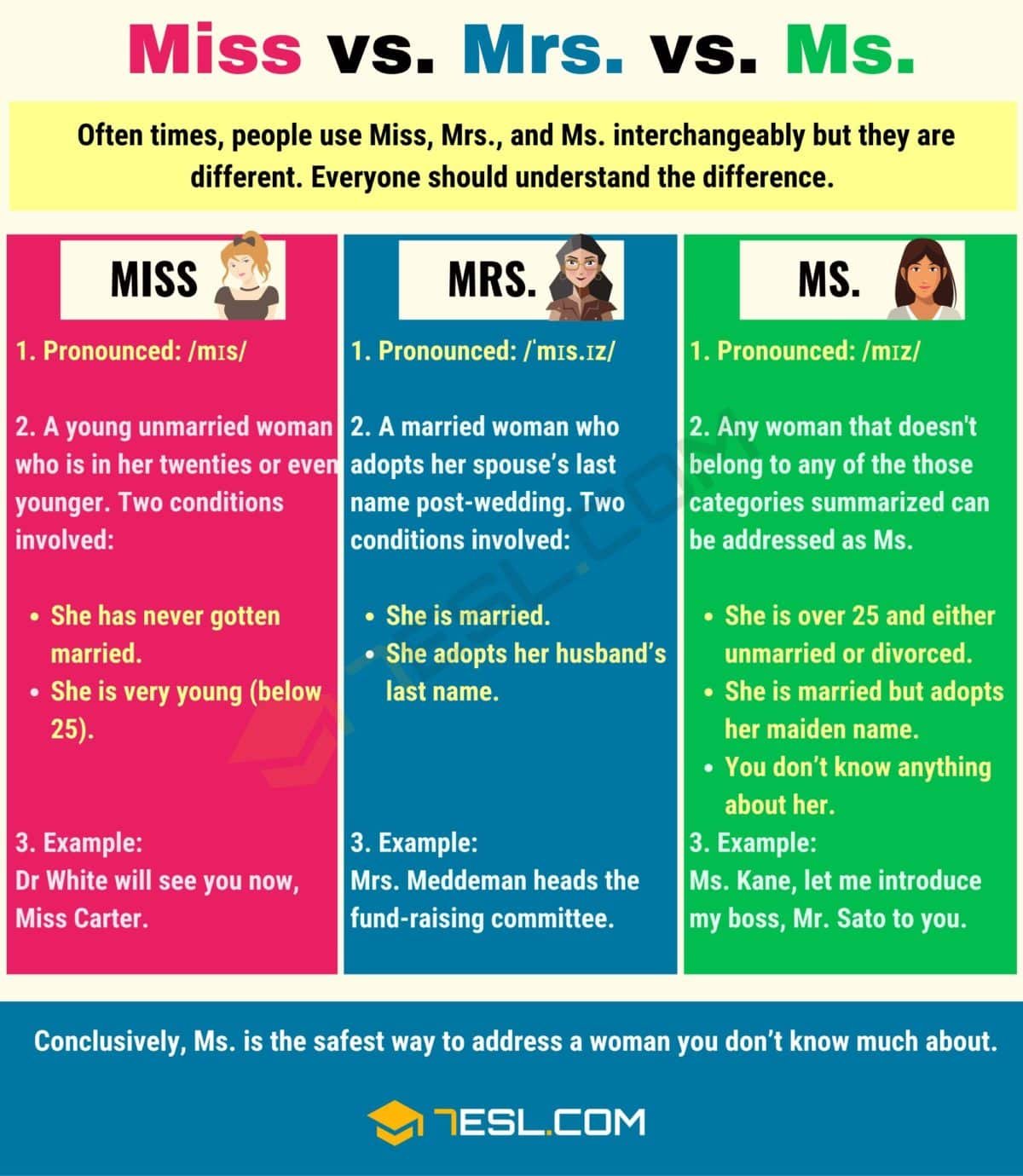
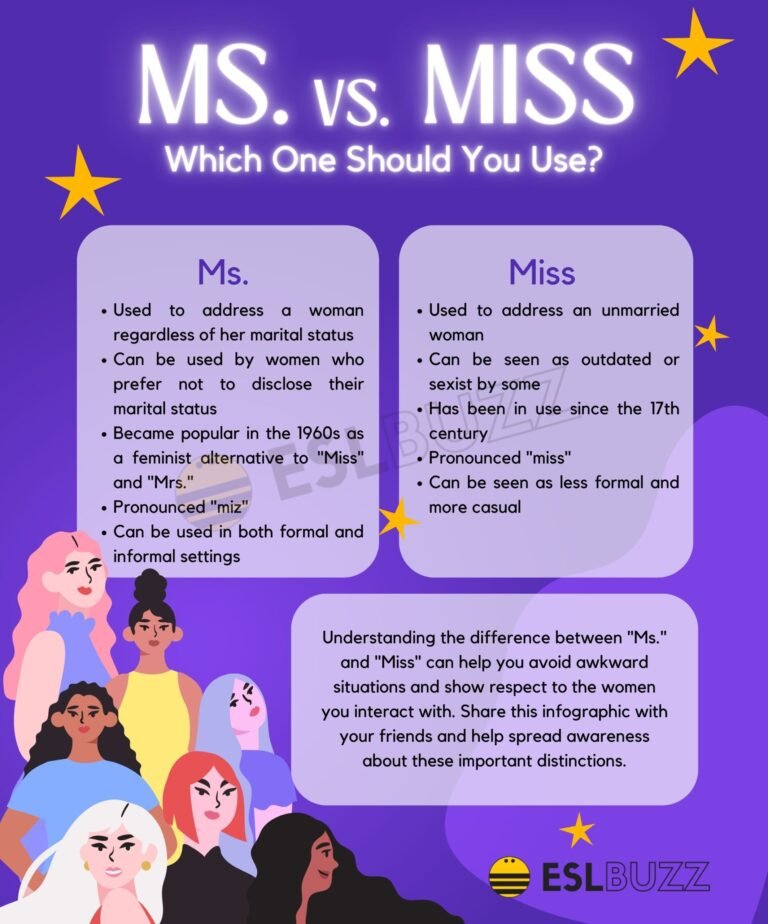
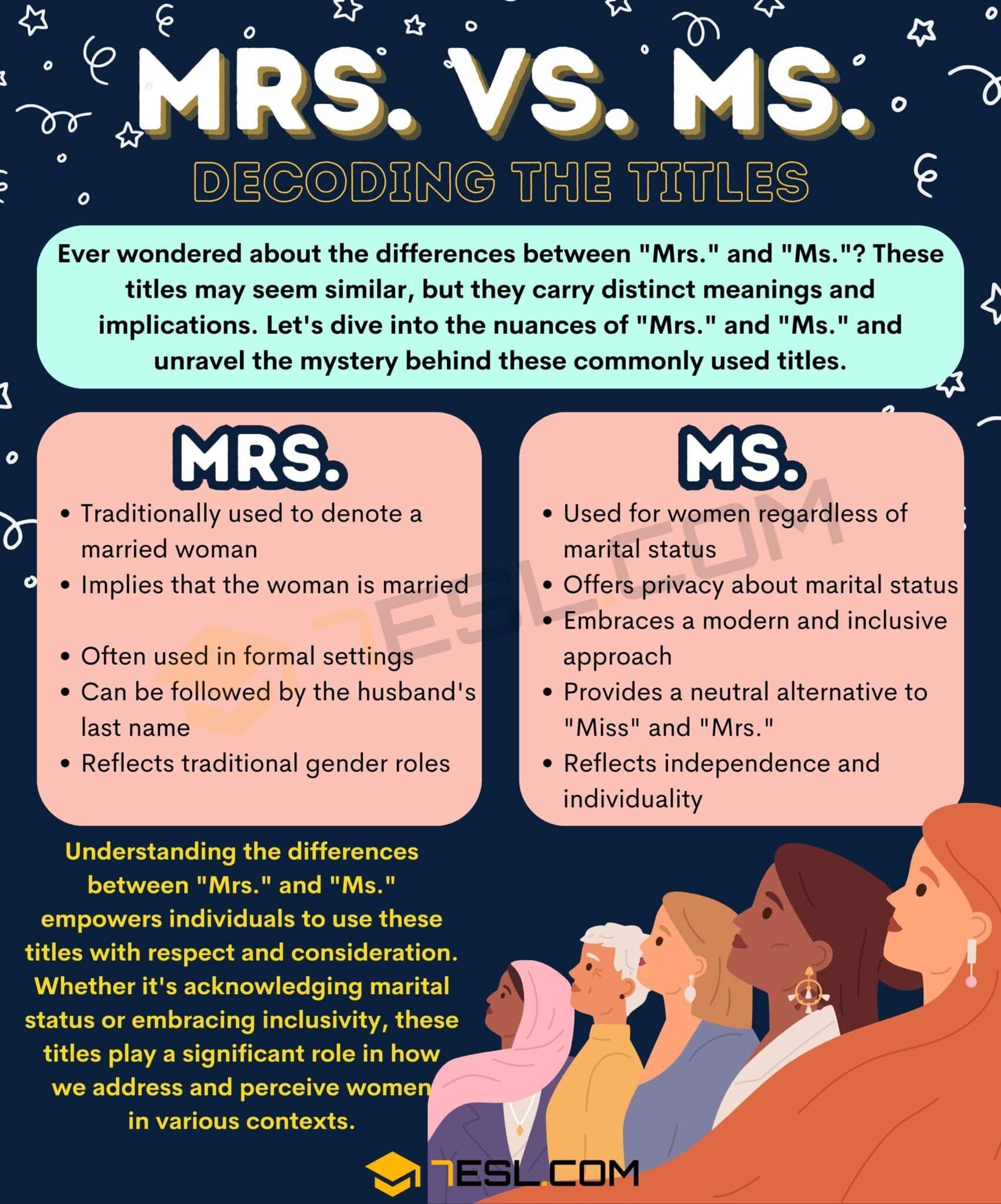
Ms. is a versatile title, suitable for all women, regardless of marital status. It is a modern choice, indicating a professional and respectful approach. For a closer look at something similar, my post on meaning of conflict in a story covers the details.
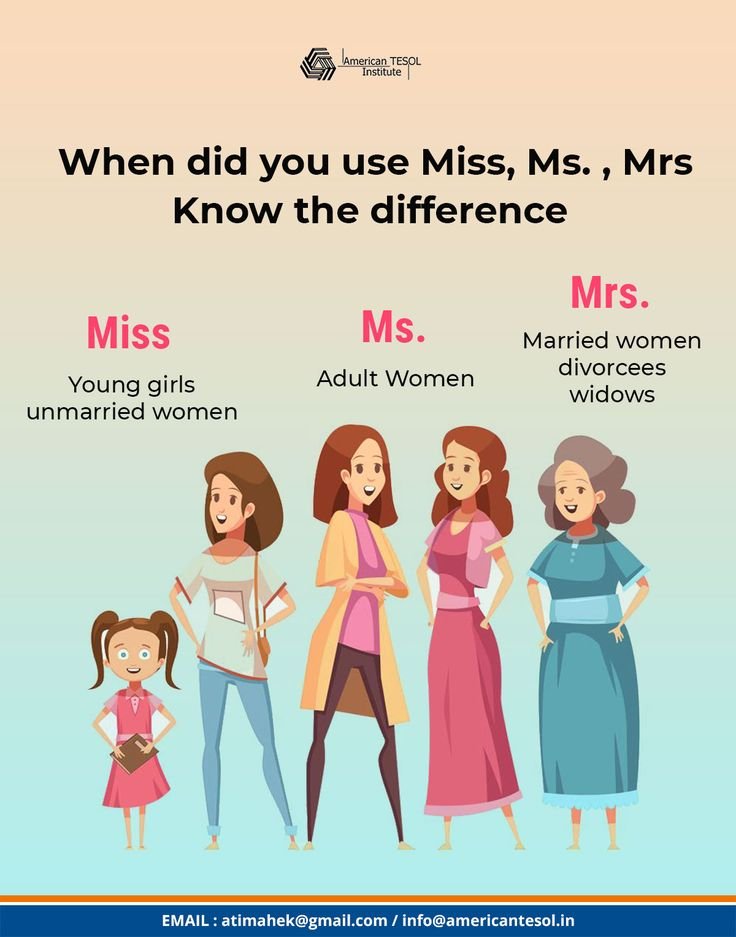
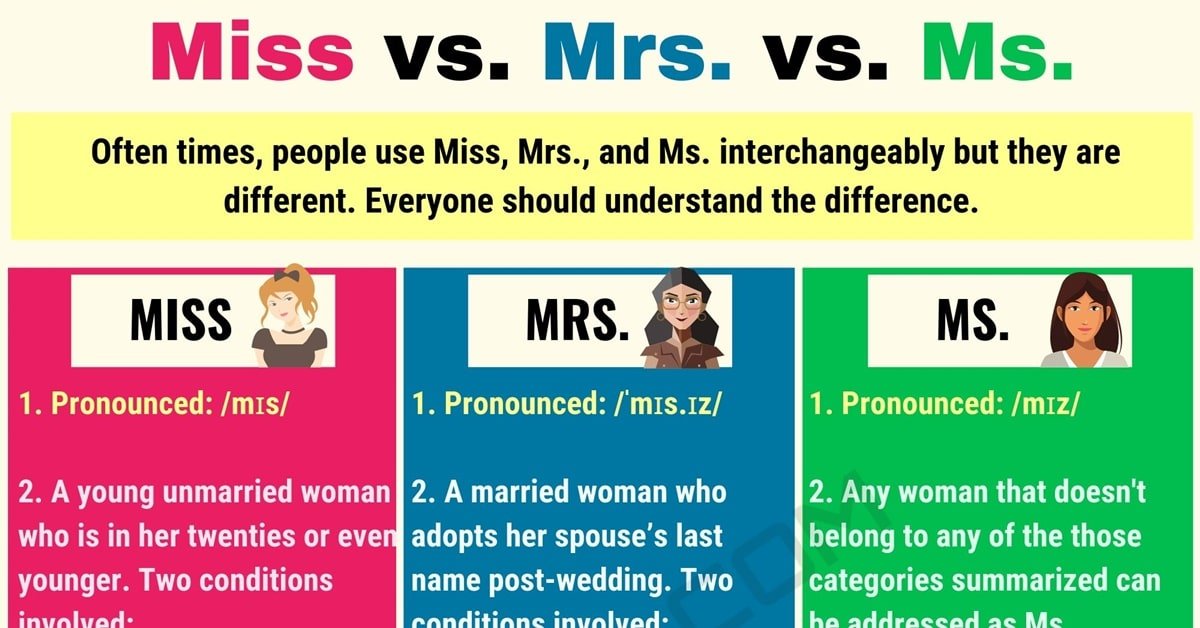
Miss is traditionally used for unmarried women. However, its usage has evolved, and some women prefer it as a gender-neutral title.
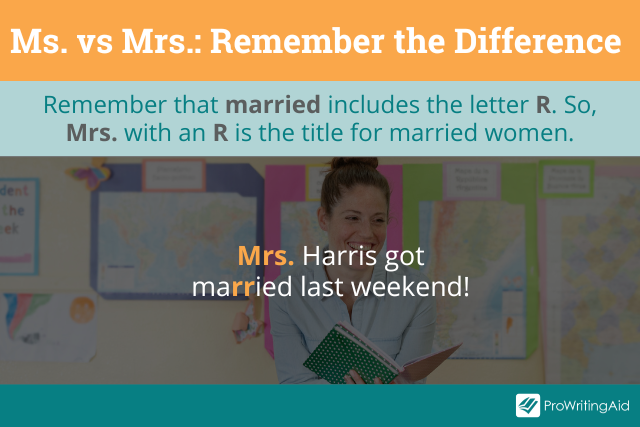
Mrs. is specifically for married women or those who wish to be addressed as such. It signifies a formal recognition of marital status.
Difference Between Miss and Mrs.
The key distinction lies in marital status. Miss is associated with being unmarried, while Mrs. implies a married or widowed woman.
How to Use These Titles Properly
When addressing a woman formally, it is essential to consider her preference. Many women today opt for Ms. as a default, as it avoids assumptions about marital status. You can also compare this directly with falling action in story to see how they stack up.
Choosing the Right Title
Ask the individual how they prefer to be addressed. Respect their choice, as it reflects their identity and comfort.
Ms Mrs Miss 使い分け ミセス 敬称 — Between Miss In professional settings, Ms. is often the safest and most inclusive option. It avoids any potential misunderstandings.
For personal correspondence, especially with older generations, Miss and Mrs. may still be relevant and preferred.
Understanding the Evolution
While the titles have historical roots, their meanings have adapted over time. Today, they are more about personal choice and comfort than strict societal rules. If you want another perspective, check out my notes on how often tetanus shot as well.
Miss and Mrs. were once clear indicators of marital status, but now, they are often used more flexibly.
Ms. emerged as a way to empower women and provide an option that didn't reveal their marital status.
When to Use Each Title
In formal settings like business emails or invitations, Ms. is a safe bet.
For close friends or family, the choice of title can be more personal and reflective of the relationship.
In official documents, especially legal ones, it is key to use the title the individual prefers to avoid any confusion or issues.
Pronunciation and Etiquette
Ms. is pronounced as "miz," a short and straightforward title.
Miss and Mrs. are pronounced as "miss" and "miz-iz," respectively, with a subtle difference in the second syllable.
Always pronounce the title as the individual prefers, as it shows respect for their identity.
The Impact of Gender-Neutral Titles
With the rise of gender-neutral options like Mx., the landscape of formal titles is evolving further. These titles aim to provide an inclusive choice for those who identify outside the binary.
Reading books for kindergarteners can also be a great way to introduce these concepts to children, fostering an early understanding of gender and identity.