Coughing is a natural reflex that helps clear the airways of irritants, but a persistent cough can be uncomfortable and disrupt daily life. The choice of medicine for a cough depends on the underlying cause, which can range from a simple cold to a more serious condition like bronchitis or asthma. Understanding the different types of coughs and the various over-the-counter (OTC) and prescription medications available is crucial for effective treatment.
Types of Coughs
- Acute Cough: Lasts less than three weeks, often due to a common cold or flu.
- Subacute Cough: Persists for three to eight weeks, possibly due to a postnasal drip or bronchitis.
- Chronic Cough: Lasts more than eight weeks, which can be due to conditions like asthma, gastroesophageal reflux disease (GERD), or chronic obstructive pulmonary disease (COPD).
Over-the-Counter (OTC) Medications
For many coughs, especially those caused by colds or flu, OTC medications can provide relief. These include:
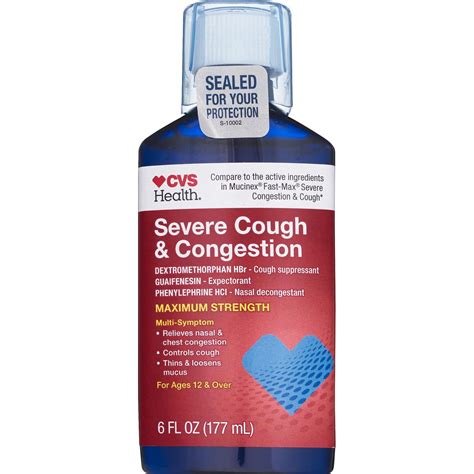
Cough Suppressants (Antitussives): Such as dextromethorphan, which helps reduce the cough reflex. They are often found in cough medicines and are used to relieve dry, hacking coughs.
Expectorants: Like guaifenesin, these help thin mucus, making it easier to cough up. They are beneficial for productive coughs where mucus is present.
Combination Products: Many OTC cough and cold medicines combine a cough suppressant with an expectorant, along with other ingredients to relieve runny nose, sneezing, and congestion.
Prescription Medications
For coughs that are more severe or caused by underlying conditions, prescription medications may be necessary. These include:
Bronchodilators: For coughs associated with asthma or COPD, these medications help open up the airways to improve breathing.
Inhaled Corticosteroids: Used for long-term control of asthma, these reduce inflammation in the airways, which can help reduce coughing.
Antihistamines and Decongestants: While primarily used for allergies, in some cases, they can help relieve postnasal drip, which can cause coughing.
Antibiotics: If the cough is caused by a bacterial infection, such as pneumonia, antibiotics may be prescribed. However, they are ineffective against viral infections, which are the cause of most coughs.
Natural and Home Remedies
In addition to or instead of medication, several natural remedies and home treatments can help soothe a cough:
Stay Hydrated: Drinking plenty of fluids, such as water, tea, or soup, helps thin out mucus, making it easier to expel.
Honey: Often used in warm tea or as a spread, honey has antimicrobial properties and can help soothe a sore throat.
Salt Water Gargle: Gargling several times a day with warm salt water can reduce swelling in the throat and loosen mucus.
Steam Inhalation: Breathing in steam from a bowl of hot water or a steam inhaler can help ease congestion.
When to Seek Medical Attention
While many coughs can be managed with OTC medications and home remedies, there are instances where medical attention is necessary. These include:
- A cough that lasts more than eight weeks.
- Coughing up blood or rust-colored mucus.
- Difficulty breathing or shortness of breath.
- Chest pain or severe fatigue.
- Fever over 102°F (39°C).
It’s crucial to consult with a healthcare professional to determine the underlying cause of the cough and the most appropriate treatment plan. They can provide guidance on the best course of action, whether it be medication, lifestyle changes, or further testing to diagnose the cause of the cough.
What are the most common causes of a persistent cough?
+Persistent coughs can be caused by a variety of factors including, but not limited to, postnasal drip, asthma, gastroesophageal reflux disease (GERD), chronic obstructive pulmonary disease (COPD), and in some cases, environmental factors like exposure to allergens or irritants.
How do I know whether I need a cough suppressant or an expectorant?
+If your cough is dry and unproductive, a cough suppressant might be more suitable. However, if your cough is productive, bringing up mucus, an expectorant can help make the mucus thinner and easier to expel.
Can I give my child over-the-counter cough medicine?
+Always consult with a pediatrician before giving any medication to a child. The American Academy of Pediatrics advises against giving OTC cough and cold medicines to children under the age of 4, and their use in older children should be carefully considered and monitored.
Understanding the cause of a cough and selecting the right treatment approach is key to relieving symptoms and addressing the underlying condition. Whether through medication, lifestyle adjustments, or a combination of both, finding the right balance can lead to a quicker recovery and improved quality of life.