









Understanding Normal Cortisol Levels
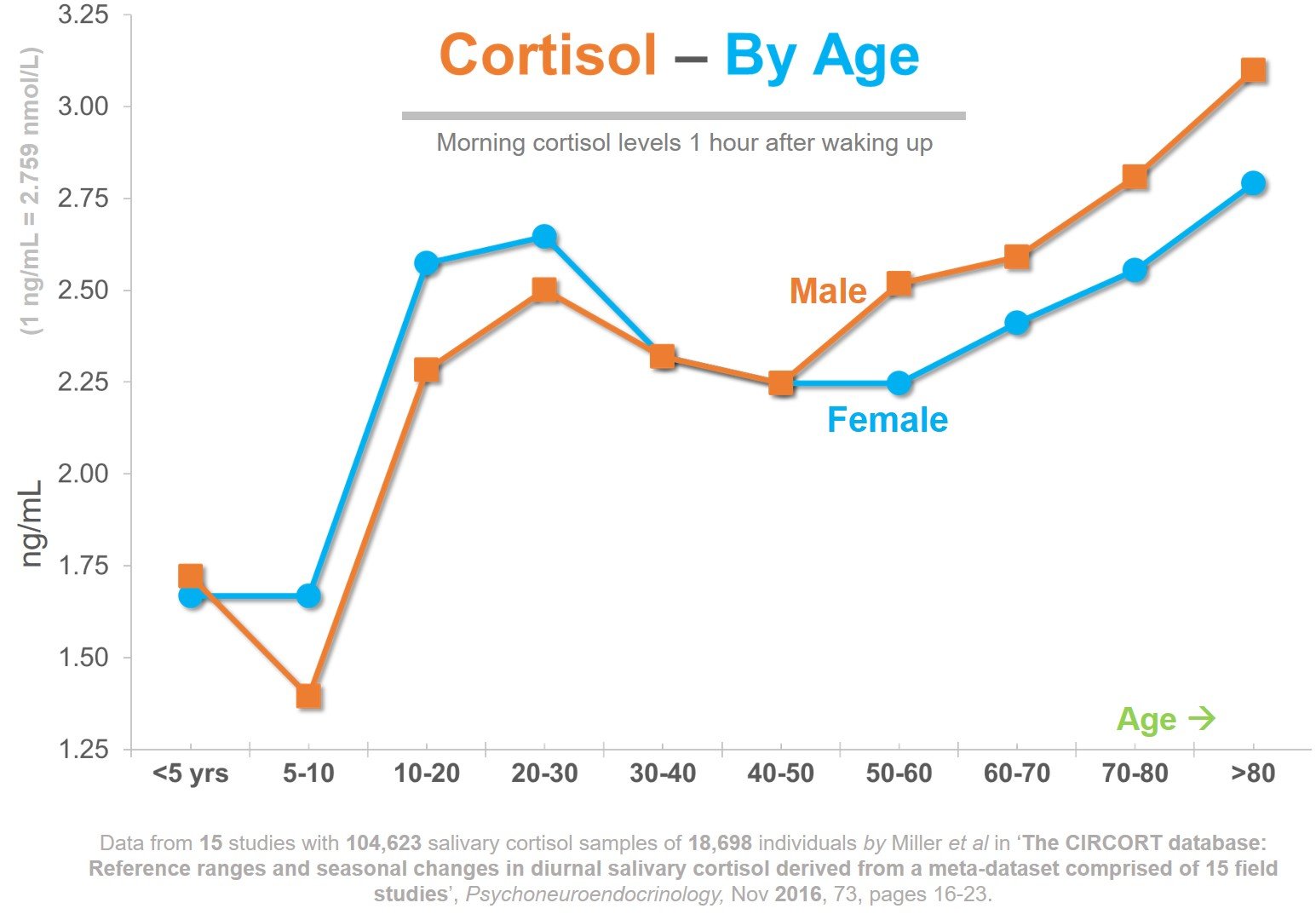
Cortisol levels vary depending on factors like age, sex, and time of day. Here's a closer look at these variables: For a closer look at something similar, my post on meaning of conflict in a story covers the details.
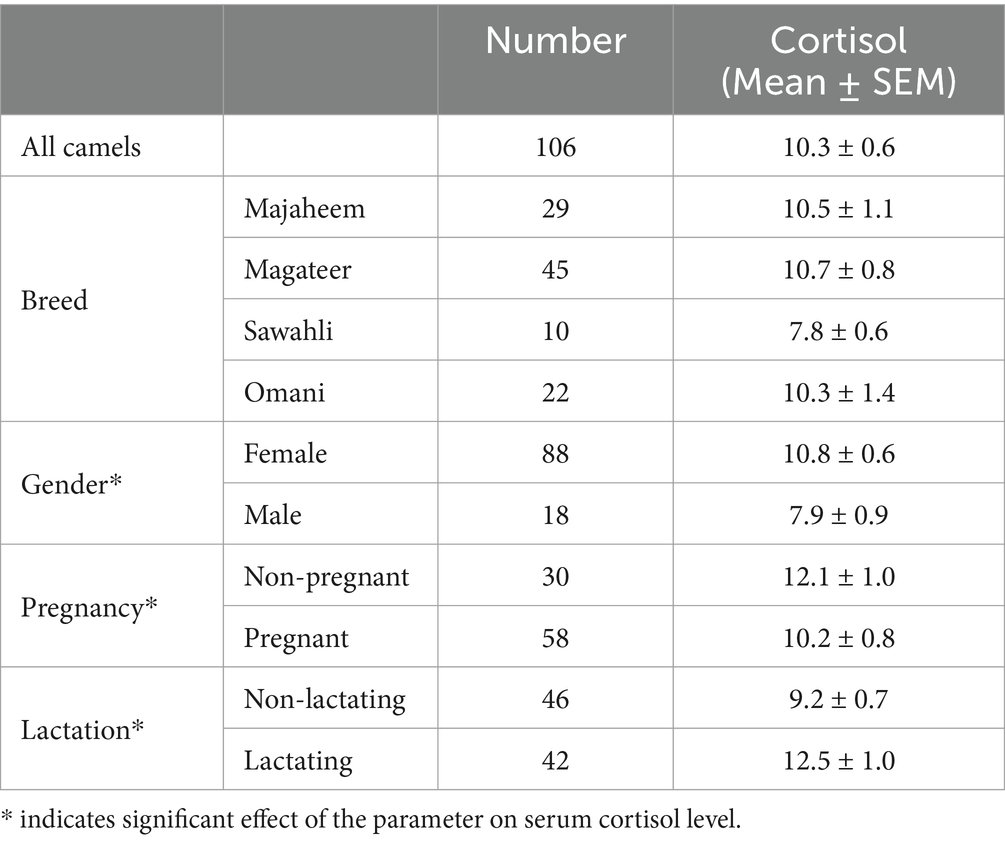
Age and Sex Considerations
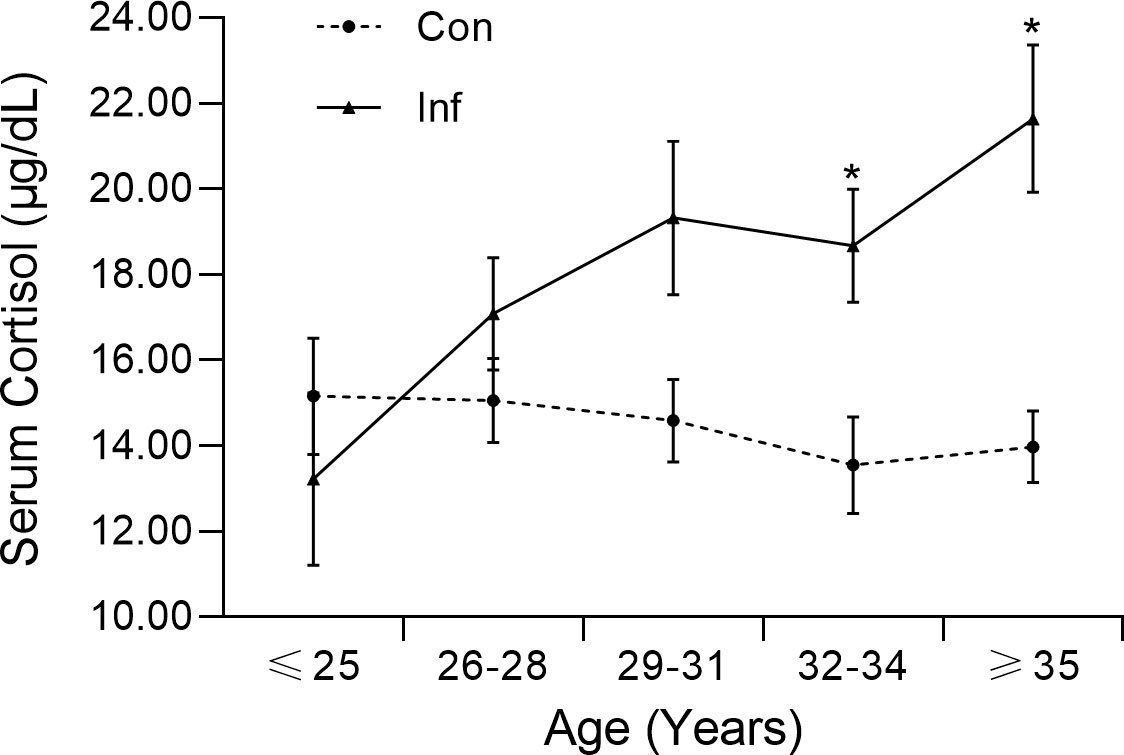
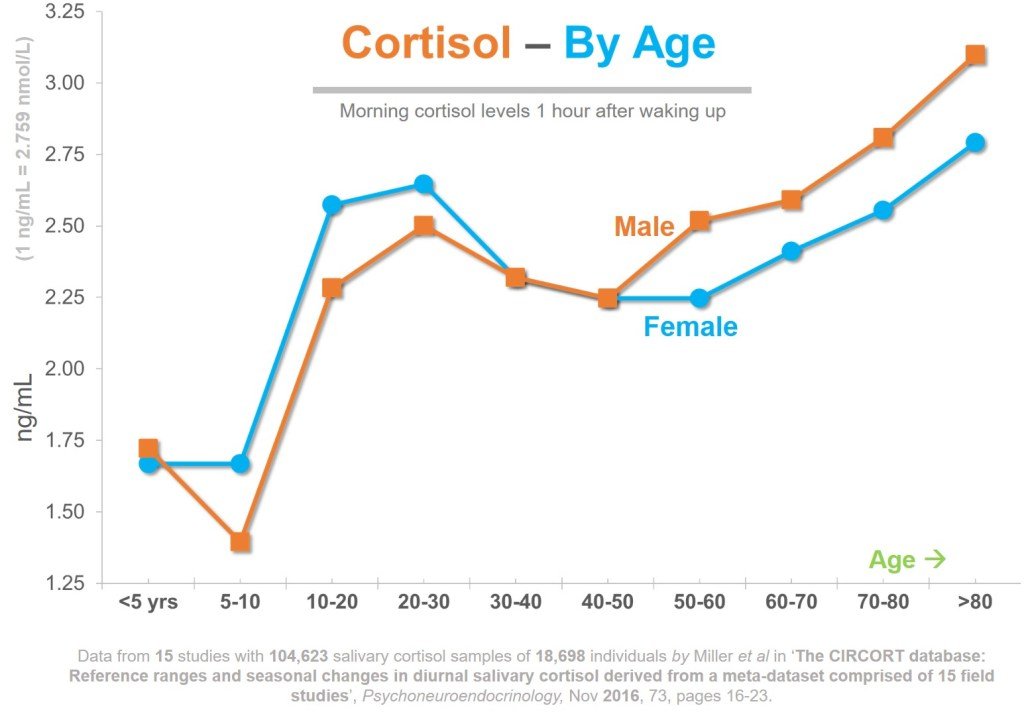
- Cortisol levels age differences are notable, with children, adults, and seniors experiencing distinct ranges.
- Postmenopausal women often have different cortisol patterns compared to premenopausal women and men of the same age.
- Pregnancy also influences cortisol, with unique reference ranges for expectant mothers.
Time of Day Impact
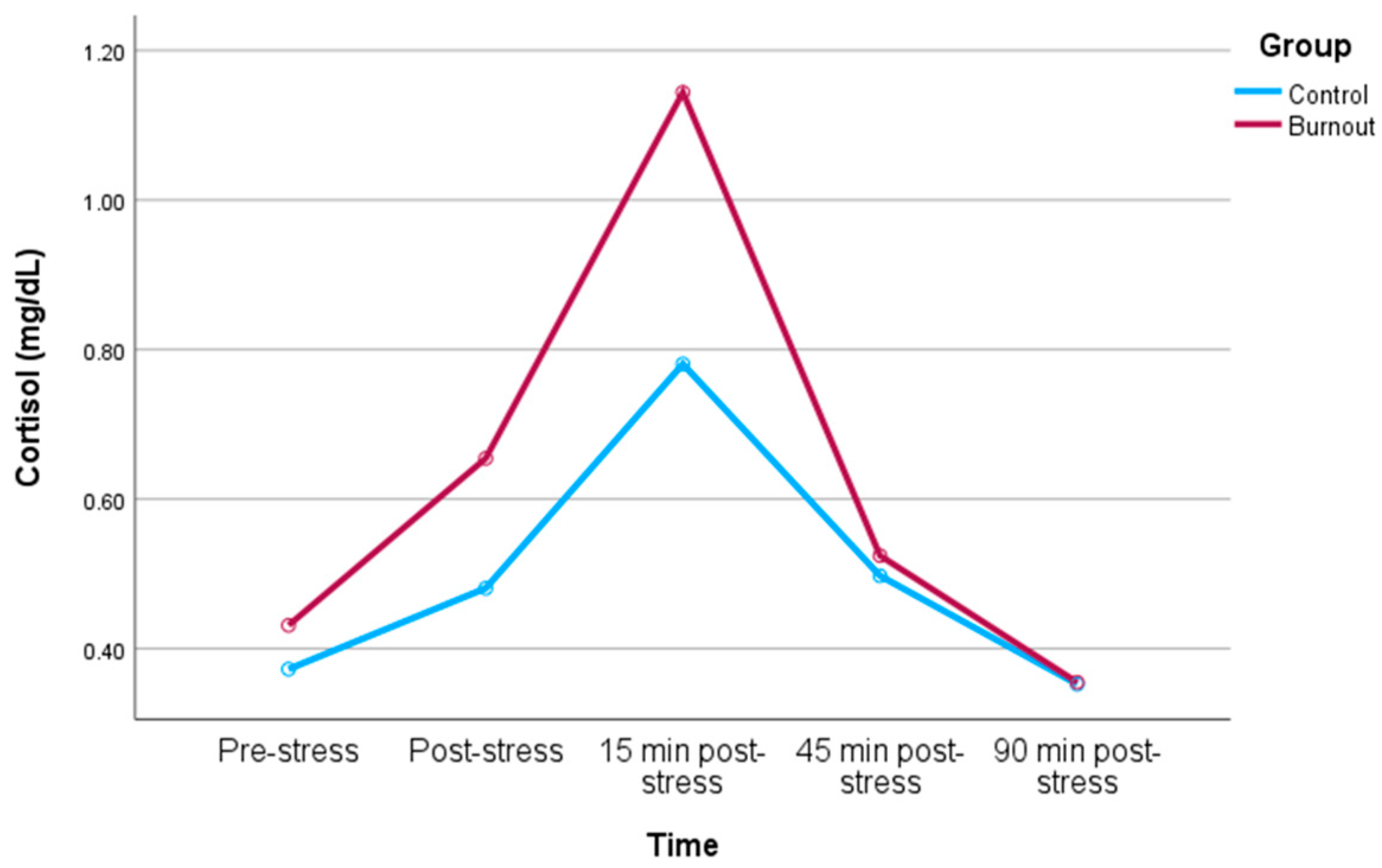
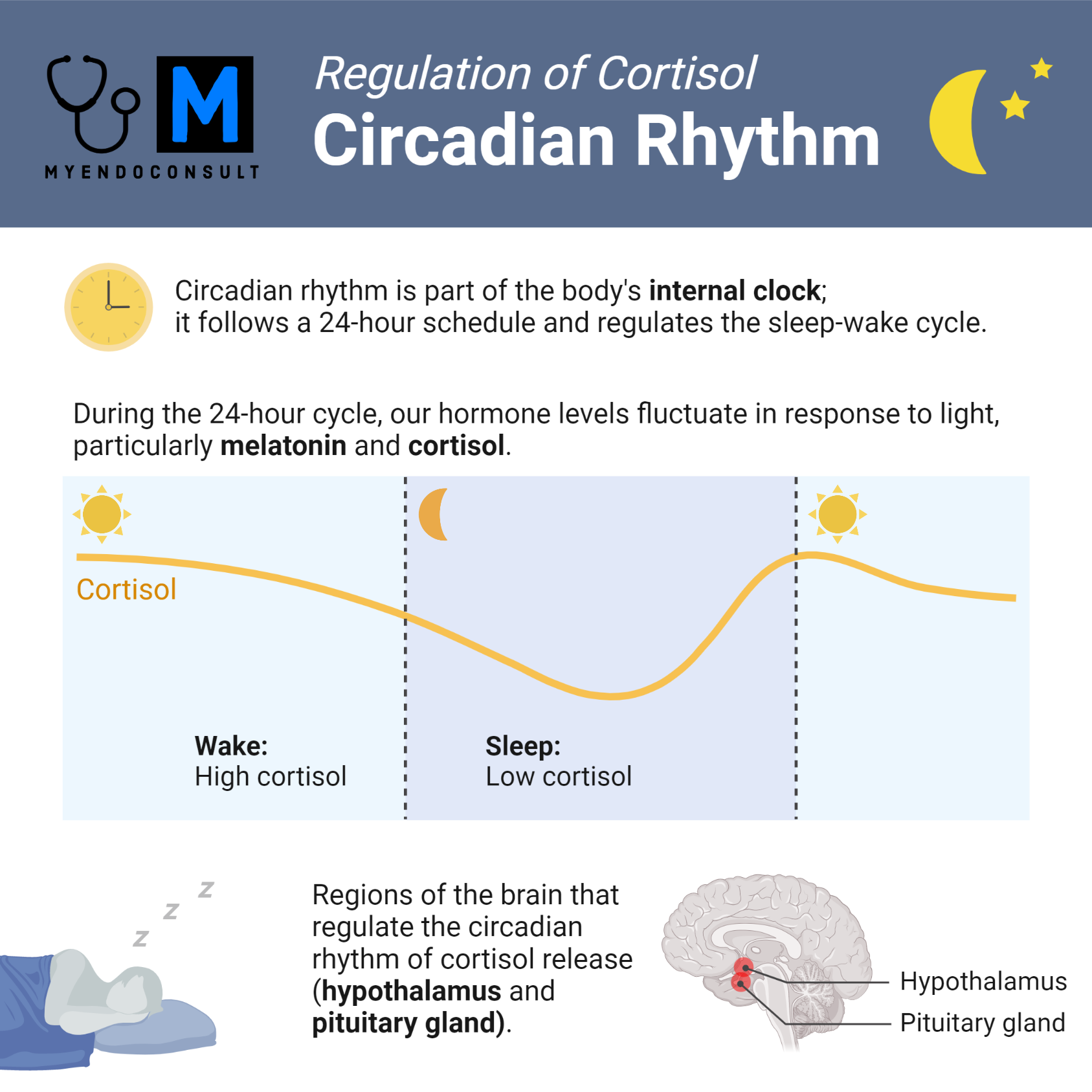
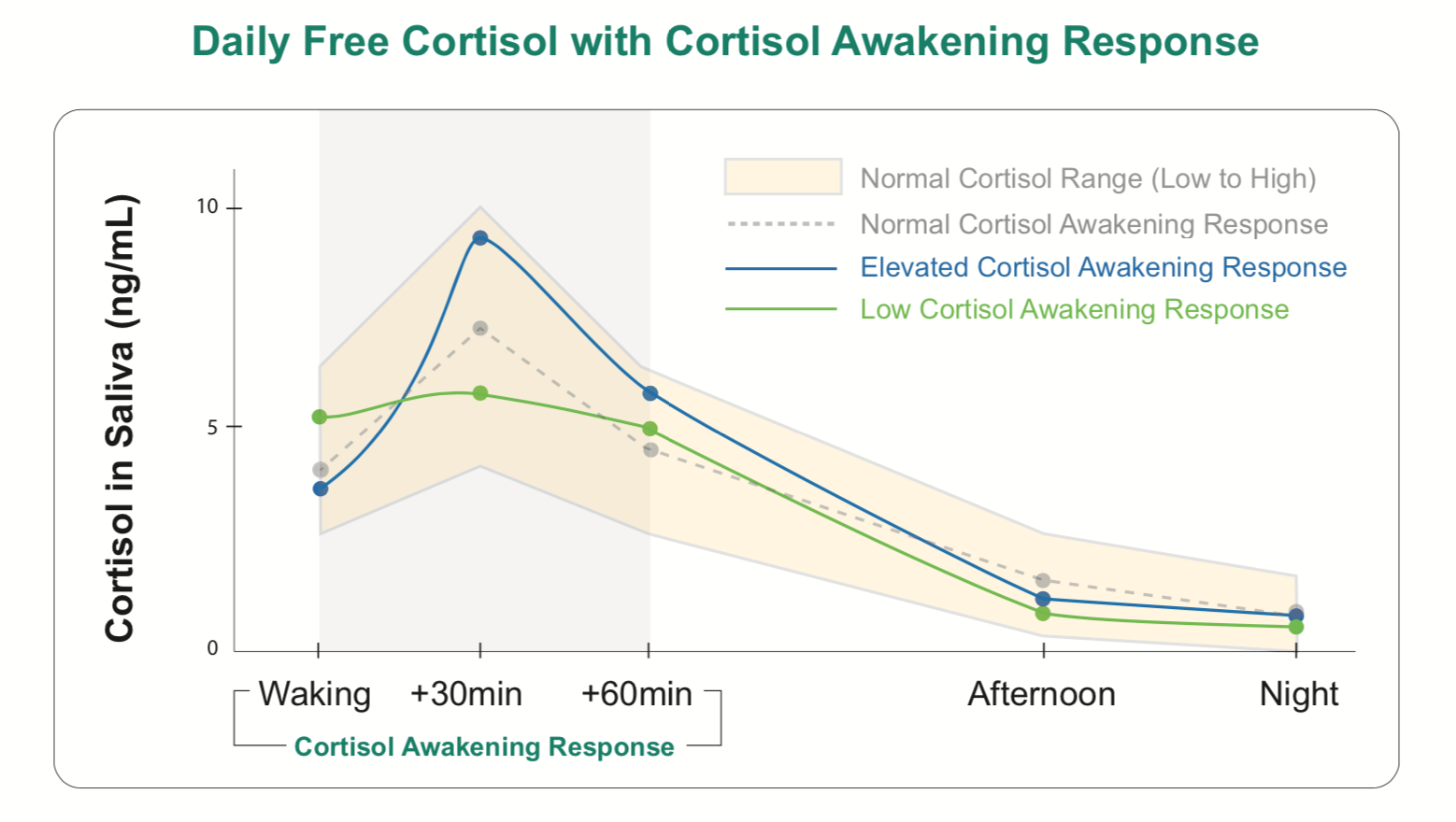
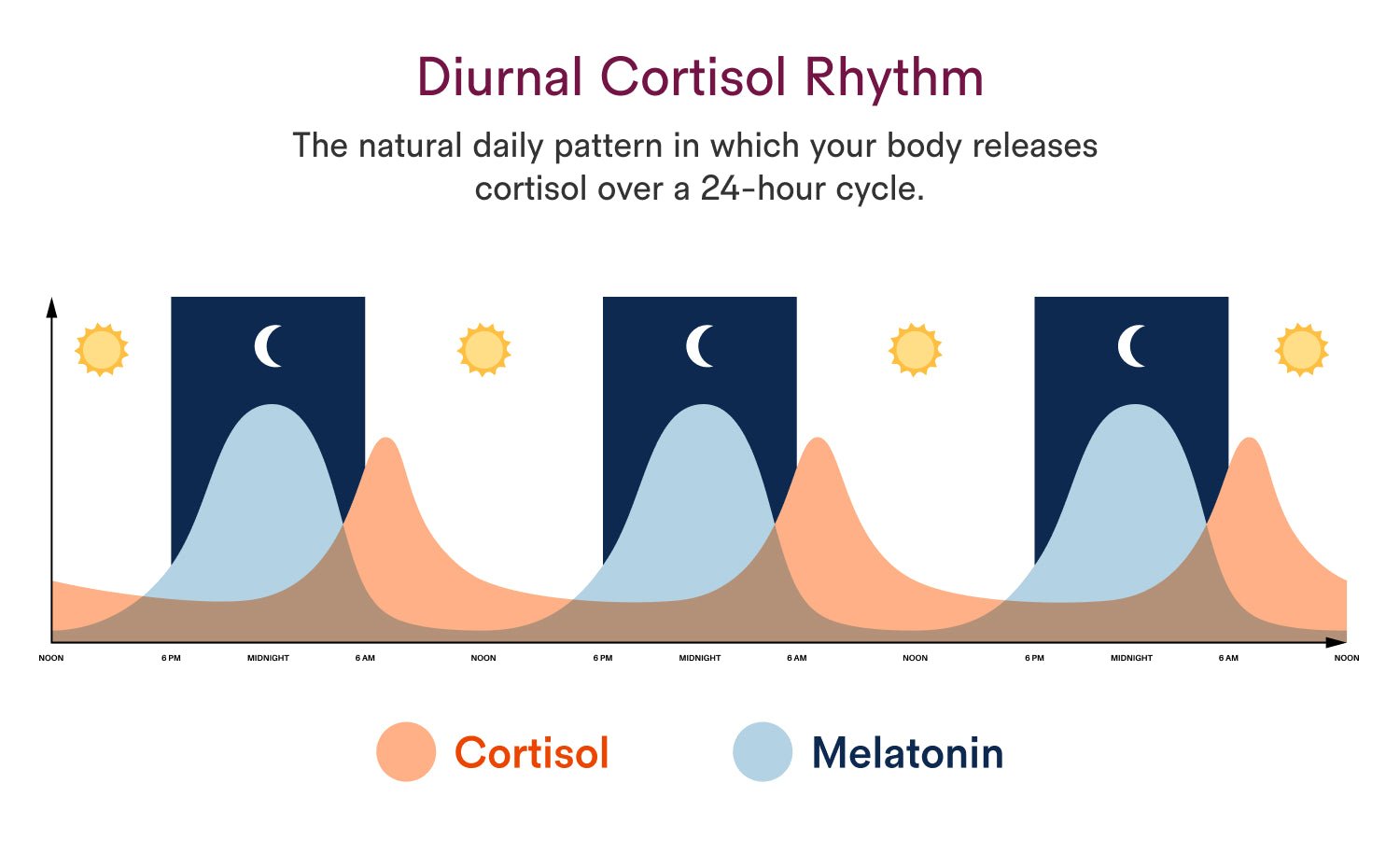
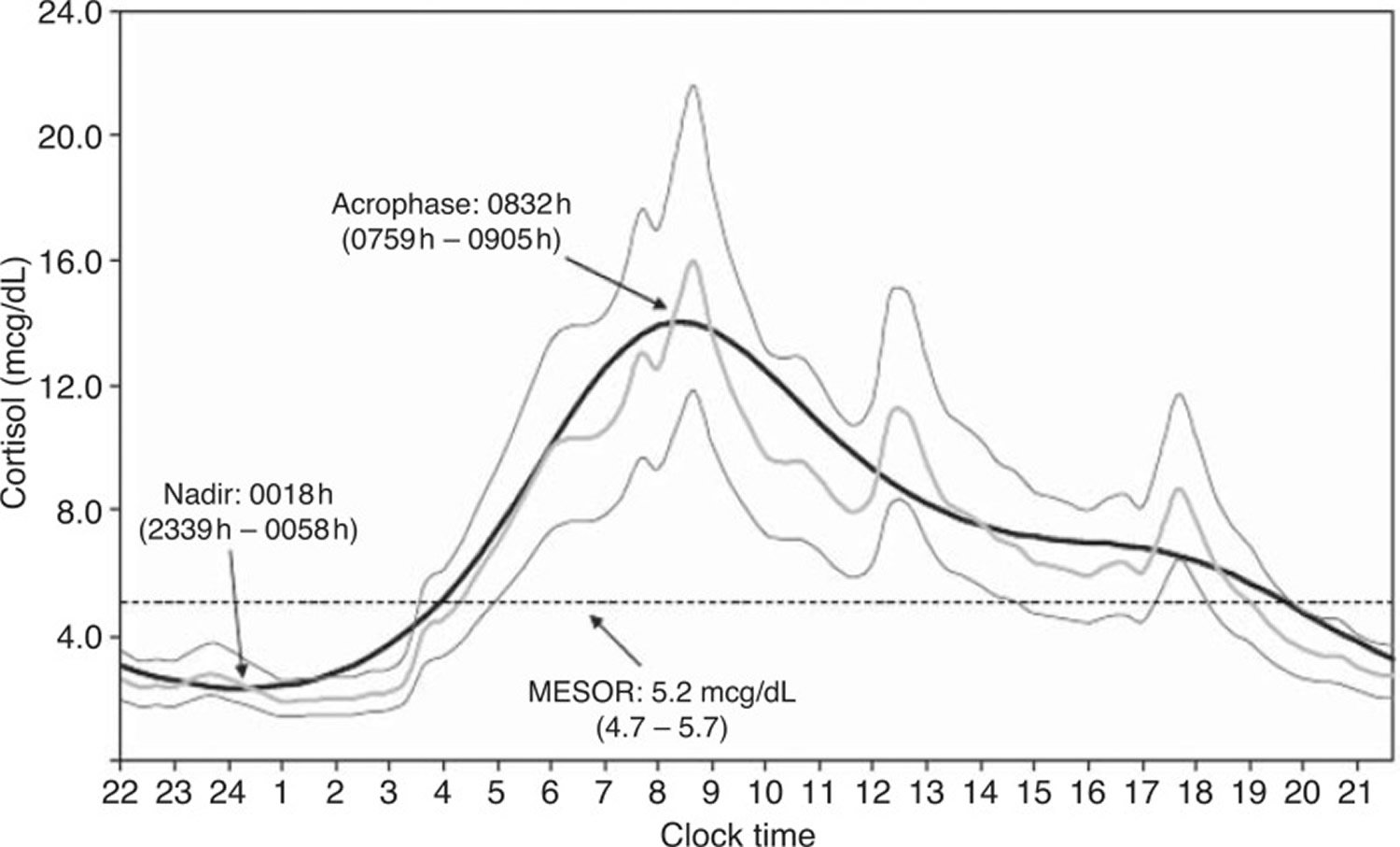
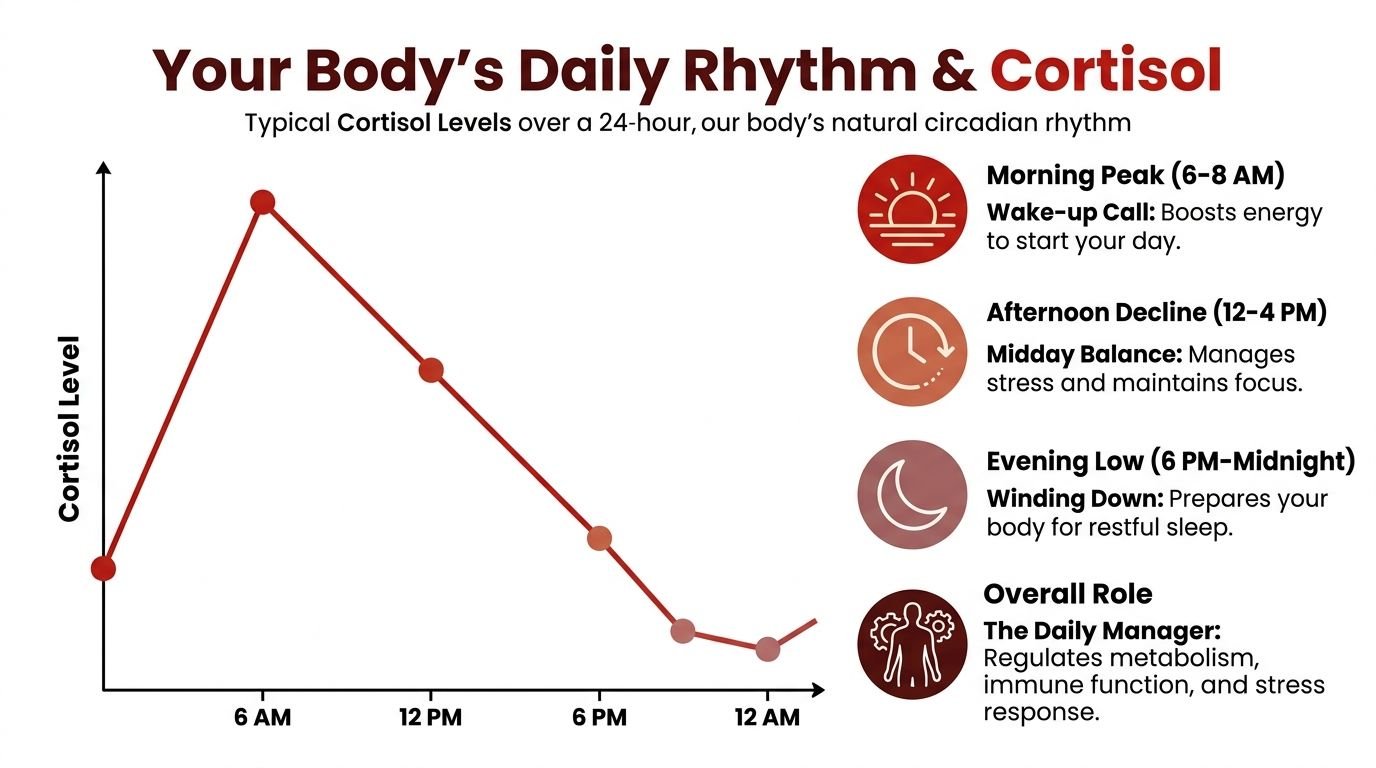
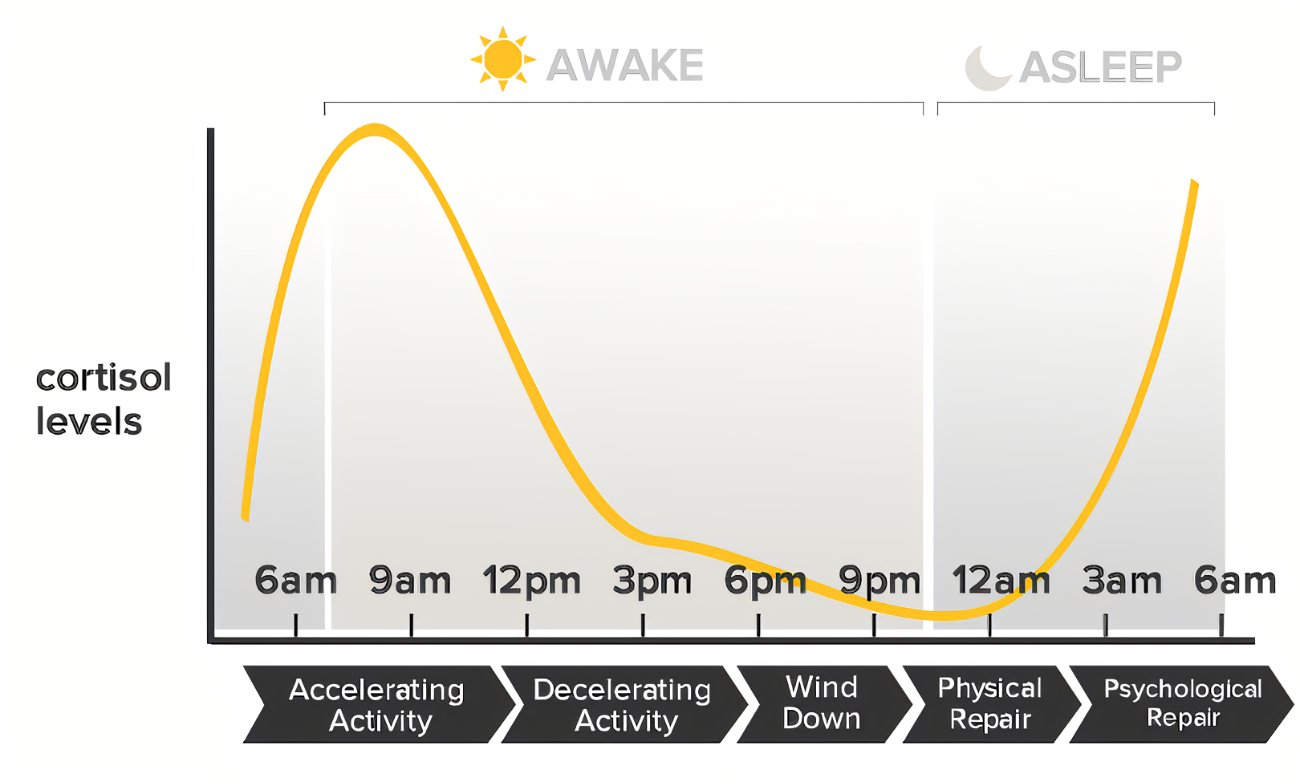
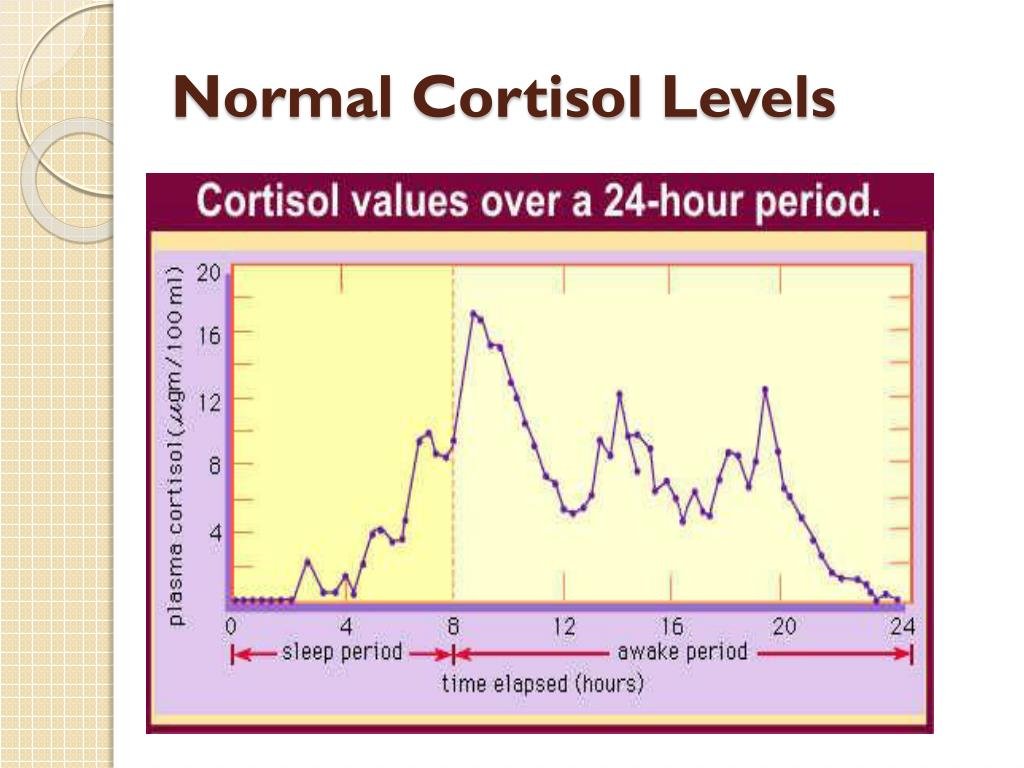
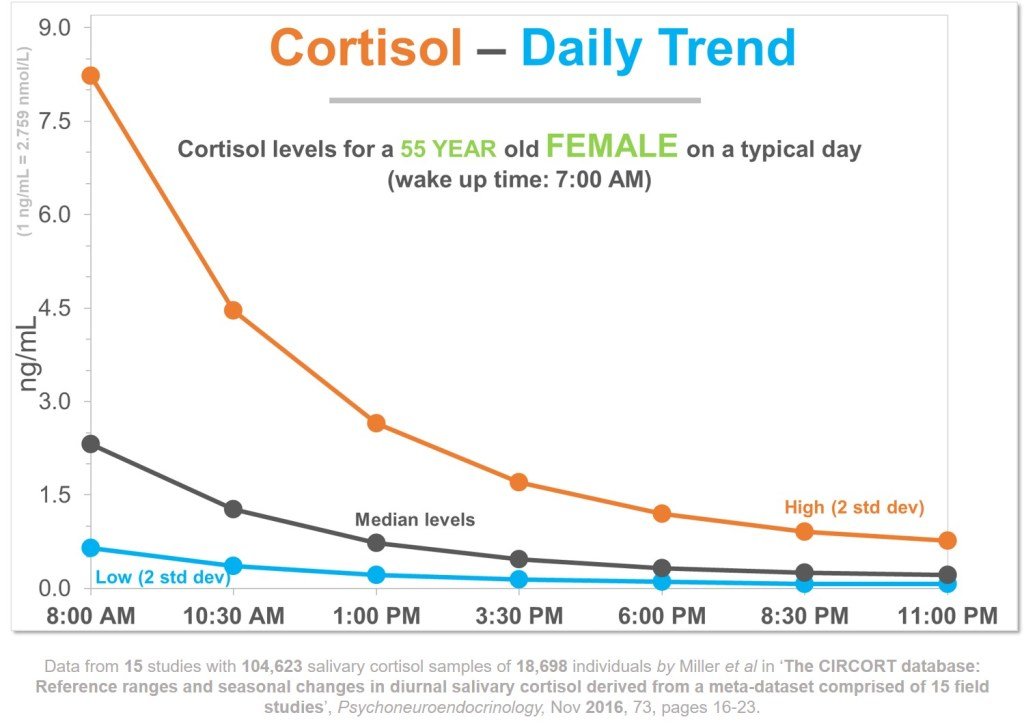
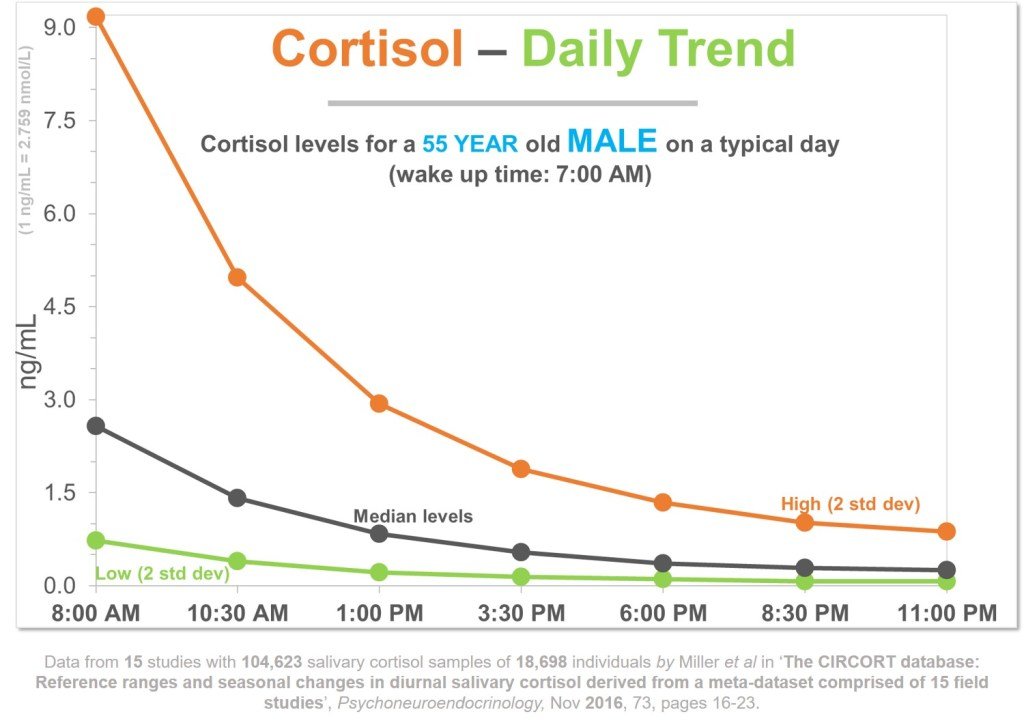
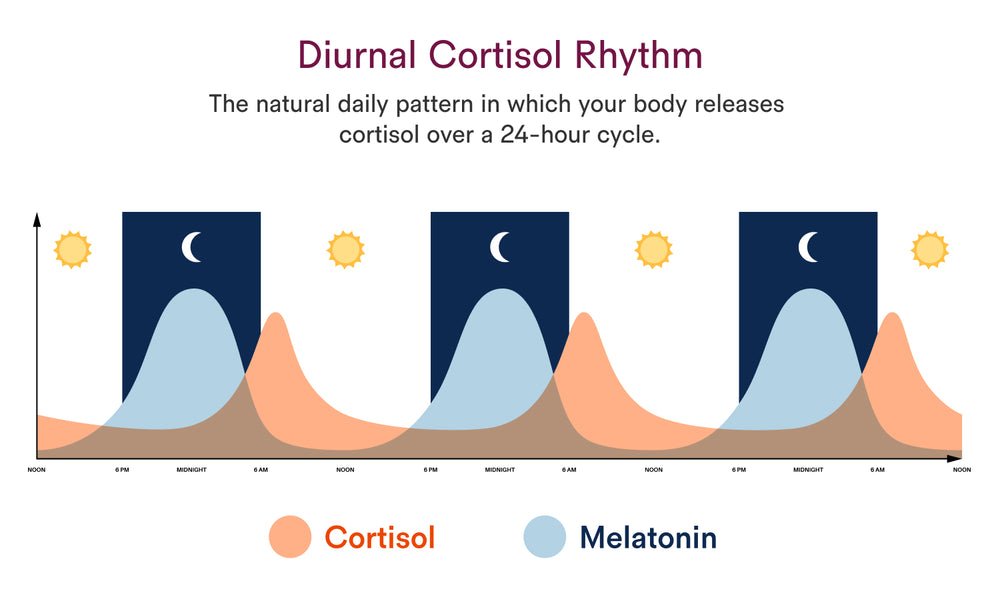
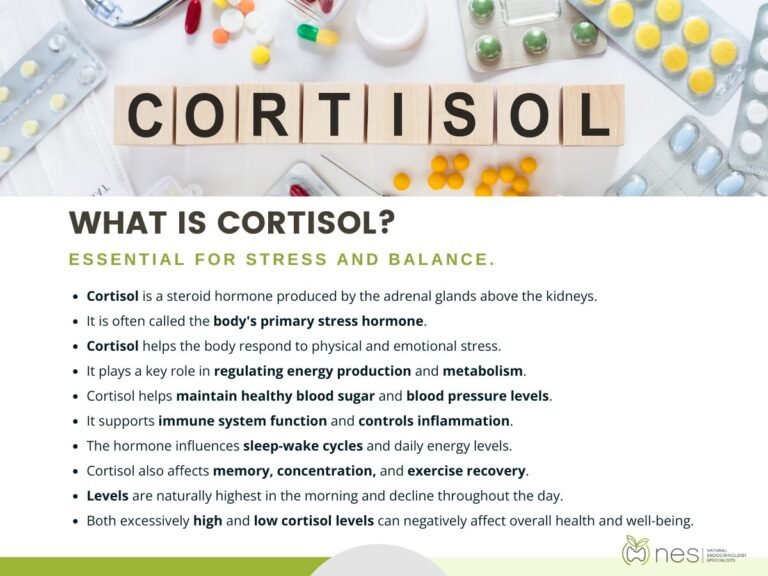
- Cortisol follows a diurnal rhythm, typically peaking in the morning and gradually declining throughout the day.
- Understanding normal cortisol levels requires considering the time of sample collection to accurately interpret results.
Testing Cortisol Levels
Sample Types
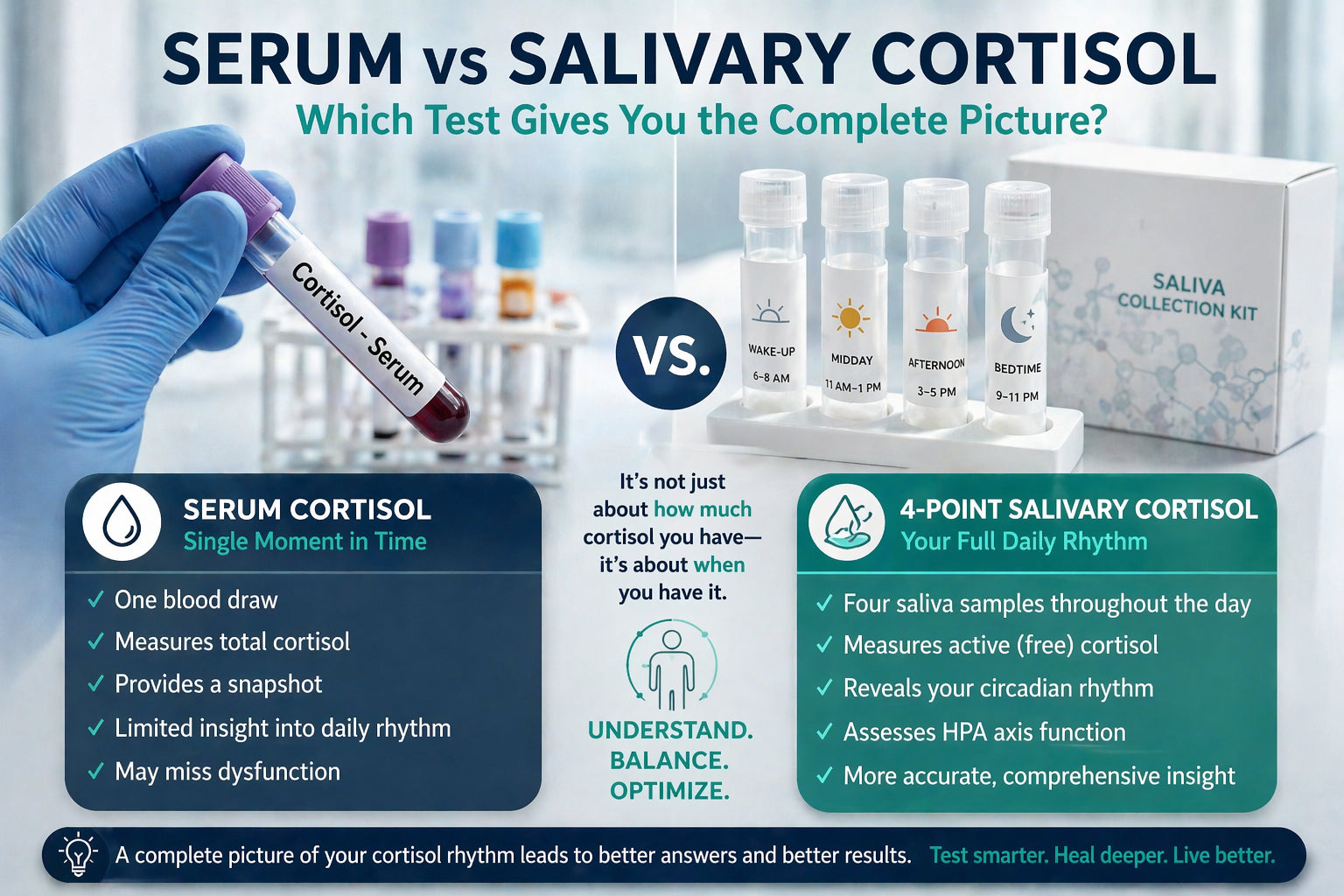
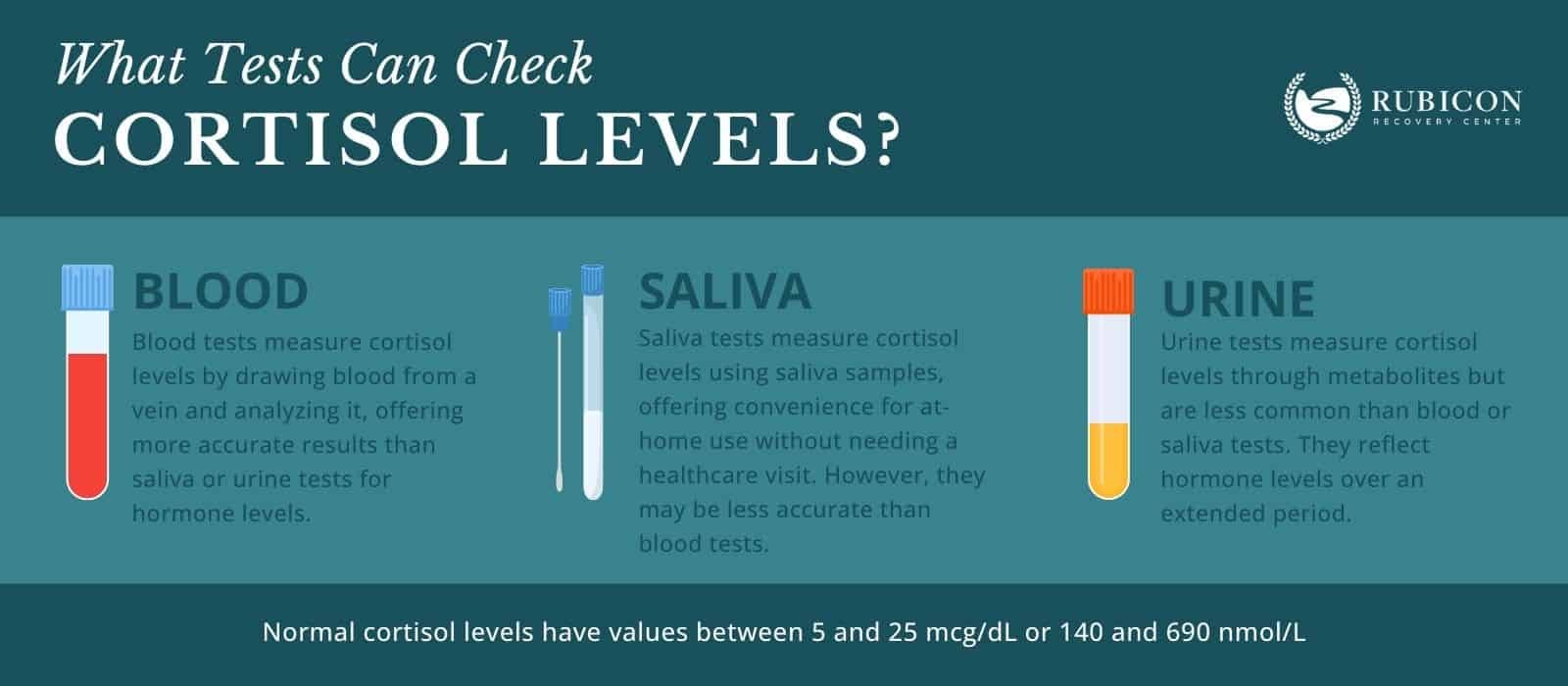
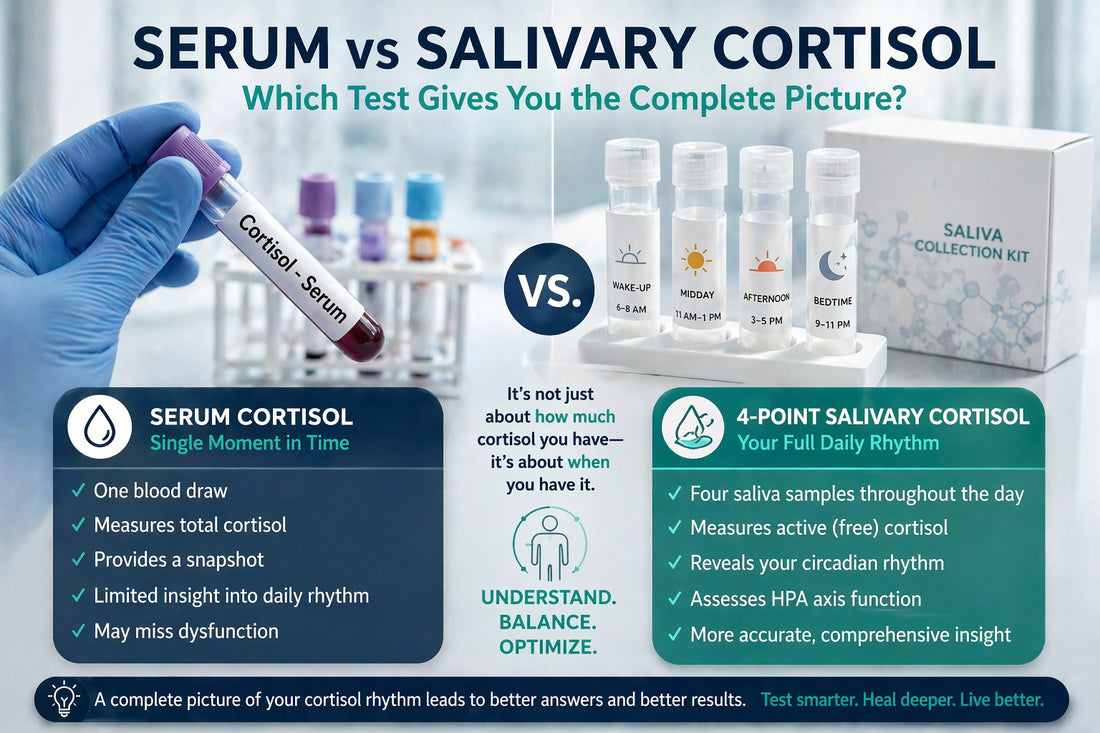
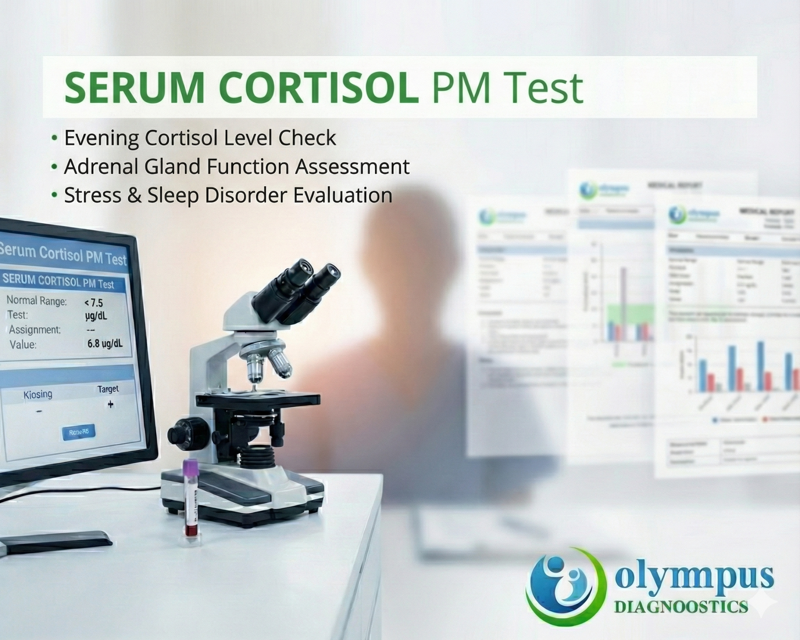
- Blood (serum) tests offer a snapshot of cortisol at the time of collection, providing valuable insights into acute stress or illness.
- Saliva tests are non-invasive and can reflect cortisol levels over a longer period, making them useful for assessing chronic stress.
- Urine tests provide a comprehensive view of cortisol production over 24 hours, offering a more holistic perspective.
At-Home Testing Options
- Cortisol test kits, like those from Eli Health, offer a convenient way to monitor cortisol levels from the comfort of home.
- These kits typically include multiple tests, allowing for tracking of cortisol patterns over time.
Interpreting Results
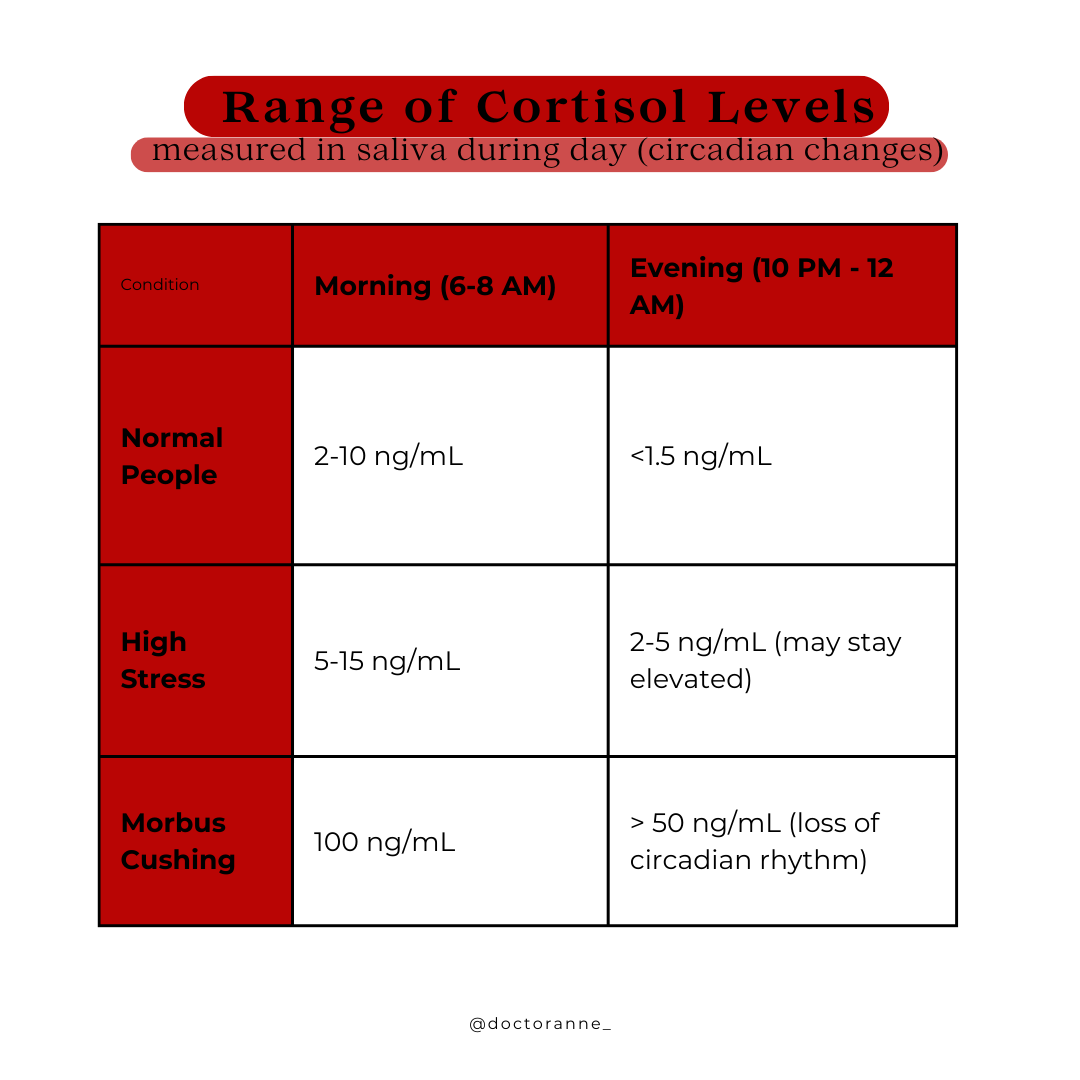
Normal Range Charts
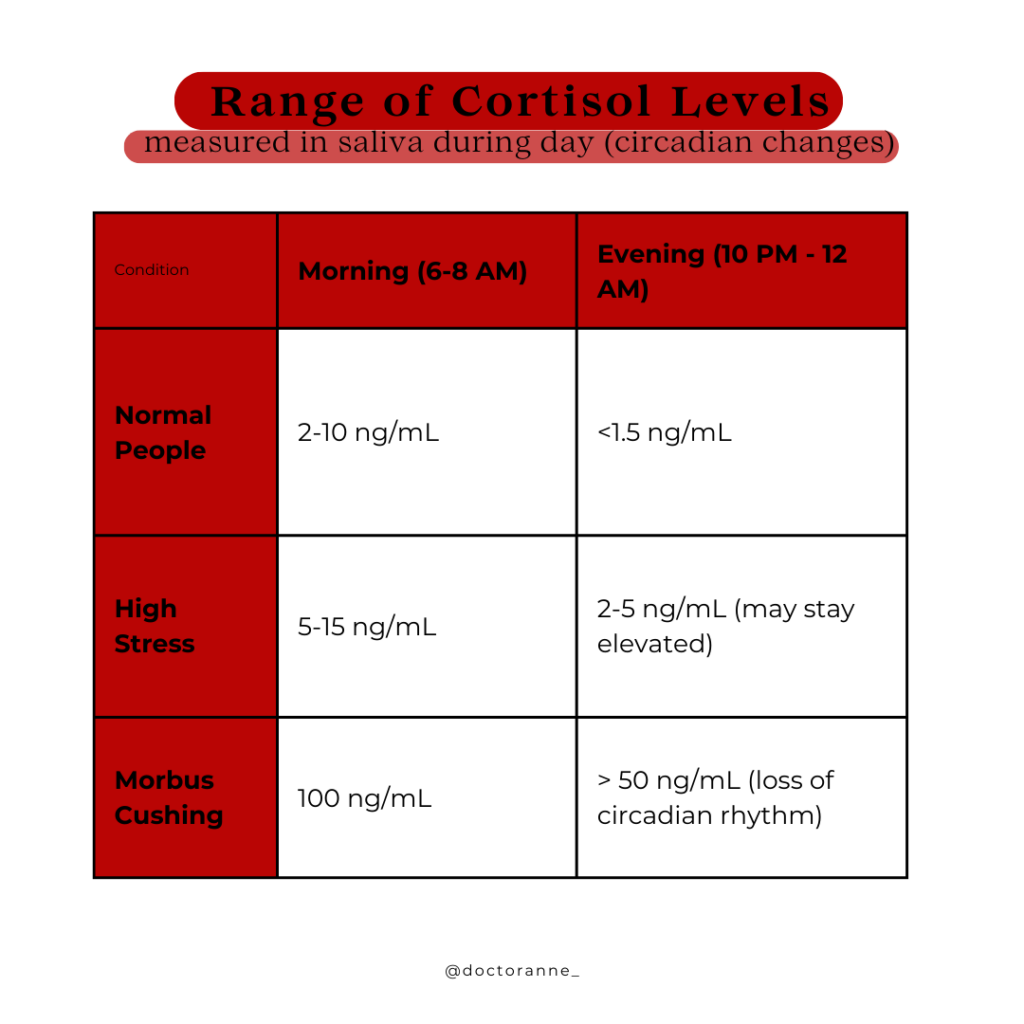
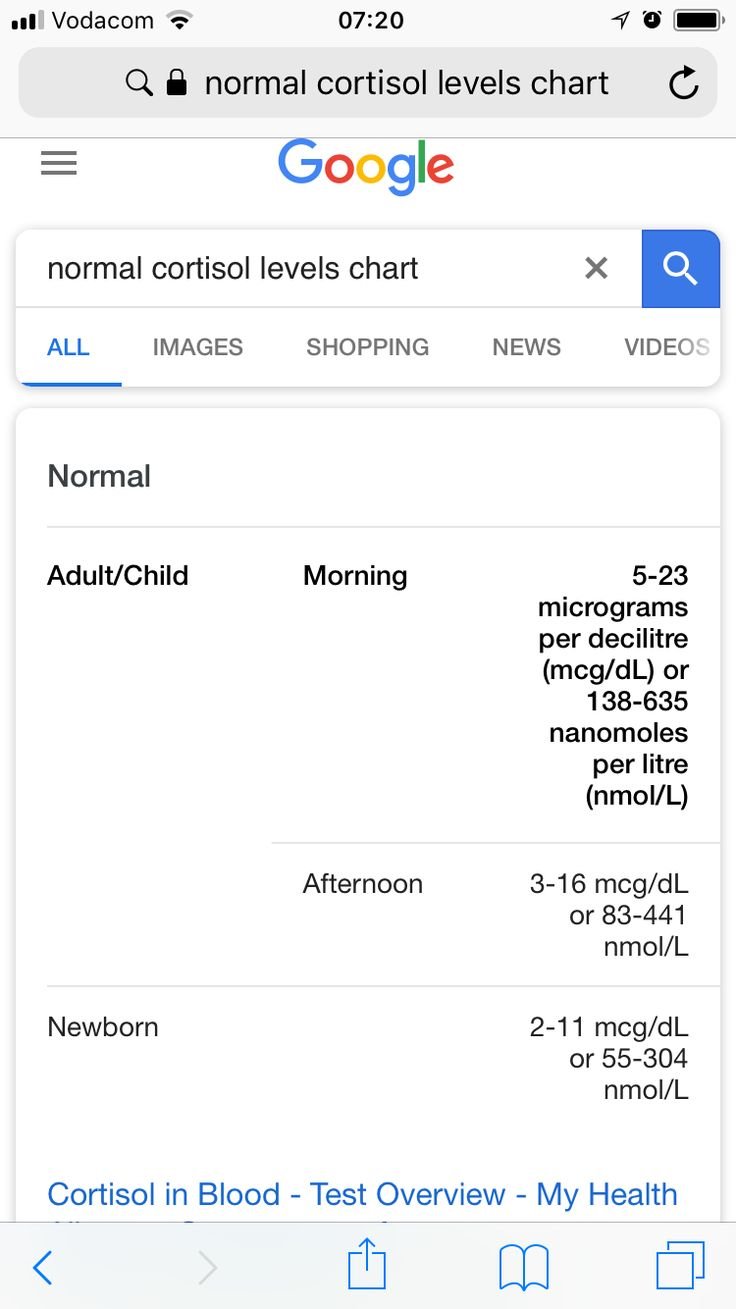
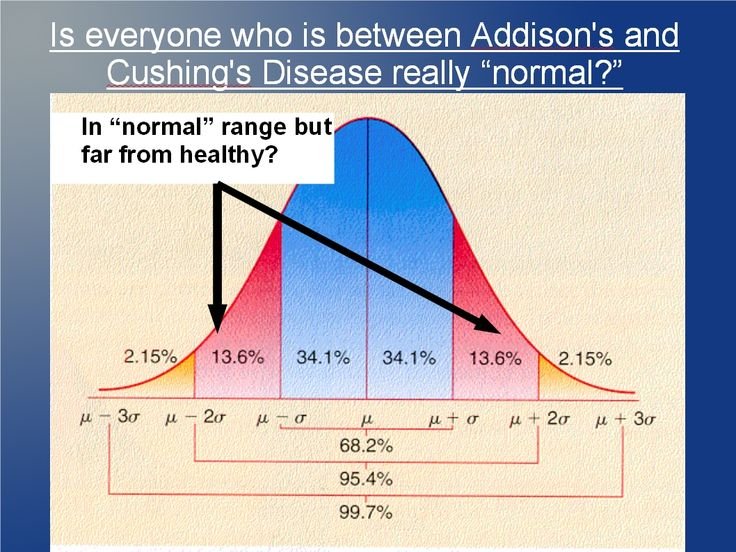
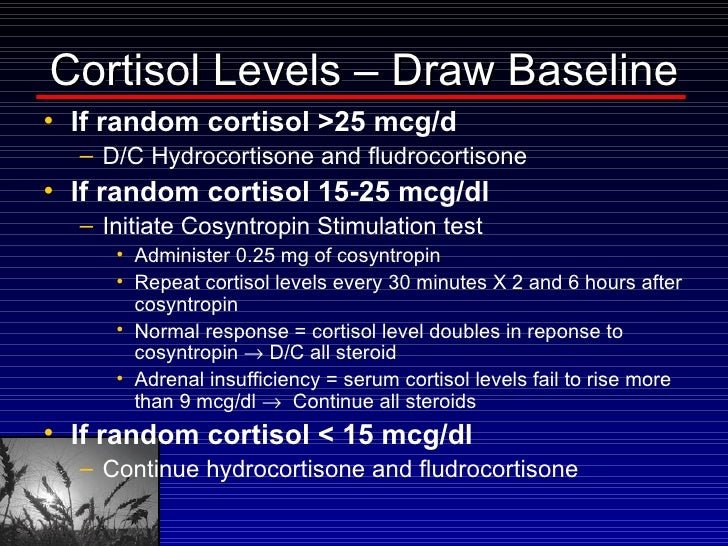
- Reference ranges for cortisol vary by sample type, collection time, and the specific lab conducting the test.
- General online charts may not accurately reflect your results, as cortisol levels are highly individualized.
- Consult with a healthcare professional to interpret your specific results and determine any necessary actions.
Symptoms and Conditions
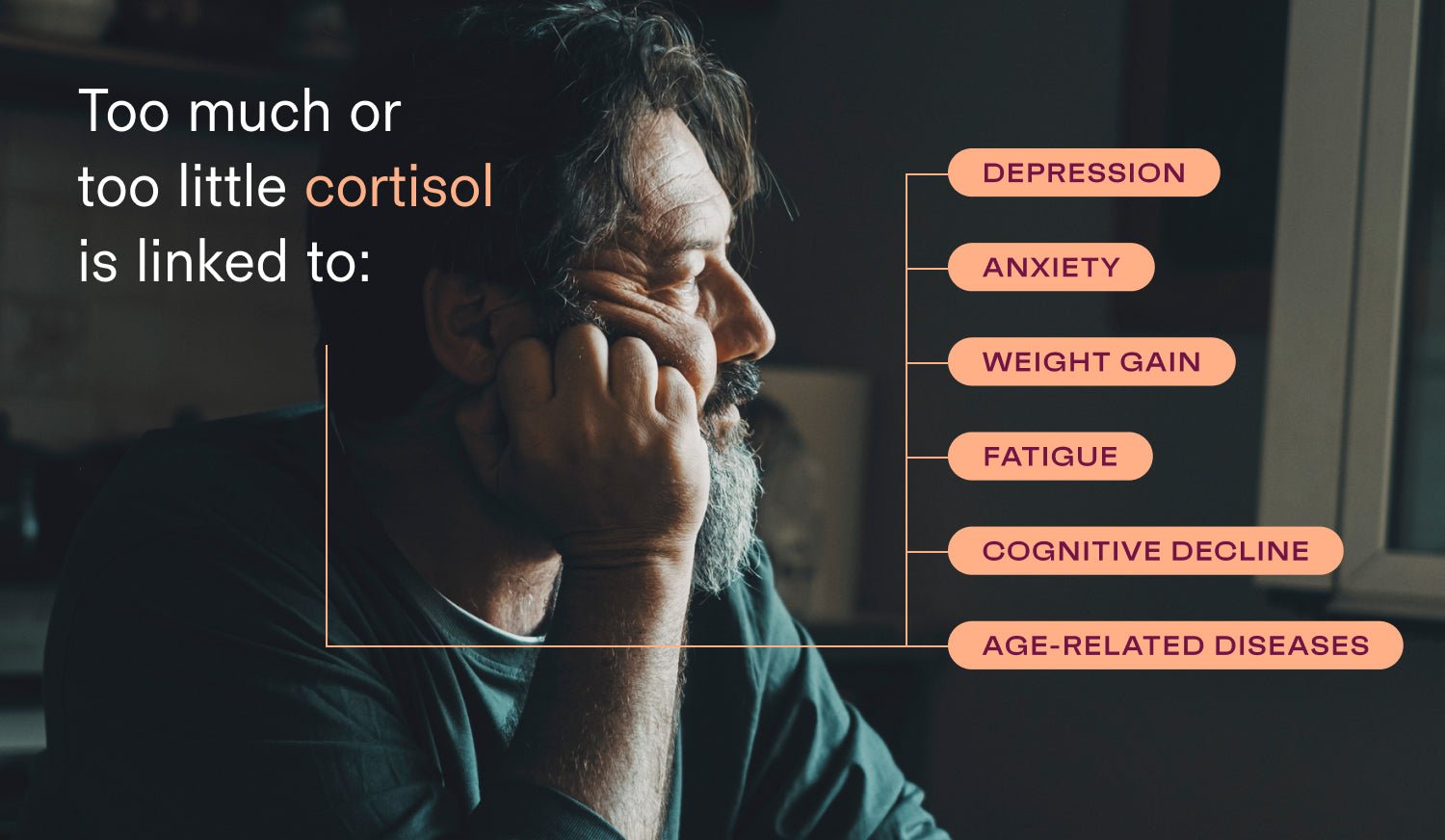
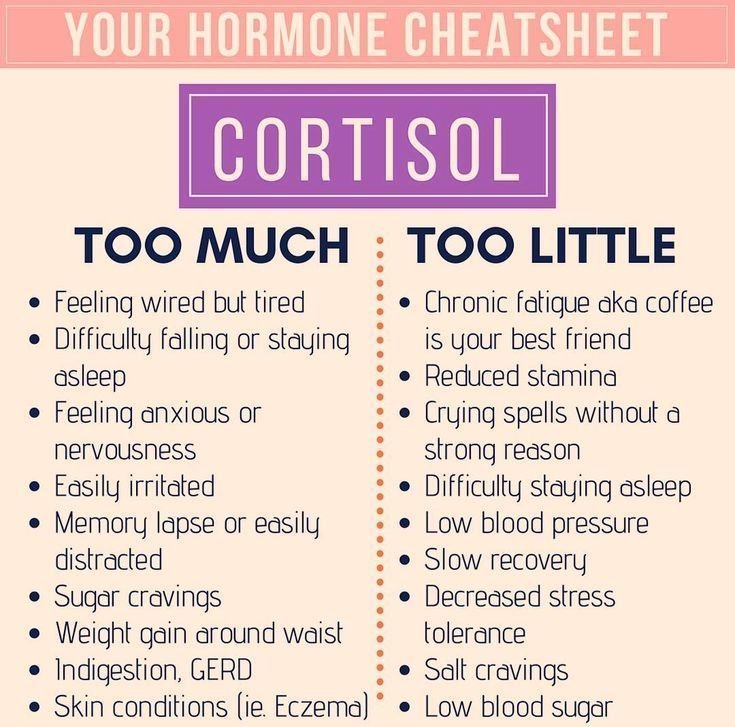
- High cortisol levels can indicate conditions like Cushing's syndrome, while low levels may suggest Addison's disease or adrenal insufficiency.
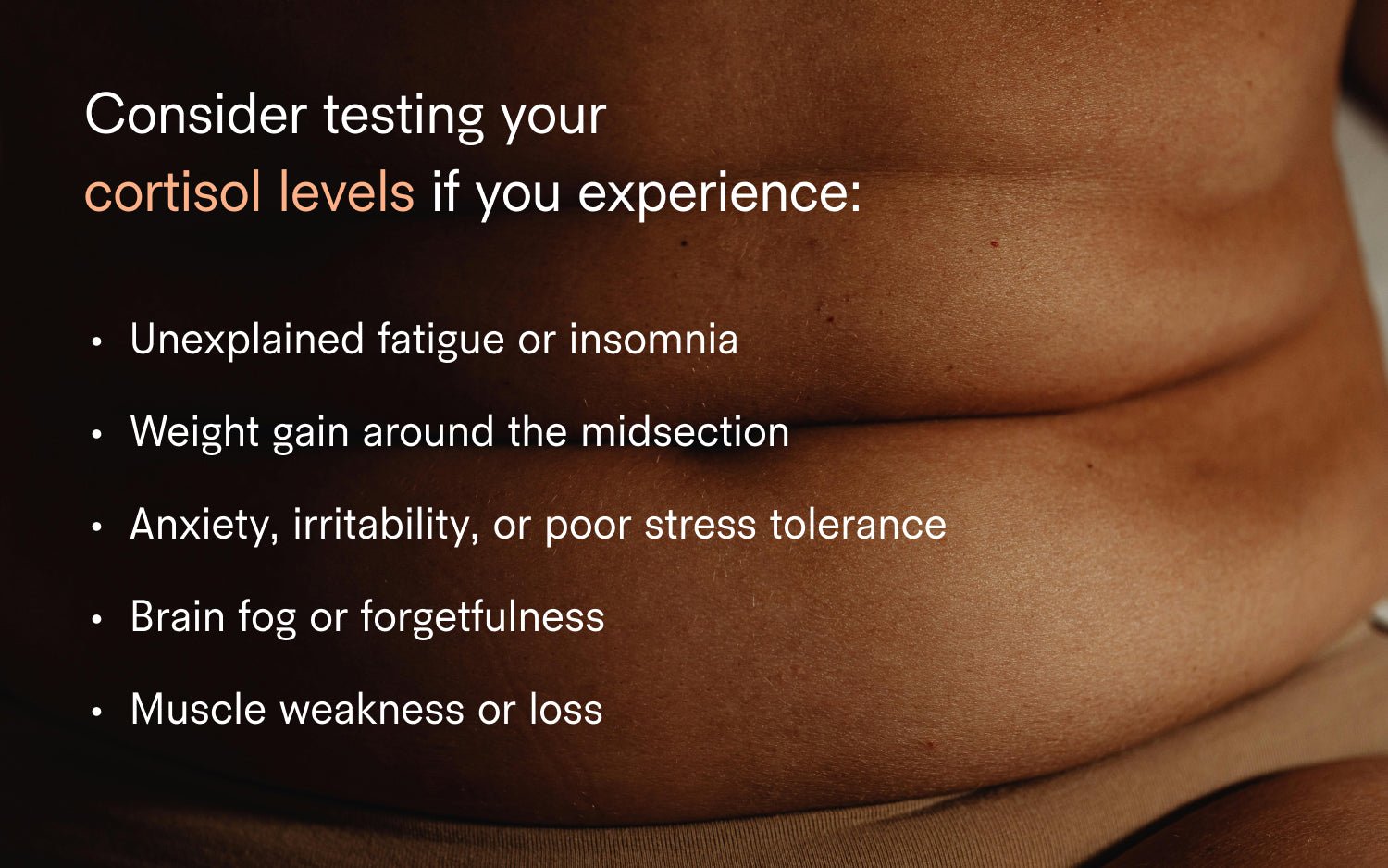
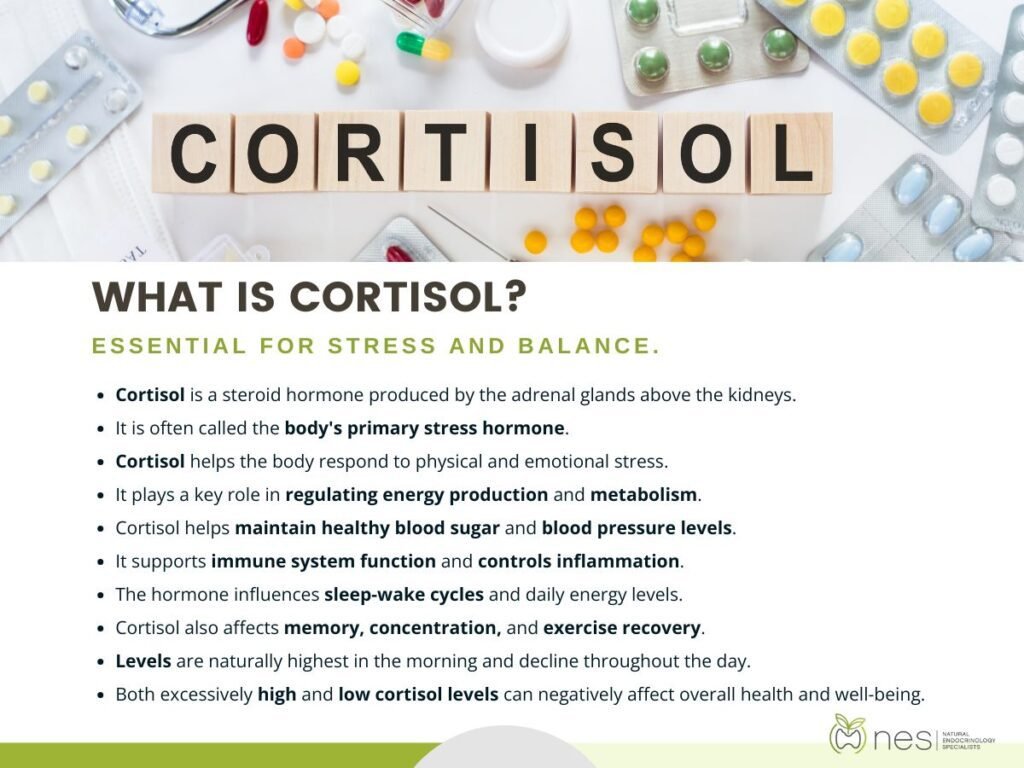
- Chronic stress, poor sleep, and certain medications can also impact cortisol levels, leading to potential health issues.
Taking Control
By understanding and monitoring our normal cortisol level, we can proactively manage stress, improve recovery, and optimize our overall well-being. Regular testing, combined with lifestyle adjustments, can help maintain a healthy balance and enhance our quality of life. You can also compare this directly with printable calendar for may 2026 to see how they stack up.