Preeclampsia, a condition characterized by the onset of high blood pressure and often accompanied by significant amounts of protein in the urine, is a serious complication that can arise during pregnancy. It typically develops after 20 weeks of gestation and can lead to severe complications for both the mother and the baby if not promptly recognized and managed. The signs of preeclampsia can vary, and in some cases, the condition may develop without noticeable symptoms, making regular prenatal check-ups crucial for early detection.
Understanding Preeclampsia
Preeclampsia is categorized into two forms: mild and severe. Mild preeclampsia involves a blood pressure of 140⁄90 mmHg or higher, and the presence of protein in the urine (proteinuria). Severe preeclampsia is characterized by even higher blood pressure levels (often above 160⁄110 mmHg) and significantly more proteinuria, along with other complications that can affect various organs of the body.
Common Signs and Symptoms
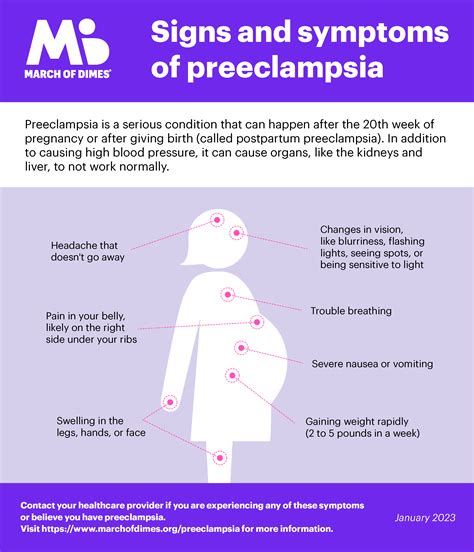
While preeclampsia can be asymptomatic, there are several signs and symptoms that may indicate its presence:
High Blood Pressure: The most common indicator of preeclampsia is the development of high blood pressure after 20 weeks of pregnancy in women whose blood pressure had previously been normal.
Protein in the Urine (Proteinuria): The presence of an abnormal amount of protein in the urine is another key marker of preeclampsia.
Severe Headaches: Persistent and severe headaches that do not respond to usual treatments can be a symptom of preeclampsia.
Vision Changes: Some women may experience vision changes, including blurred vision, double vision, or sensitivity to light.
Nausea and Vomiting: While nausea is common in pregnancy, its presence in the second or third trimester could be indicative of preeclampsia.
Abdominal Pain: Pain in the upper right or middle abdomen, which can be a sign of liver dysfunction associated with preeclampsia.
Reduced Urine Output: Producing less urine than normal can be a sign of decreased kidney function due to preeclampsia.
Sudden Weight Gain: A sudden increase in weight over a short period, which is not explained by retention of fluid alone.
Shortness of Breath: Difficulty breathing can be a sign of fluid in the lungs (pulmonary edema) due to severe preeclampsia.
Severe Signs Requiring Immediate Attention
If any of the following severe symptoms are experienced, it is crucial to seek immediate medical attention:
- Severe Headache or Vision Changes: Indicative of possible stroke or severe hypertension.
- Intense Abdominal Pain: Could signal liver rupture or other severe complications.
- Severe Nausea and Vomiting: Can lead to dehydration and worsen the condition.
- Difficulty Breathing: May indicate pulmonary edema, a severe complication.
Management and Prevention
While there is no definitive way to prevent preeclampsia, regular prenatal care is crucial for early detection and management. For women at high risk, low-dose aspirin may be recommended starting late in the first trimester. Once diagnosed, the goal of management is to prevent the condition from progressing to severe preeclampsia. This may involve close monitoring of blood pressure, urine protein levels, and fetal well-being. In some cases, hospitalization may be necessary to ensure the health and safety of both the mother and the baby.
Conclusion
Preeclampsia is a potentially life-threatening condition that requires vigilance and prompt medical intervention. Understanding its signs and symptoms, and the importance of regular prenatal care, can significantly improve outcomes for both mothers and their babies. If any symptoms or concerns arise, it is essential to consult with healthcare providers who can provide guidance, support, and necessary interventions.
What are the primary signs of preeclampsia that I should look out for during my pregnancy?
+The primary signs include high blood pressure, significant amounts of protein in the urine, severe headaches, vision changes, nausea and vomiting, abdominal pain, reduced urine output, and shortness of breath. It’s crucial to monitor these symptoms closely and report any concerns to your healthcare provider promptly.
How often should I have prenatal check-ups if I’m at risk for preeclampsia?
+Women at risk for preeclampsia should have more frequent prenatal check-ups. The exact frequency will be determined by your healthcare provider based on your individual risk factors and the progression of your pregnancy. Regular monitoring can help in early detection and management of preeclampsia.
Can preeclampsia be prevented, and what are the management strategies if I’m diagnosed?
+While there’s no sure way to prevent preeclampsia, taking low-dose aspirin as recommended by your healthcare provider may reduce the risk for some women. Management strategies include close monitoring of blood pressure and urine protein levels, hospitalization if necessary, and in severe cases, delivery of the baby, even if premature, to prevent further complications.