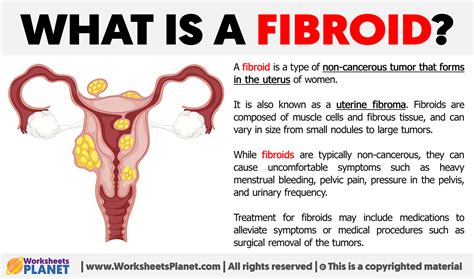
Uterine fibroids, also known as leiomyomas, are non-cancerous growths that develop in or around the uterus. These growths are made up of smooth muscle cells and fibrous connective tissue, and they can vary in size, number, and location. Fibroids are a common health issue for women, particularly those of reproductive age, and they can cause a range of symptoms, from mild discomfort to debilitating pain and heavy bleeding.
Understanding the Types of Fibroids
There are several types of fibroids, classified based on their location and characteristics. The main types of fibroids include:
- Intramural fibroids: These are the most common type, growing within the muscular wall of the uterus.
- Submucosal fibroids: These grow just beneath the uterine lining, or endometrium, and can protrude into the uterine cavity.
- Subserosal fibroids: These grow on the outer surface of the uterus and can sometimes be attached to the uterus by a stalk-like structure.
- Pedunculated fibroids: These are subserosal fibroids that are attached to the uterus by a stalk.
Causes and Risk Factors
The exact cause of fibroids is still not fully understood, but research suggests that they may be linked to a combination of genetic, hormonal, and environmental factors. Some of the known risk factors for developing fibroids include:
- Hormonal influences: Estrogen and progesterone, the two main female hormones, can stimulate the growth of fibroids.
- Family history: Women with a family history of fibroids are more likely to develop them.
- Age: Fibroids are most common in women of reproductive age, typically between 30 and 50 years old.
- Obesity: Being overweight or obese can increase the risk of developing fibroids.
- Ethnicity: African American women are more likely to develop fibroids than women of other ethnicities.
Symptoms of Fibroids
Not all women with fibroids experience symptoms, but when they do, they can range from mild to severe. Some of the most common symptoms of fibroids include:
- Heavy menstrual bleeding: Fibroids can cause prolonged or heavy menstrual bleeding, which can lead to anemia and other complications.
- Pelvic pain: Fibroids can cause pressure on the surrounding organs, leading to pelvic pain, discomfort, or pressure.
- Bloating and swelling: Large fibroids can cause the abdomen to become bloated or swollen.
- Urinary frequency: Fibroids can put pressure on the bladder, leading to frequent urination or difficulty emptying the bladder.
- Infertility: In some cases, fibroids can affect fertility by altering the shape of the uterus or interfering with implantation.
Diagnosis and Treatment
Fibroids can be diagnosed using a combination of medical history, physical examination, and imaging tests such as ultrasound, MRI, or CT scans. Treatment options for fibroids vary depending on the size, location, and symptoms, as well as the individual woman’s overall health and preferences. Some of the common treatment options for fibroids include:
- Watchful waiting: Monitoring the fibroids for any changes or symptoms.
- Medications: Hormonal therapies, pain relievers, or other medications to manage symptoms.
- Surgery: Removing the fibroids (myomectomy) or the entire uterus (hysterectomy).
- Minimally invasive procedures: Uterine artery embolization, radiofrequency ablation, or laparoscopic surgery to shrink or remove the fibroids.
What are the most common symptoms of fibroids?
+The most common symptoms of fibroids include heavy menstrual bleeding, pelvic pain, bloating and swelling, urinary frequency, and infertility.
Can fibroids be treated without surgery?
+Yes, there are several treatment options available for fibroids that do not involve surgery, including medications, watchful waiting, and minimally invasive procedures.
Are fibroids a sign of cancer?
+No, fibroids are non-cancerous growths that are not a sign of cancer. However, it's essential to consult with a healthcare provider to rule out any underlying conditions.
In conclusion, fibroids are a common health issue that can cause a range of symptoms, from mild discomfort to debilitating pain and heavy bleeding. Understanding the causes, risk factors, and symptoms of fibroids is crucial for diagnosis and treatment. By consulting with a healthcare provider and exploring the various treatment options available, women can manage their symptoms and improve their overall quality of life.