The incentive spirometer, a device often overlooked but highly valuable in the realm of respiratory health, plays a crucial role in improving lung function, especially for individuals recovering from surgery, suffering from chronic respiratory conditions, or aiming to enhance their overall pulmonary well-being. This tool is designed to encourage patients to take deep, sustained breaths, thereby helping to strengthen the lungs, increase oxygen intake, and prevent complications such as pneumonia or atelectasis, which can arise from shallow breathing.
Understanding the Incentive Spirometer
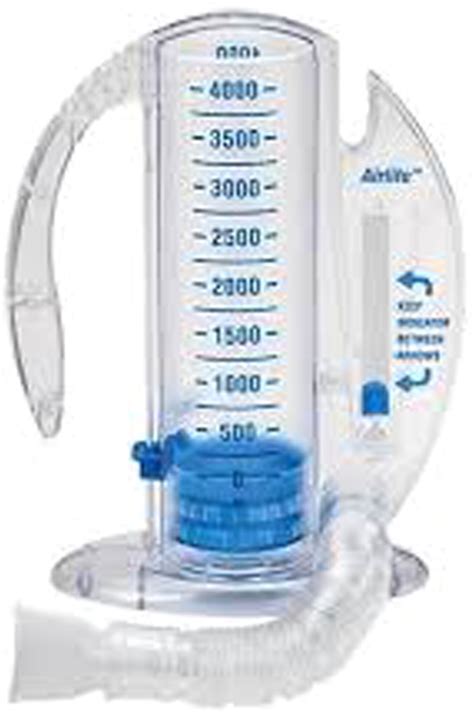
An incentive spirometer is essentially a medical device that measures the volume of air inhaled and exhaled by the lungs. It provides visual feedback to patients, motivating them to achieve and surpass their target lung volumes. This feedback is crucial as it gives patients a clear, tangible goal to work towards during their respiratory exercises. The device is particularly useful because it makes the somewhat abstract concept of breathing volume more concrete, allowing patients to see the direct impact of their efforts.
How It Works
The operation of an incentive spirometer is straightforward yet effective. Patients inhale through the device, which displays a graphical representation or meter that indicates the volume of air inhaled. The goal is to inhale slowly and deeply enough to reach or exceed a predetermined target volume. This process encourages deep, controlled breathing, which is essential for maximizing lung expansion and gas exchange. By repeating these exercises regularly, patients can gradually improve their lung function, increase their vital capacity, and strengthen their diaphragm and other respiratory muscles.
Benefits of Using an Incentive Spirometer
Improved Lung Expansion: Regular use of an incentive spirometer helps in preventing the collapse of lung tissue (atelectasis) by encouraging deep breathing, which is crucial for keeping the alveoli (air sacs) open.
Increased Oxygenation: By promoting deeper, more effective breathing, incentive spirometers help increase the amount of oxygen available to the body’s tissues, which is vital for recovery and overall health.
Strengthening Respiratory Muscles: The consistent effort required to reach target volumes helps in strengthening the diaphragm and accessory respiratory muscles, improving the efficiency of breathing.
Prevention of Complications: Especially in post-surgical patients, the use of an incentive spirometer can significantly reduce the risk of developing respiratory complications such as pneumonia by ensuring that the lungs are fully expanded and functioning properly.
Enhanced Recovery: For individuals recovering from lung surgery, pneumonia, or other respiratory conditions, using an incentive spirometer as part of a rehabilitation plan can lead to faster recovery times and improved long-term lung health.
Implementing Incentive Spirometry in Daily Life
Incorporating an incentive spirometer into a daily routine can be simple and beneficial. Here are a few tips:
- Set Realistic Goals: Start with achievable targets and gradually increase them as lung function improves.
- Practice Regularly: Aim for several practice sessions throughout the day to maintain consistency and see noticeable improvements.
- Combine with Other Exercises: Incorporate the spirometer into a broader pulmonary rehabilitation program that includes other breathing exercises and physical activity to maximize benefits.
- Monitor Progress: Keep track of improvements in lung volume and overall breathing capacity to stay motivated.
Conclusion
The incentive spirometer is a valuable tool for anyone seeking to improve their lung function, whether as part of a rehabilitation program or as a proactive measure to enhance respiratory health. By providing a clear, measurable goal for breathing exercises, it motivates patients to work towards better lung health, contributing to a faster recovery from respiratory issues and a reduction in the risk of future complications. As with any medical device, it’s essential to follow the guidance of a healthcare professional to ensure that the spirometer is used effectively and safely.
What is the primary purpose of an incentive spirometer?
+The primary purpose of an incentive spirometer is to encourage patients to take deep, sustained breaths, helping to strengthen the lungs, increase oxygen intake, and prevent respiratory complications.
How does an incentive spirometer help in improving lung function?
+An incentive spirometer improves lung function by encouraging deep breathing, which helps in preventing lung tissue collapse, increasing oxygenation, strengthening respiratory muscles, and reducing the risk of respiratory complications.
Who can benefit from using an incentive spirometer?
+Individuals recovering from surgery, suffering from chronic respiratory conditions, or looking to enhance their overall pulmonary well-being can benefit from using an incentive spirometer.
By embracing the use of an incentive spirometer and incorporating it into a comprehensive approach to respiratory health, individuals can take proactive steps towards improving their lung function, enhancing their overall quality of life, and minimizing the risk of future respiratory issues.